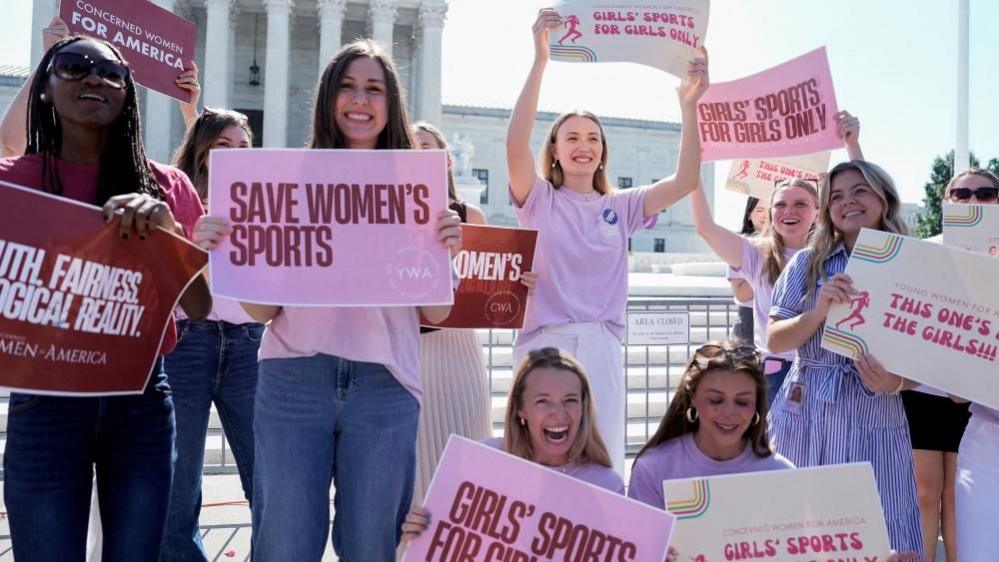
Supreme Court Upgrades Bans on Trans Women’s Sports Participation
In a 5‑5 decision that mirrored the state’s own split opinions, the U.S. Supreme Court ruled that Idaho and West Virginia can legally bar transgender women from competing in female school and college sports teams.
The two cases began when transgender athletes lodged lawsuits after lawmakers enacted bans that tied eligibility to the sex marked at birth. In Idaho, long‑distance runner Lindsay Hecox challenged a law that would have excluded her from her high school track team. In West Virginia, 16‑year‑old Becky Pepper‑Jackson filed a similar challenge in her high‑school division.
Justice Brett Kavanaugh, who drafted the majority opinion, wrote: "The Constitution and Title IX do not require an overhaul of women’s and girls’ sports throughout America," underscoring that the laws do not violate civil‑rights statutes. The ruling, however, split the Court, with six conservatives supporting the ban and three liberals dissenting.
Justice Sonia Sotomayor highlighted a "diminished view of equal protection" in her partial dissent, arguing that the restrictions limited athletes’ chances to compete based on sex rather than any legal constitutional fault.
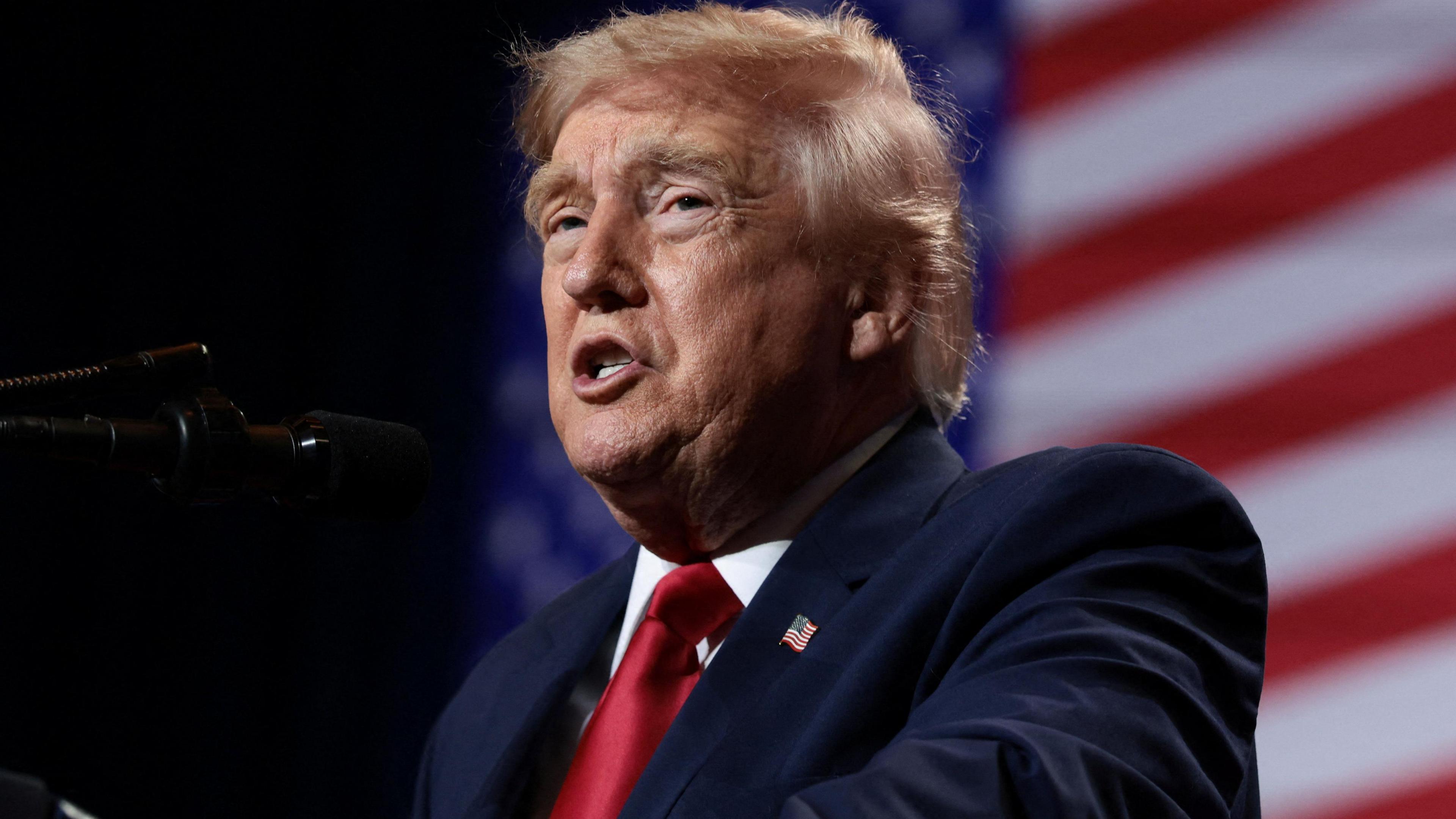
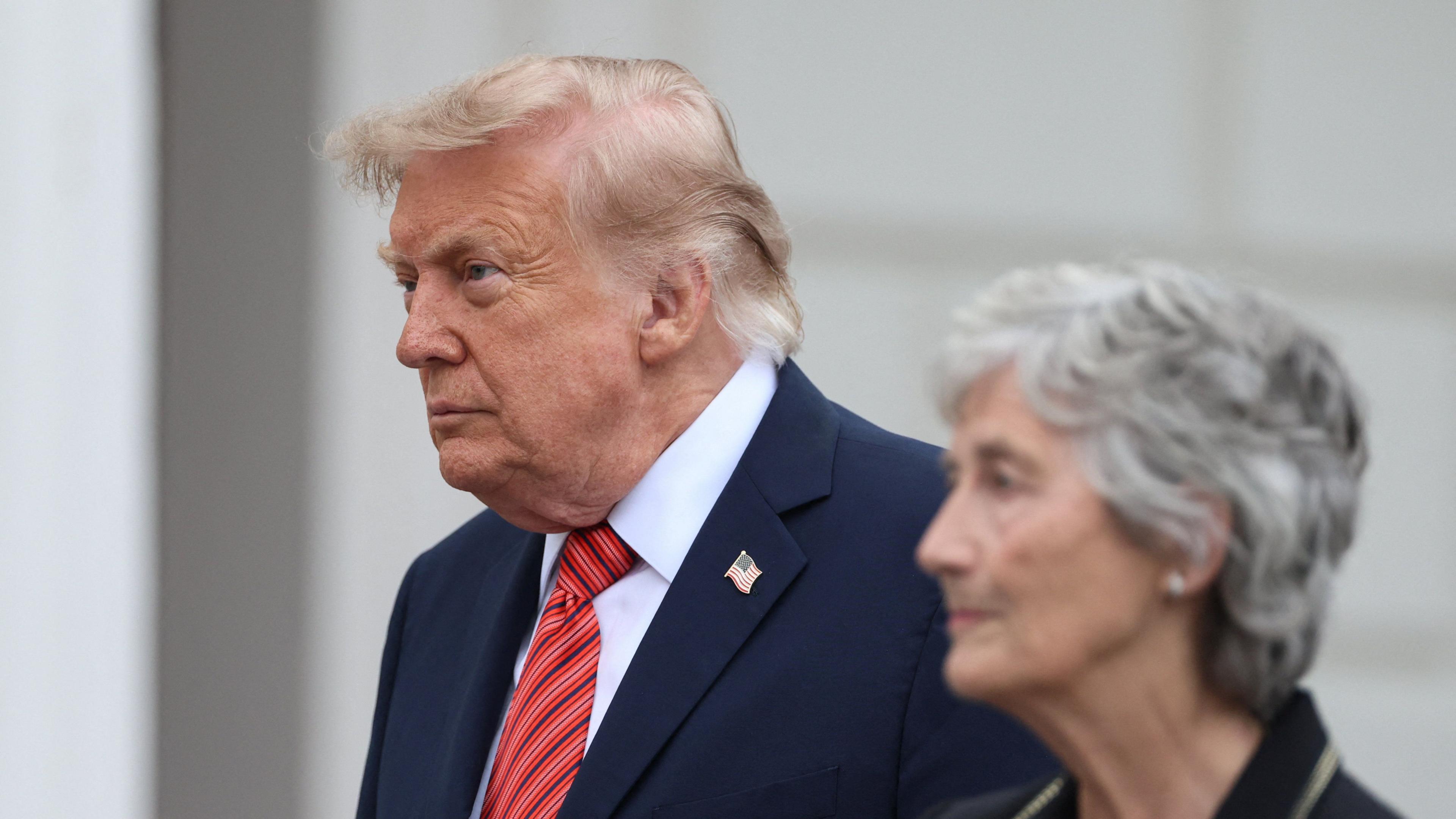
Political echoes filled the national conversation. Former President Donald Trump celebrated the decision in a social media post, calling it a "BIG WIN". First Lady Melania Trump echoed the sentiment in a lengthy tweet, stating she supports the rights of the LGBTQIA+ community while also defending opportunities for female athletes.
The Human Rights Campaign (HRC), a leading LGBT advocacy organization, criticized the ruling. HRC president Kelley Robinson described it as “heartbreaking for transgender student athletes who are being forced to sit on the sidelines simply for who they are.”
A broader context remains: the International Olympic Committee (IOC) has recently withdrawn the women's category in certain sports to match only biological females, stating a "clear consensus" that male physiology can provide a performance advantage in strength‑based events. Critics argue whether these policies truly protect fairness or simply discriminate against transgender people.
For the future, the ruling may influence how state governments craft sports eligibility policies, and how governing bodies like the NCAA, which already banned transgender women from women’s teams, adapt their rules to comply with the Supreme Court’s direction.