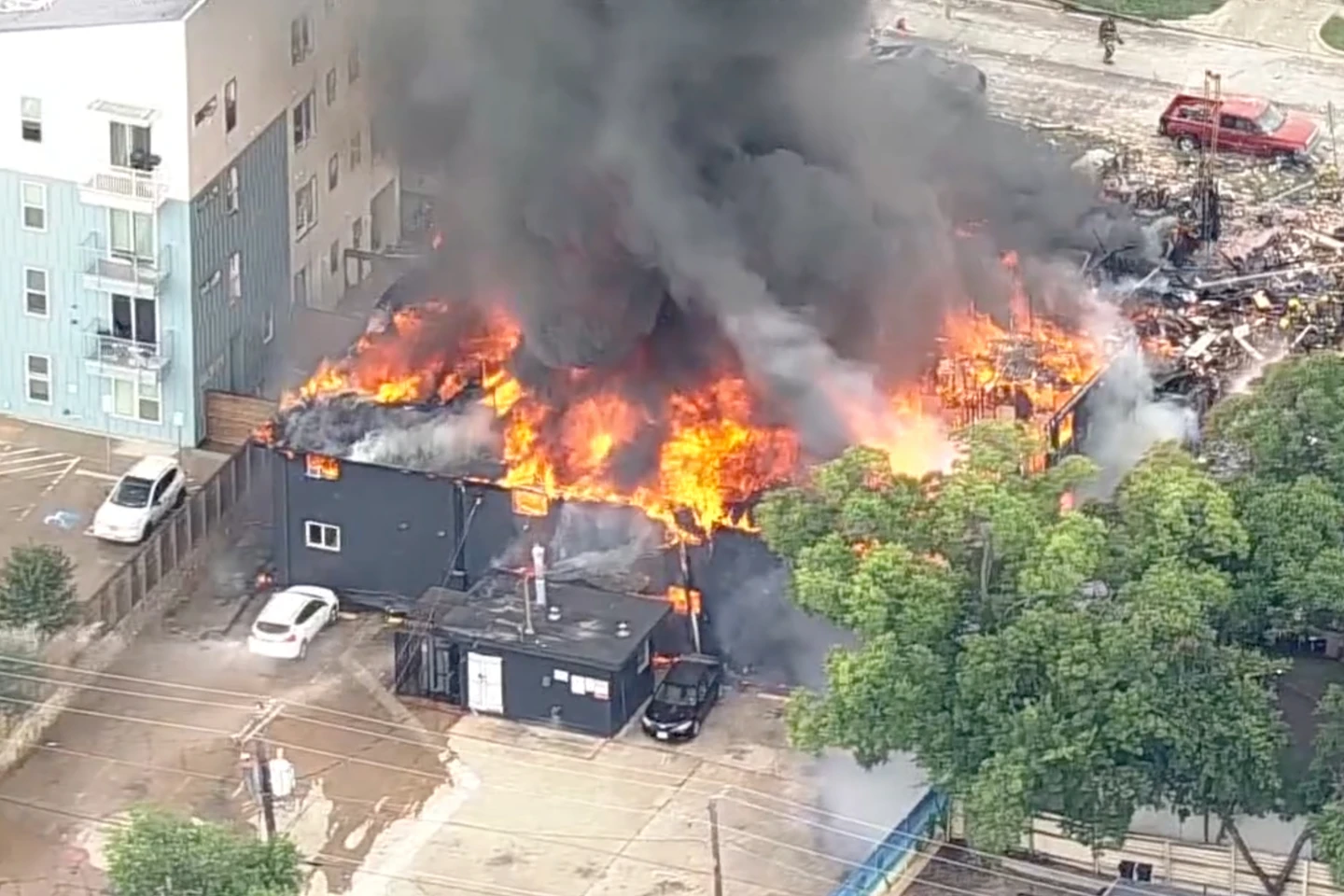
In the wake of the devastating fire at a bar in Crans-Montana, many Swiss citizens are asking themselves if their political system is fit for purpose.
Switzerland, often praised for its efficiency, has a very devolved system of government, in which villages and towns are run by local officials elected from and by the community.
It is a system the Swiss cherish, because they believe it ensures accountability.
But there are inherent weaknesses: hypothetically, the official approving a bar license or passing a fire-safety check is the friend, neighbour, or maybe even cousin of the bar owner.
When the news of the fire emerged on New Year's Eve, first there was shock. Such devastating fires are not, people thought, supposed to happen in Switzerland. Then there was grief - 40 young people lost their lives, 116 were injured, many of them very seriously. Questions followed - what caused such a catastrophe?
This week, fury boiled over when Crans-Montana's Mayor, Nicolas Feraud, revealed that Le Constellation bar had not been inspected since 2019.
Crans-Montana is in the Swiss canton of Valais, where fire-safety inspections are the responsibility of Mayor Feraud and his colleagues, and they are supposed to happen every 12 months.
Not only had the checks not taken place, the mayor said, he had only become aware of this after the fire. Of 128 bars and restaurants in Crans-Montana, only 40 had been inspected in the past year.
This was echoed by Romy Biner, the mayor of neighboring upmarket resort Zermatt, who informed local media that many communities in Valais lacked the resources to conduct necessary inspections, a point that did not sit well with many Swiss citizens.
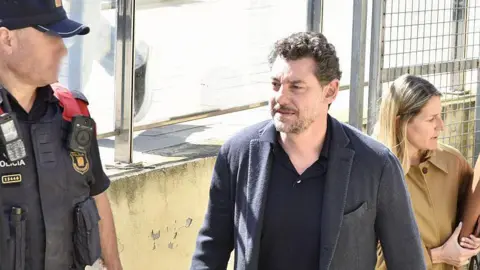
During a press conference, Feraud faced pointed questions from Swiss journalists regarding his relationship with the bar owners and whether corruption could have played a role in the oversight.
“Absolutely not,” he asserted indignantly when asked about corruption.
The mother of two brothers who survived the fire also had questions, emphasizing the need for transparent answers.
As public outcry continued, many demanded Mayor Feraud’s resignation, highlighting a broader dissatisfaction with the safety oversight from local authorities that many believe has failed them.
The stakes of this incident extend beyond local disappointment; they threaten Switzerland’s well-earned reputation for safety, stability, and accountability.
The Swiss authorities are under pressure to deliver answers swiftly. A memorial service has been promised that includes a “strict and independent” investigation to determine accountability within the local government.
Choices made in the aftermath of this catastrophe, such as calling for fire-safety inspections to be managed at a cantonal level instead of local councils, reflect a significant shift in how safety and accountability may be enforced in the future.
A nation that touts its emergency services response now questions the effectiveness of its fire safety protocols as grief transforms into anger.