In brief
With Syria's economy in shambles after years of civil war, experts emphasize that easing sanctions is crucial for rebuilding efforts under the newly formed rebel coalition.
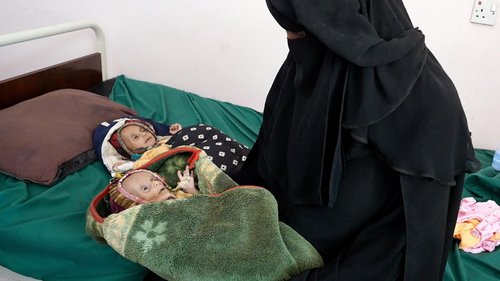
After the swift collapse of Bashar al-Assad’s regime, Syria finds itself facing an uphill battle to revive its shattered economy following nearly 14 years of intense civil war and systemic oppression. The state of the nation is dire, as significant portions of the energy sector, infrastructure, and agricultural lands lie in ruins, resulting in an alarming 90% of the population living in severe poverty.The Syrian pound has experienced a drastic decline, and the central bank’s foreign currency reserves are nearly exhausted, affecting the nation's ability to import vital goods such as food and fuel. Previously a major player in the oil export market, now only a small portion of the economy remains functional, with illegal substances like captagon becoming the primary source of revenue, a reflection of the ongoing chaos under a regime once dominated by oil and agricultural production.In light of these catastrophic circumstances, experts, including Syrian economist Samir Aita, acknowledge that the entire economic system has disintegrated. Ahmed al-Shara, the newly appointed leader of the rebel coalition gaining ground in Syria, faces immense challenges—including uniting disparate factions, reestablishing governmental authority, providing security, and ensuring basic services.Amid these rebuilding efforts, experts agree that the most critical action must come from the United States: the lifting of stringent sanctions that have isolated Syria from global trade and investment opportunities. Without this step, any potential for economic recovery remains bleak, underscoring the urgent need for international cooperation in the aftermath of a long-standing conflict.