In brief
A nearly complete Tyrannosaurus rex named Gus is set to auction at Sotheby’s with a $30m reserve, potentially becoming the most expensive fossil ever sold. While wealthy collectors bid, scientists fear losing invaluable specimens to private hands that may hinder research. Experts argue that museums need such fossils for study and public engagement, but auction houses boost preservation by extracting fragile bones from harsh environments. The debate highlights the tension between commercial value and the scientific duty to preserve ancient life for future generations. The outcome could shape how future dinosaur fossils are handled worldwide.
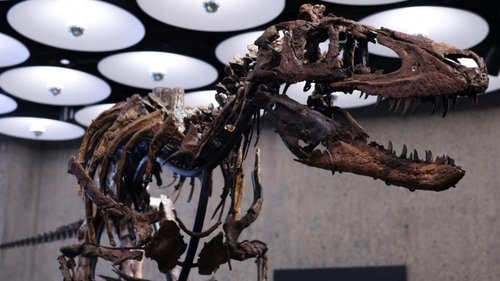
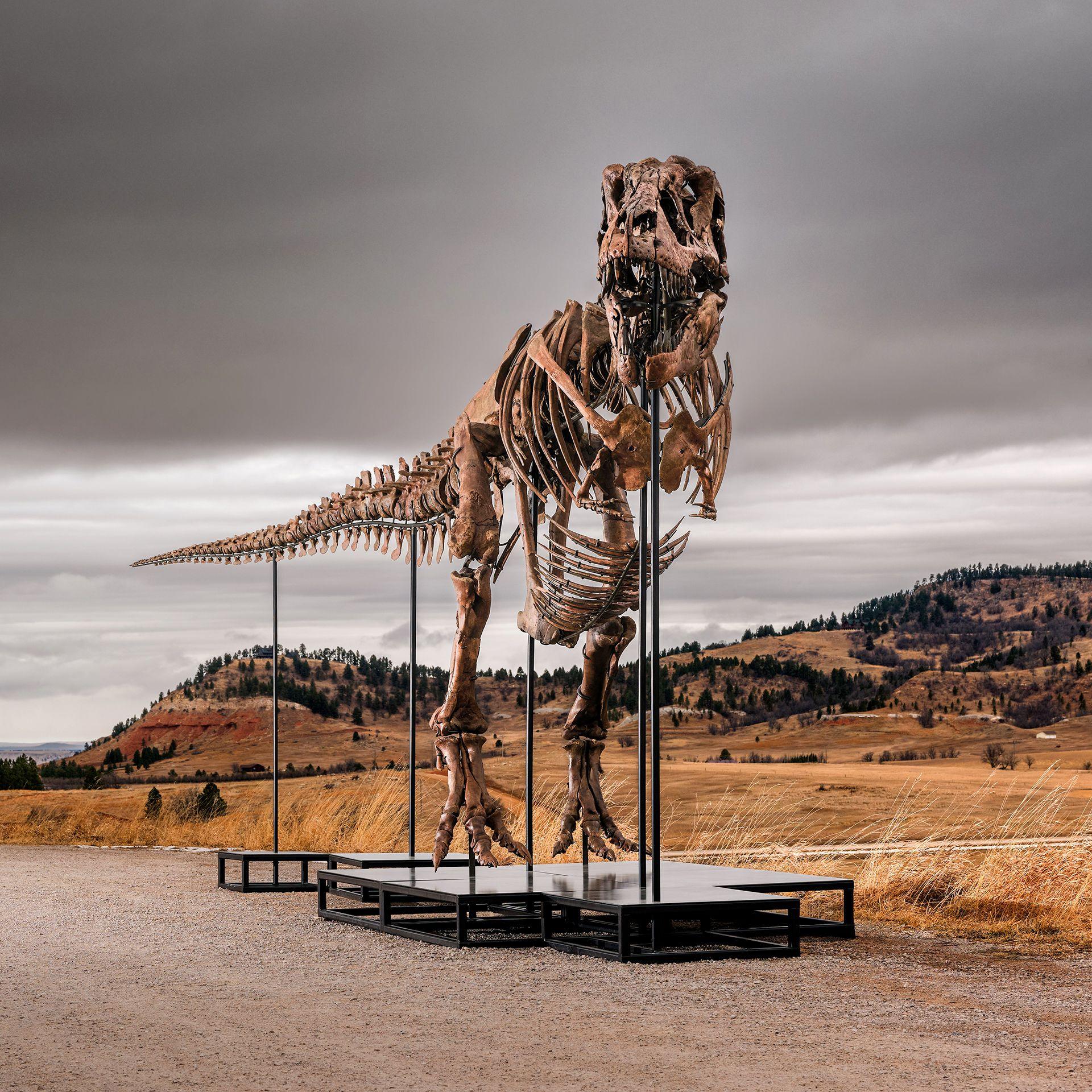
On Tuesday, Sotheby’s will auction one of the most complete Tyrannosaurus rex skeletons ever discovered, the 67‑million‑year‑old ‘Gus’.
So far the specimen has been valued at about $30 million before the sale, a figure that could catapult it beyond the current record of $44.6 million held by a Stegosaurus named Apex.
Gus was unearthed in South Dakota’s Badlands 20 years ago, a monumental effort that involved three years of careful digging and an additional three years of restoration in the lab. For the scientists who recovered it, the fossil is not only an exciting find but also a vital source of data that could help answer questions about dinosaur behaviour and biology.
“Scientific research depends on having the real bone, on being able to re‑examine it,” said Prof. Susannah Maidment of the Natural History Museum. She warned that private collectors often keep specimens out of reach for peer review, which can ultimately damage the scientific record.
Cassandra Hatton, head of natural‑history sales at Sotheby’s, defended the auction by noting the time, risk and cost involved in extracting fragile dinosaur fossils from their native peaty soil. She argued that a high price “reflects the value” of saving these bones from deterioration.
The debate is part of a broader conversation about ownership of prehistoric artifacts. While museums have historically relied on donations from wealthy patrons, the scientific community stresses that open access to fossils is necessary for the long‑term study of life’s past.
Should the auction succeed, the record price could highlight the lucrative market for dinosaur fossils—an irony for a field that has always depended on the very people who can afford to pay thousands of dollars for a piece of Earth's history.
The auction is scheduled to start publicly at $19 million, making it unwieldy for many national museums whose budgets rarely reach that threshold. The conversation then turns to the ethics of selling the fossil rather than placing it in a public institution.