In brief
Violence erupted in Bangladesh after the killing of Dipu Chandra Das, a Hindu garment worker, accused of blasphemy, which has led to protests in India and heightened tensions between the two nations. Both countries have accused each other of failing to secure diplomatic missions amid escalating anti-India sentiments, while significant political challenges loom ahead as Bangladesh prepares for upcoming elections.
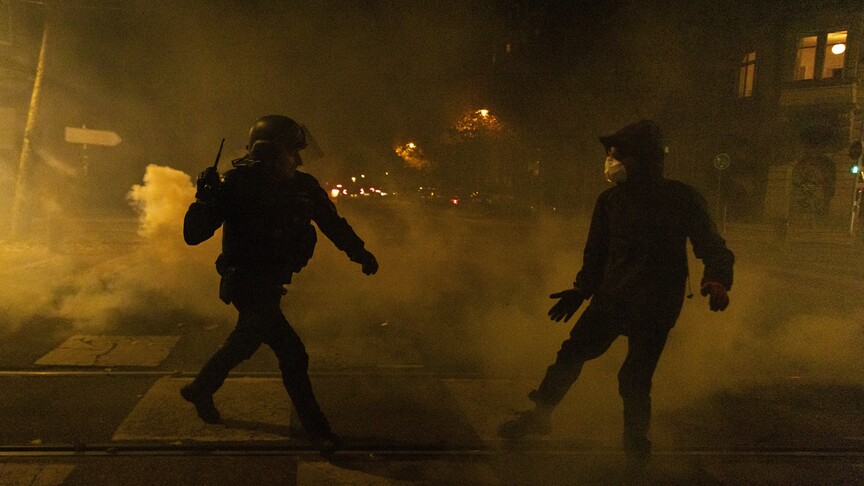
The killing of a Hindu man during recent violent protests in Bangladesh has pushed already strained ties between Dhaka and Delhi into a deeper crisis.
As the two neighbours accuse each other of destabilising relations, questions are growing over whether their once close, time-tested relationship is fraying beyond repair.
In India, the episode has sparked protests by Hindu nationalist groups. The man who was killed - Dipu Chandra Das, 27 - a member of Bangladesh's Hindu minority, was accused of blasphemy and beaten to death by a mob last week in Mymensingh, in northern Bangladesh.
The incident happened as violent protests broke out over the murder of Sharif Osman Hadi, a prominent student leader, in the capital, Dhaka.
Hadi's supporters alleged that the main suspect, who they say is linked to the Awami League - the party of deposed prime minister Sheikh Hasina - had fled to India, further fuelling anti-India sentiment in Muslim-majority Bangladesh. Bangladeshi police, however, said there was no confirmation that the suspect had left the country.
In recent days, the South Asian neighbours have suspended visa services in several cities, including Delhi, and accused each other of failing to ensure adequate security for their diplomatic missions.
The two countries have also summoned each other's high commissioners to raise their security concerns.
I sincerely hope tensions don't escalate further on both sides, Riva Ganguly Das, a former Indian high commissioner to Dhaka, told the BBC, adding that the volatile situation in Bangladesh made it difficult to predict which way things would go.
Protests erupted in India over the killing of a Hindu garment worker in Bangladesh
Anti-India sentiment in Bangladesh is not new. A section of Bangladeshis has always resented what they see as India's overbearing influence on their country, especially during Hasina's 15-year rule before she was deposed in an uprising last year.
The anger has grown since Hasina took refuge in India as the interim government struggles to maintain law and order amid the political turmoil.
Many in Bangladesh suspect Islamist radicals to be part of the mob that vandalised and set fire to the buildings of two Bangladesh dailies - The Daily Star and Prothom Alo - accusing them of being pro-India. Civil society activists in Bangladesh have criticised the interim administration for failing to stop the recent violence.
In the aftermath of Hadi's killing and the subsequent violence, experts are emphasizing the need for all parties to de-escalate tensions to prevent further deterioration of relations, with both countries facing significant internal and external challenges.