
In brief
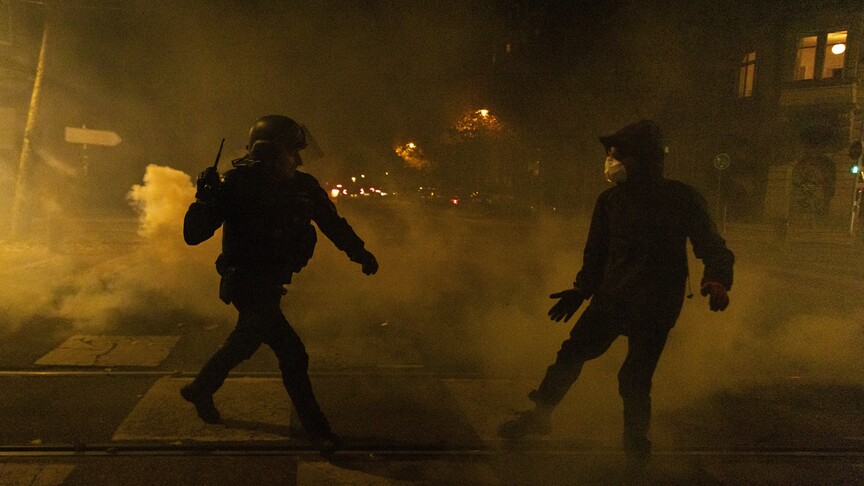
On 7 November 2026, Interior Minister Laurent Nunez announced the deployment of 70,000 police officers and gendarmes across France as a wave of demonstrations threatens public order. The mobilization includes mobile units, armored vehicles, water cannon, helicopters and drones, and orders banning gatherings in certain city centres. While authorities pledge protection for peaceful protestors, they warn of a firm response against rioters and looters. The move follows large‑scale protests earlier in the month, including 575,000 participants across 193 events, and highlights tensions between student activism, the Yellow Vest movement, and state authority.
On 7 November 2026, France assembled 70,000 police officers and gendarmes nationwide in preparation for a surge of demonstrations, Interior Minister Laurent Nunez warned that unchecked gatherings could result in violence, blockades and property damage. The security buildup came after a wave of student‑led protests and a regrouped Yellow Vests movement, prompting the government to impose bans on rallies in key city centres and to instruct organisers of authorised protests to follow alternative routes.
The ministry’s statement detailed a force of 110 mobile units, 25 Centaur‑armoured vehicles, water cannon, helicopters and drones. Police will also patrol roads, railway lines and train stations to seize weapons or other dangerous objects that protesters might use. According to the statement, the operation aims to protect peaceful demonstrations while the state retains a “firm response” against those who incite violence or looted property.
In a brief speech, the interior minister said:
If there are any rioters or looters, we will act decisively to protect the public and restore order. Those who turn the streets into scenes of violence will be arrested.
Laurent Nunez added that many calls for demonstrations are being organized without formal leadership or union oversight, with some groups using social media to encourage disorder. By issuing cancellation orders in central districts, the government intends to minimise clashes while allowing planned protests to proceed under regulated conditions. Organisers of declared events have been asked to divert participants to less congested routes, a measure that authorities say will keep roads clear and reduce disruptions to commuters.
Earlier in the month, student mobilisations had already spread across France, with demonstrators blocking schools and raising concerns about educational conditions and resource shortages. The protests culminated on the national day of action on 5 November, when the Interior Ministry reported 575,000 participants at 193 public gatherings nationwide—including 65,000 demonstrators in Paris.
In Paris, the student protests were set to occupy the space between Place de la République and Place de la Nation, while the Yellow Vests movement planned a gathering at Place de la Concorde. Both demonstrations drew in thousands of people, and authorities warned that the scale could outpace local police capacities without the additional national deployment.
The deployment of so many officers also raises questions about civil liberties and democratic accountability. While the government claims it is safeguarding the right to peaceful protest, critics argue that large‑scale bans and the presence of armed forces could intimidate legitimate dissent and chill civil discourse. Parliamentary oversight will likely examine the use of force and the proportionality of the measures, especially in light of France’s constitutional guarantee of free assembly.
Policemen and gendarmes will inspect trains and stops to confiscate weapons; the ministry also emphasised that vehicles equipped with thick armour and water cannon will be stationed near high‑traffic choke points. The use of drones and helicopters suggests an emphasis on broadcast oversight and real‑time monitoring, a tool that could be perceived as both a deterrent and a tool of surveillance.
For ordinary citizens, the heavy security presence means altered routes to schools, shifts in public transport schedules, and heightened police visibility in city centres. Teachers and students in affected regions have already reported increased security checkpoints and a sense of unease when returning to classrooms. Meanwhile, the influx of security personnel is expected to impact emergency services, as resources are reallocated to crowd control.
The decision to deploy 70,000 officers reflects the government’s assessment of significant potential for violence and property damage. By explicitly naming the risk of “thugs and looters,” authorities underscore a willingness to use force, which the public and civil‑rights groups will scrutinise. How the police handle the protests—whether they arrest only violent disruptors or also suppress broader dissent—will test France’s commitment to democratic principles amid a period of social unrest.
As the protests unfold and the security teams mobilize, observers will monitor how the measures affect the right to protest, the functioning of public transport, and the broader climate of civic engagement. The coming days will reveal whether the government’s strategy succeeds in preventing violence while preserving democratic freedoms or whether it will deepen divisions and lead to calls for legal reform and greater accountability.


