As the sun rises over our towns, once it would have been customary to grab the morning newspaper, filled with local news, sports scores, and tantalizing comic strips. For many, the local print edition was more than just information; it was a connection to one’s community, a source of pride when one’s accomplishments were featured, and even a means to bond with family members over shared interests.
However, with a stark transition affecting the newspaper industry, the Montana Standard has cut print publication down to three days a week, emblematic of a trend that has seen roughly 1,200 papers shutter over the past two decades. The impact of this gradual deterioration is profound, influencing not only how we consume news but altering the tangible rituals of daily life.
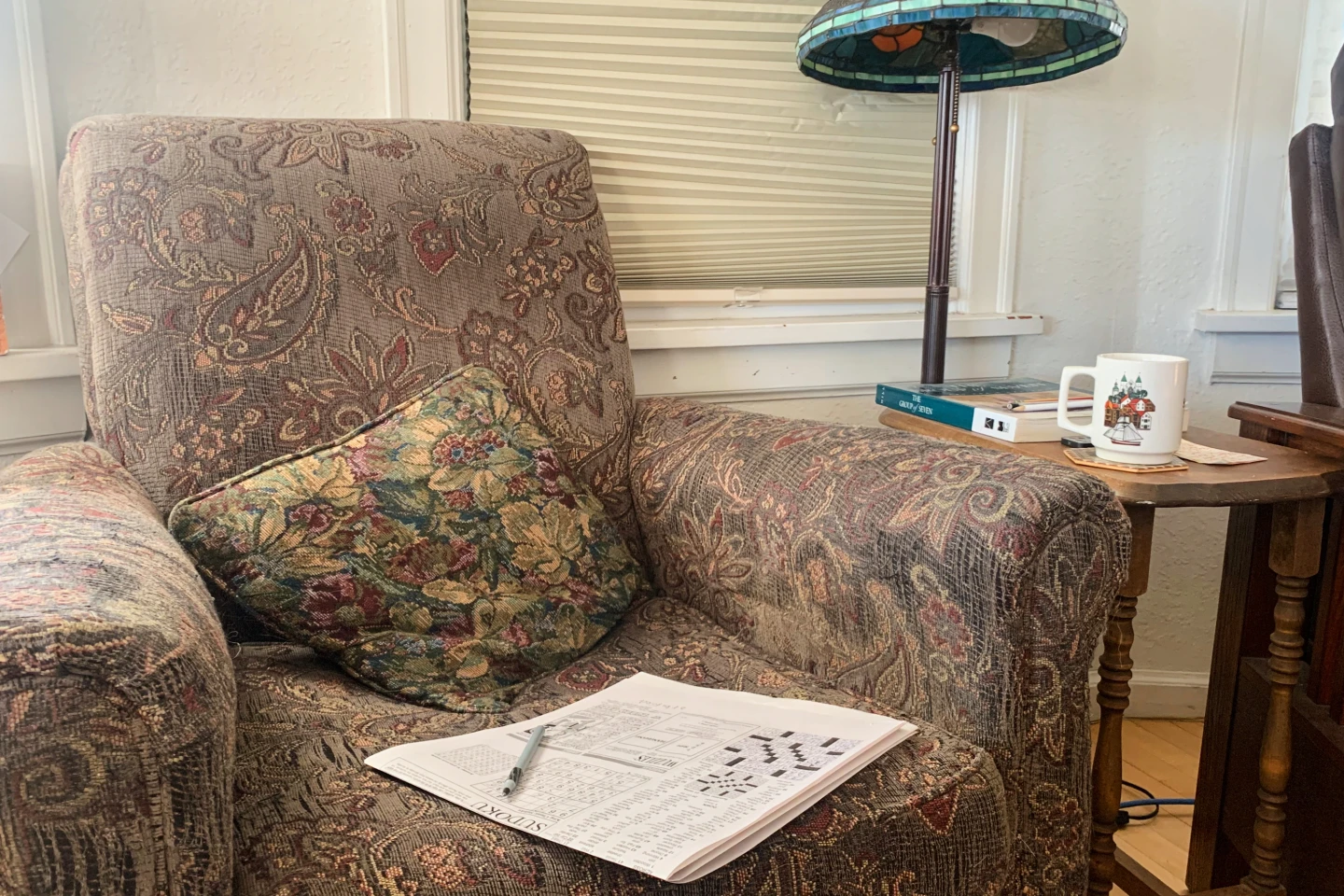
Diane DeBlois, co-founder of the Ephemera Society of America, reminisces about the myriad uses of newspapers—wrapping gifts, lining pet cages, and serving as biodegradable fire starters. As she points out, the physicality of printed newspapers provided a material presence in our homes that is now fading into digital oblivion.
The decline of the printed paper is intertwined with the evolution of American democracy and community engagement. Many argue that the changes are detrimental, depriving citizens of a shared source of information and a communal experience that shaped their understanding of the world.
Nick Mathews, a journalism professor, recalls how newspapers were cherished keepsakes in his youth, with families treasuring editions that documented sporting victories. Now, as communities witness the closure of their local papers, the disconnect is palpable, with voices of nostalgia echoing through interviews of residents reflecting on their local publications.
Moreover, the broader societal implications are significant. With children growing up amid digital devices, the serendipitous discovery of news—a staple from earlier generations—is vanishing. The differences in media consumption habits could reshape societal norms, attention spans, and communal discourse.
As digital takes precedence, we might grapple not only with the loss of print but also with what it signifies for human interaction, democracy, and shared culture. The journey forward must recognize the value of both old and new avenues for story-sharing, with an awareness of the losses incurred along the way.