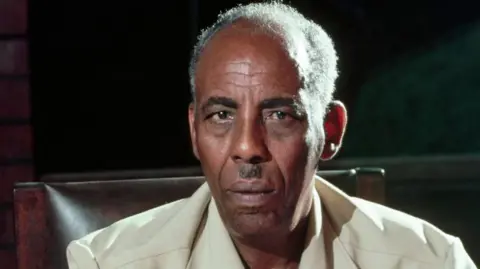
Exactly 31 years ago to the day, two Kenyan pilots, Hussein Mohamed Anshuur and Mohamed Adan, received an unexpected visitor at their office at Wilson Airport near Nairobi. It was a Nigerian diplomat, who drew them into a sensitive and secretive mission to fly the body of Somalia's former ruler, Siad Barre, back to his homeland for burial following his death in exile in Nigeria at the age of 80.
Anshuur, a former captain in the Kenyan Air Force, and Adan are partners in Bluebird Aviation, one of Kenya's largest private airlines. Speaking to the media for the first time about the mission, Anshuur revealed that the Nigerian diplomat came directly to the point, requesting them to charter an aircraft to secretly transport Barre's body from Lagos to Garbaharey in southern Somalia, a distance of about 4,300 km (2,700 miles).
Barre had fled Somalia on January 28, 1991, after a militia overthrow, making his return politically fraught and laden with diplomatic risks. The pilots debated for a day whether to undertake the request, weighing the potential repercussions against the compelling financial offer. The mission was shrouded in secrecy, necessary to avoid complications with the Kenyan government.
The mission was a culmination of historical connections, as the pilots had previously provided aid to Barre's family during their time in exile. Understanding the urgency dictated by Islamic traditions for a timely burial, they agreed to proceed, ensuring that they wouldn’t disclose the nature of the flight at any stop along the way.
On January 11, 1995, their Beechcraft King Air B200 plane took off from Nairobi, filing a misleading flight manifest to divert attention. They successfully navigated through multiple countries, maintaining secrecy even as they faced constant risks from regulatory systems that could have halted their mission.
Upon returning the body to Somalia and attending the burial, Anshuur reflected on the experience as the most stressful part of the operation. Ultimately, they returned to Kenya without incident, and the emotional weight of their undertaking hit them later.
At 65 years old now, Anshuur expresses cautiousness about engaging in similar operations today, citing advancements in aviation technology and air traffic control that would make such secretive missions far more difficult.