In brief
Former NBA star Enes Kanter Freedom announced his intention to enter the 2026 WNBA draft, highlighting a gap in the league’s eligibility rules for transgender women. His claim was fueled by comments from WNBA player Sophie Cunningham, who criticized the inclusion of transgender athletes as a threat to “protect young girls.” The WNBA’s collective bargaining agreement states only women are eligible, but its vague language has led to calls for clearer guidelines. The league’s commissioner has pledged to address the issue thoughtfully, while the players’ association condemns hate and calls for inclusive policies. The debate now stretches beyond basketball, touching on broader sports regulations and political rhetoric across the United States.
The 2026 WNBA draft has become a flashpoint for a debate that spans politics, gender politics and sporting fairness. The spark was set when former NBA guard Enes Kanter Freedom declared he would enter the draft, citing an ambiguous rule on transgender women’s eligibility. Freedom, who finished his career with the Boston Celtics in 2022, tweeted that if declaring one’s identity is sufficient, then he meets all league standards.
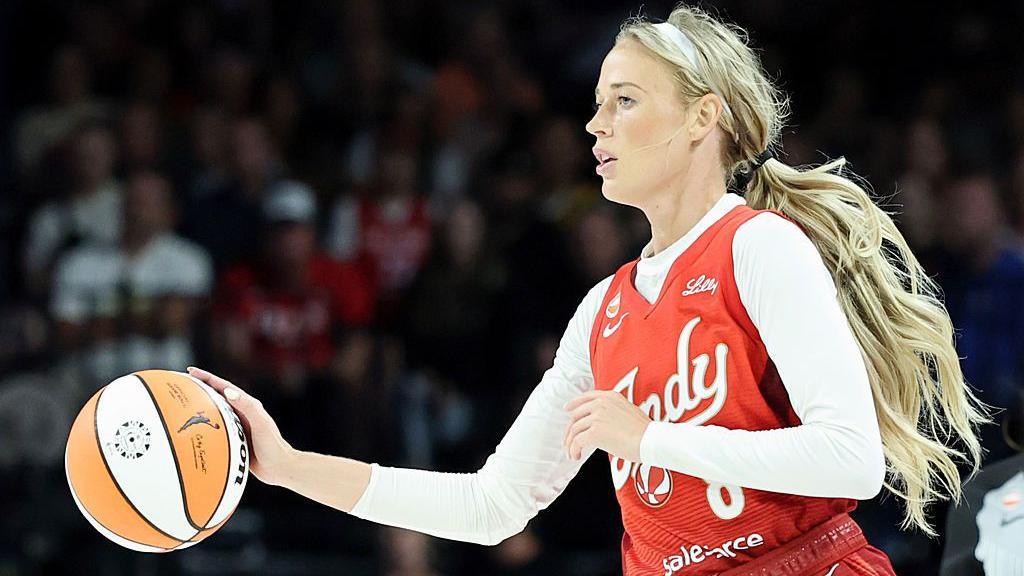
His move follows a statement by WNBA guard Sophie Cunningham of the Indiana Fever. In an ESPN interview, Cunningham said she wanted to ‘protect young girls’ from having to compete against ‘biological men,’ a remark that quickly drew support from some politicians and fierce criticism from others.
The WNBA’s Collective Bargaining Agreement (CBA) states that only players who are women are eligible to play in the league. It does not elaborate on how transgender identity is verified. Because of this silence, players and officials are calling for more explicit guidelines.
League commissioner Cathy Engelbert sent a memo to team presidents last week, promising that the issue would be discussed in a dedicated meeting. Engelbert said the league would approach the topic “thoughtfully, respectfully and in alignment with our longstanding values.”
At the same time, the WNBA Players Association issued a statement denouncing hate and demonisation of the transgender community, reaffirming its commitment to justice, equity, diversity and inclusion. The association urged fans to report abusive behaviour and clarified that the league would not become a political pawn.
The debate has spilled over into other arenas: Seattle’s co‑owner Celeste Keaton was suspended for confronting teenage fans who wore "Cunningham for girls" posters, and the Minnesota Lynx coach Cheryl Reeve publicly defended transgender inclusion.
The national conversation punctures a larger trend in sports. Other bodies—such as Athletics, Cycling and Aquatics—have begun to ban transgender women from women’s categories. The International Olympic Committee plans to restrict participation from LA 2028, potentially excluding those who have undergone male puberty.
In the United States, a Trump‑era executive order forbids transgender girls from college‑level women’s sports, but it does not apply to professional leagues.
As of now, no openly transgender woman is set to play in the WNBA. Yet the arrivals of Freedom, and the subsequent declarations by other former athletes, suggest that the league’s eligibility policy demands urgent clarification.
For further coverage, watch the WNBA’s response at the upcoming meeting, and follow debates on social media as fans and pundits weigh in at every turn.