In brief
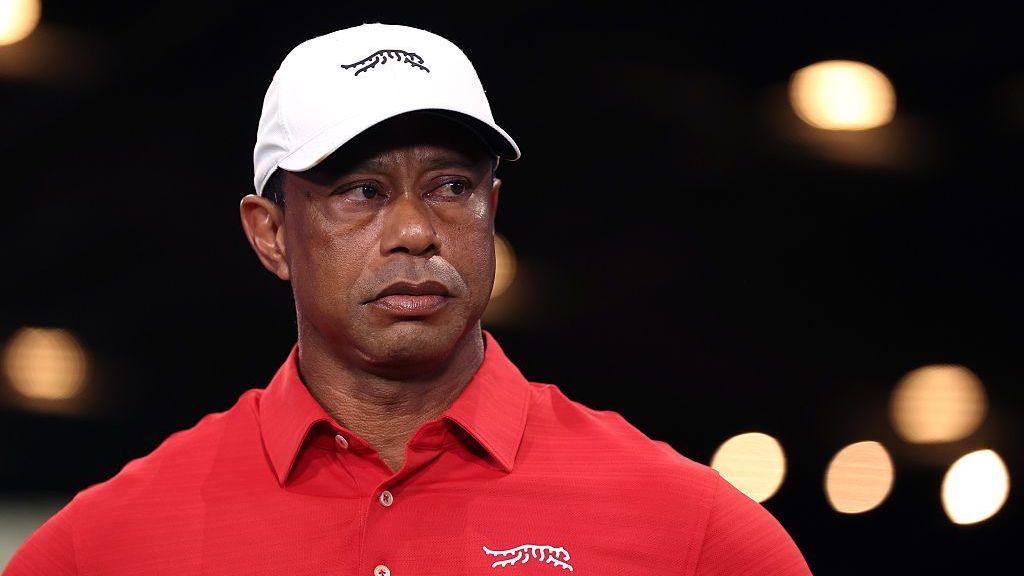
Five months after being arrested in Florida for driving under the influence, Tiger Woods is preparing to change his plea in court. The ex‑world champion was caught on police body‑camera footage as his car clipped a truck and rolled over, though he passed a breath‑alyser test and declined a drug screening. Authorities later found hydrocodone pills in his pocket, and Woods has announced a period of treatment amid a second DUI arrest. The case remains in the early stages, with prosecutors and the lawyer yet to confirm the new plea.
Tiger Woods is to change his plea in court five months after his arrest in Florida for driving under the influence
Court records show the change‑of‑plea hearing set for Wednesday morning in Martin County, Florida. Woods was arrested after a March crash in which his car clipped a truck and rolled over. He passed a breathalyser test but refused a urinalysis for other drugs.
In March, the golfer pleaded not guilty to misdemeanor charges of driving under the influence and refusal to submit to testing. He said he was seeking treatment for his condition and would step away from golf for a period.
Police released body‑camera footage in April showing the aftermath of the incident. In the video, Woods appeared calm, kneeling on one knee as he told officers, “I looked down at my phone and all of a sudden, boom.” He also stated he had not consumed alcohol that day, and mentioned taking a few prescription medications earlier that morning.
Officials suspected his faculties were impaired by an “unknown substance,” and later found two white pills in his pocket, identified as hydrocodone, an opioid used for pain relief.
Woods’ social media post after the incident read: “I know and understand the seriousness of the situation I find myself in today. I am stepping away for a period of time to seek treatment and focus on my health. This is necessary in order for me to prioritise my wellbeing and work toward lasting recovery.”
This arrest marks Woods’ second suspicion of driving under the influence. The outcome of the upcoming hearing will determine whether he maintains a not‑guilty stance or shifts to a different plea that may affect sentencing and his future career.