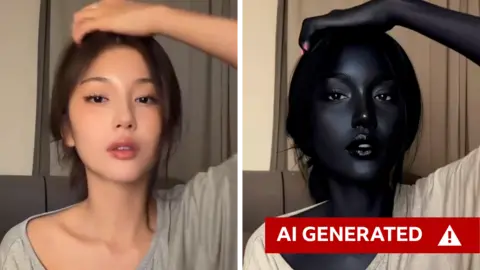
TikTok has banned 20 accounts following a BBC investigation that uncovered the exploitation of AI-generated Black female influencers, intended to drive users to explicit content.
This alarming trend has surfaced across TikTok and Instagram, raising accusations of racism and exploitation due to the racialized portrayal and tropes involved.
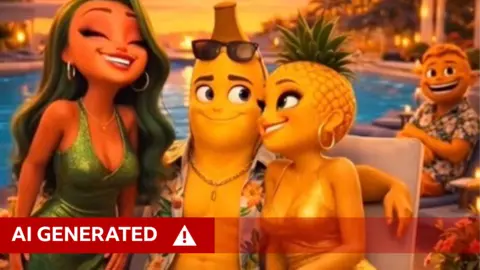
The investigation by the BBC in tandem with Riddance researchers revealed dozens of accounts using highly sexualized black female avatars, often depicting them in revealing outfits and with exaggerated physical features. The AI-generated content was not clearly labeled as such, raising concerns of a breach of platform guidelines.
Most of the identified accounts appeared on Instagram, with a third also on TikTok. Instagram's parent company Meta stated it is investigating but did not announce any actions taken against the accounts prior to the BBC inquiry.
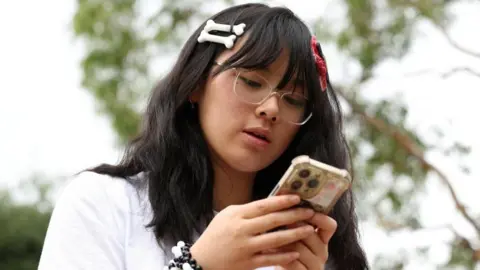
The manipulated avatars often included terminology associated with fetishization and attracted significant attention, with one reaching over 173 million views on Instagram for content that misappropriated videos from genuine content creator, Riya Ulan.
Ulan expressed her outrage, stating, I was angry... It doesn't mean that you can just take it and steal it and post it as your own. Many of the AI accounts promoted adult content, further complicating perceptions of authenticity among social media users.
With the swift removal of accounts after the investigation brought them to light, TikTok emphasized its zero-tolerance policy for content violating terms that promote sexual services using AI-generated images of individuals.
Critics argue that such actions are essential in curtailing the exploitation and misleading depictions of Black women in digital spaces, as this continues an unfortunate legacy of racial fetishization.
As the battle against AI-generated misrepresentation evolves, content creators and analysts like Jeremy Carrasco and Angel Nulani underscore the urgent need for authentic representation in media and the detrimental implications of fraudulent digital identities on real-life perceptions and interactions.