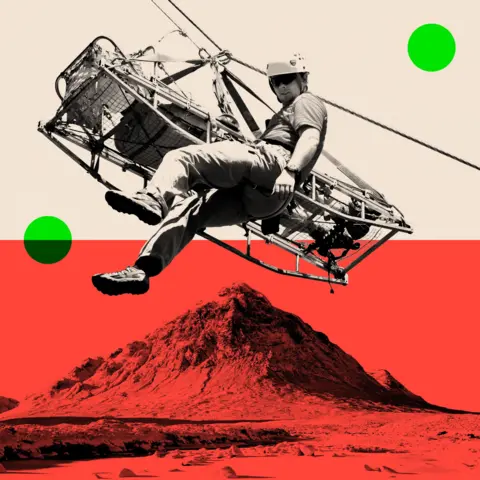
Two walkers find themselves stranded on a remote hillside as night closes in, hundreds of miles from home, after being inspired out into the wilderness by a TikTok video. It might sound like an unusual emergency - but for Mike Park, CEO of Mountain Rescue England and Wales, it's become a familiar story.
We had two people stuck on a hill at 8pm, no torches. One was in their early 20s and the other was late 30s. It was their first time on a hill. They'd travelled a long way because they'd seen a TikTok route. They set off on their walk at 2pm - too late - wearing shorts, T‑shirts and carrying only a picnic, he recalls.
They got off‑route, found themselves in unfamiliar ground – but they did the right thing by calling for help.
Park says this recent rescue, just a few days ago in the Lake District, is typical of the kind of callouts many colleagues now see. His rescue team were able to safely find the pair and walk them off the hill – but the incident perfectly captures some changing behaviours. Their situation was self-inflicted; they weren't prepared and got into trouble, yet they were also quick to call for help when they knew something was wrong.
If we hadn't reached them, they'd have been stuck all night in the dark. By morning, I'm confident they'd be suffering hypothermia - possibly unable to walk, he notes.
Over the past few years, mountain rescue teams say there's been a stark rise in the number of people needing to be rescued.
This ignites a delicate but important debate: Who is responsible for safety on our mountains? Are increased warning signs and barriers the answer? Or is risk the price we pay for adventure?
The Rise in Callouts
Mountain rescue callouts have steadily been rising for decades, with Sport England figures suggesting a particularly notable increase. The number of individuals regularly climbing hills has risen from 2.8 million in 2018 to 3.6 million in 2024.
Living an active lifestyle is estimated to save the NHS billions each year by reducing chronic conditions. However, that also leads to a sharp rise in rescues required by volunteers, the UK's fourth emergency service. In England and Wales, the number of callouts has doubled, exceeding 3,000 a year by 2024.
Key themes noted among rescue teams highlight how incidents involving younger adventurers, particularly those aged 18 to 24, have surged. Callouts for this age group almost doubled from 166 to 314 between 2019 and 2024.
Mike Park, with 40 years of experience in the Lake District, observes a significant shift in young people's outdoor enthusiasm but believes advances in technology and societal changes have contributed to the rise.
Society is more adventurous, more reliant on help, less outdoor-aware, and less prepared, he shares.
Park reflects that, years ago, many who ventured into the mountains did it as a singular pastime. Now, outdoor adventures are often casual, shared among a host of leisure activities.
While many celebrate growing interest in outdoor activities for physical and mental health benefits, novices now stretching rescue teams thin illustrates a critical balance between adventure and safety.
Online Influencers
Many rescuers believe social media influencers play a role in this increase. Platforms like TikTok and Instagram promote scenic hikes, leading people to chase these 'Instagrammable' spots without proper preparation or awareness of their risks. The rise of social media has transitioned urgent rescue cases from a rare occurrence to a norm.
People search out locations made popular by influencers to either experience the moment or create content for their platforms, says Martin McMullan from the Mourne Mountain Rescue Team, revealing concerns about rescues being filmed for social media sensationalism.
Hotspots
Though most rescue teams rarely respond to fatal incidents, certain areas have seen tragedies rise. The rescue team at Yr Wyddfa (Snowdon) is the UK’s busiest, experiencing frequent calls, and some years, alarming fatality numbers.
Efforts are discussed for possible warning signs or barriers in hazardous areas; however, many advocates prefer preserving the wilderness's natural allure over a landscape cluttered with safety signs.
'The Mountain Isn't Going Anywhere'
As new leadership approaches at Mountain Rescue England and Wales, incoming CEO Andy Buchan emphasizes the need for accessible information on safety and weather conditions for adventurers before they embark.
Buchan remains optimistic about welcoming people onto the hills, believing it enhances well-being despite the associated risks, carrying the reminder that the mountains remain there for exploration whenever the time is right.
The tragic story of Jack Carne, a young climber who died due to a freak accident, illustrates even the best-prepared adventurers must remain mindful of dangers lurking on scenic routes. His friends’ resolve to continue their mountain pursuits as a tribute to him reflects both the beauty and risks inherent in outdoor adventure.