In brief
The ongoing rebel offensive against government forces has led to severe consequences for civilians, exacerbating already critical conditions in a region grappling with war and natural disasters.
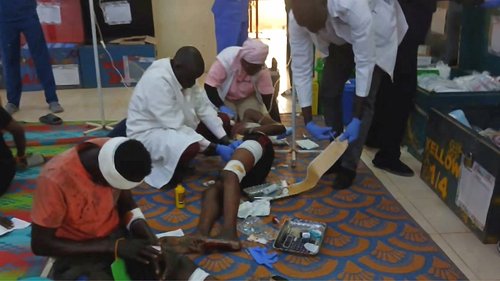
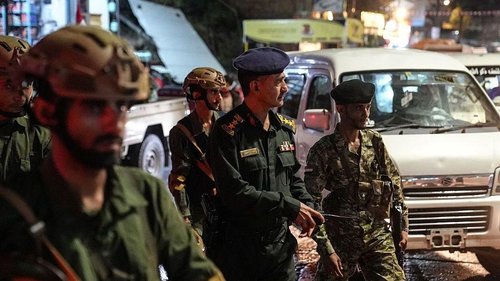
A recent upsurge in fighting in northwestern Syria has plunged the region into deeper turmoil, as pro-government forces engage in a fierce battle against rebel factions. The conflict, now seeing its bloodiest days in years, has resulted in severe humanitarian repercussions. Hospitals have become casualties of war, with airstrikes obliterating critical healthcare facilities. Over nearly 50,000 individuals have fled their homes, and critical infrastructure has been devastated, leaving many without access to vital resources.Reports indicate that Syrian and Russian air forces have intensified their bombardment in the Idlib and Aleppo regions, targeting both civilian areas and strategic points vital to the population's well-being. The United Nations has documented at least 50 airstrikes over the weekend alone, damaging multiple health facilities, schools, and camps for the displaced. In a bleak turn of events, the strikes have also crippled a water station, affecting access to clean water for approximately 40,000 people.Organizations, including the Norwegian Refugee Council, have raised alarms about food shortages due to the shutdown of bakeries and shops in Aleppo, exacerbating an already fragile situation. The misery is compounded by the long-lasting effects of years of conflict and the devastation caused by a powerful earthquake earlier this year, which had already resulted in pervasive poverty and displacement.The international community watches with concern as the humanitarian situation in northwestern Syria further deteriorates, calling for urgent attention and intervention to alleviate the suffering of civilians caught in the crossfire of this enduring conflict.