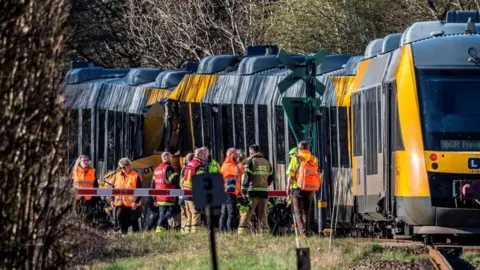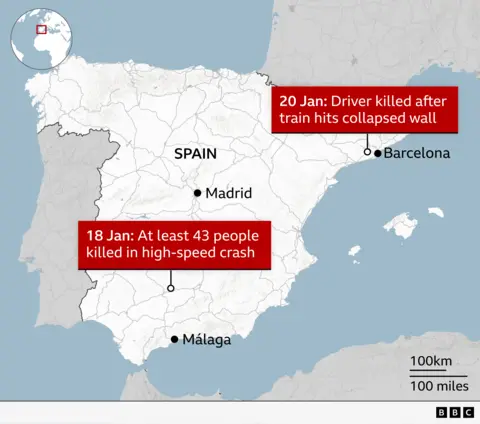
A high-speed rail collision on Sunday evening near Córdoba, Spain, has resulted in the tragic deaths of at least 43 individuals. The crash, which involved two trains colliding at high speed, is reported to be the deadliest railway accident in the country in over a decade.
Eduardo Morán, a doctor at Córdoba's Reina Sofía Hospital, shared the distressing experience of preparing for an influx of casualties, as he and his team readied the hospital for a mass emergency. They received patients with varying injuries, forcing medical staff to prioritize treatment due to the overwhelming circumstances. “We were expecting more,” Morán lamented, as reports indicated a significant number of victims didn’t survive the crash.
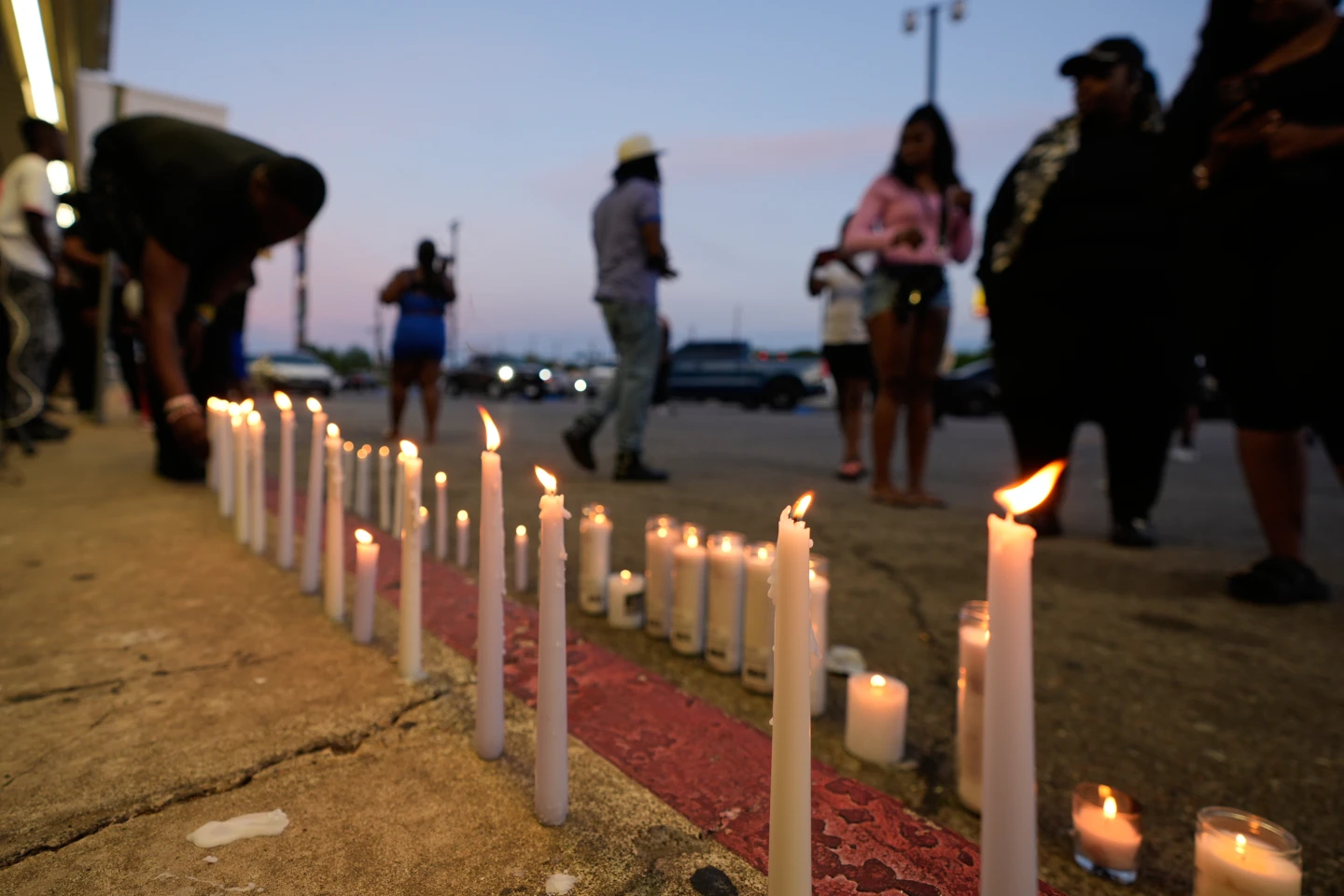
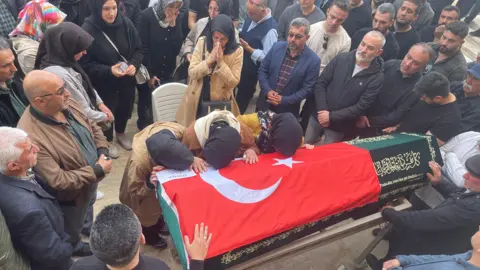
Among those confirmed dead was 50-year-old María del Carmen Abril, a beloved teacher returning from a surprise birthday celebration. Her friends shared their shock and grief at losing their vibrant companion, underscoring the emotional toll the tragedy has wrought on many families.
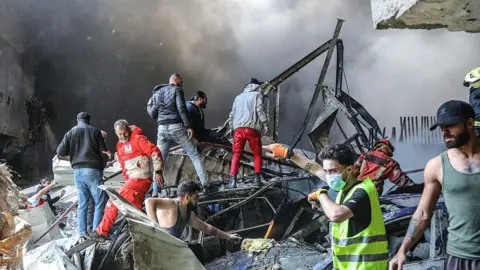
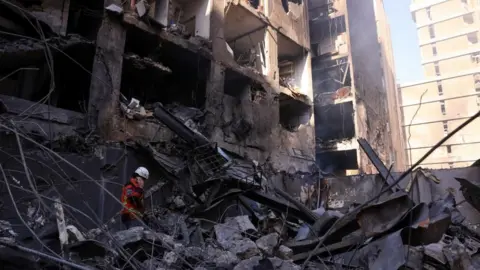
The wreckage of the trains remains a focal point for investigators as they explore what led to the collision. Initial findings suggest a gap in the track may have played a significant role, as efforts to unravel the factors contributing to the crash intensify.
In the wake of this disaster, news emerged of a second train derailing a few days later, which has led the Spanish train drivers’ union to voice their discontent over the deteriorating safety of rail services. Family members of the victims are calling for answers and accountability as they deal with the aftermath of a calamity that has left deep scars in their lives.
The pain and uncertainty felt by families such as Yamilei's, who lost her brother-in-law Victor Luis Terán, echo throughout Córdoba as local communities come to terms with the shared grief and seek solace amid the devastation.