The tropical snow that has been an icon of resilience is melting away
Equatorial Papua’s highest peaks have long held ice that scientists and Indigenous peoples alike consider priceless.

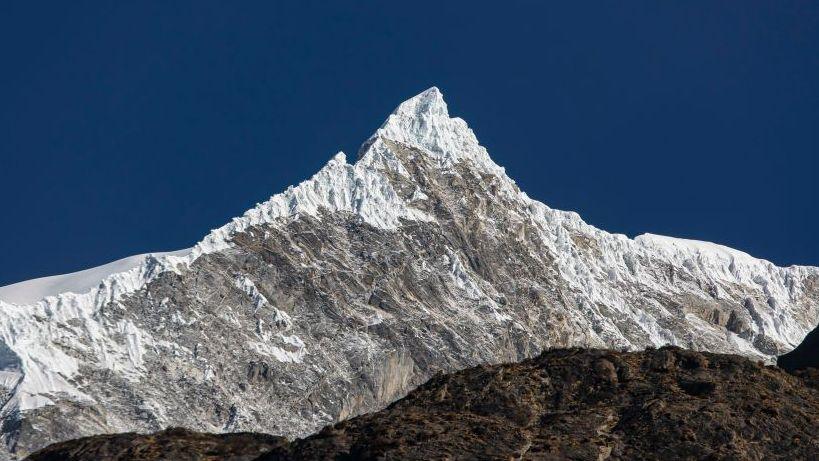
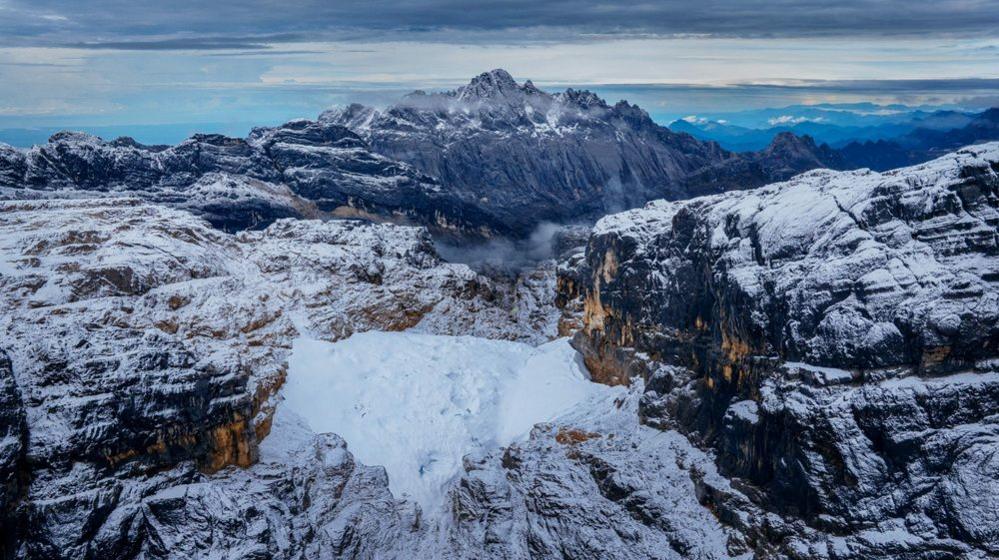
The Sudirman Range sits 450 kilometres south of the equator, making its glaciers a rare tropical phenomenon. For centuries, the mountain tops have circulated data about past climates and provided a mystical presence for local tribes.
Rapid loss of ice, rapid climate warning
Between 1900 and 2025 the glacier‑covered area that once spanned roughly 1,900 hectares has shrunk to a mere 16 hectares. A Danish research team found a 95 % reduction since the early 2000s.
Dr. Marie Šabacká of the University of Turku says the retreat signals warming at a rate that surpasses many other continents. “If the so‑called eternal snow vanishes, we lose a living archive of 1,000‑year history,” she warns.
Climate models link the loss to higher average temperatures, altered precipitation patterns, and intense El Niño cycles. Even a 0.3 °C increase can shift snowfall into rain at these elevations.
Cultural echoes of the vanishing peak
For the Amungme and Moni peoples, Puncak Jaya—known as Nemangkawi or Mbainggela—is more than land; it is a spiritual anchor. "If I see the mountain with melted ice, it feels like the death of a sacred ancestor," says activist Adolfina Kum.
Elfrida Natkime, a member of the Amungme community, compares the loss to world religions losing their holy sites. “The mountain is our identity, and to see it disappear is to lose part of ourselves,” she says.
Economic and environmental pressure: mining and roads
The same region that houses the ice also runs the Grasberg mine—one of the world’s biggest gold‑copper operations. Large-scale road construction and mining operations have reshaped valleys and displaced communities.
“I see the damage and the economic benefits,” Natkime admits. “The company creates jobs, but it also strips lands and deepens conflict.”
Preserving the past, framing the future

Scientists use drones and 3D modelling to capture the current extent of the ice. “When people hear that something described as eternal is disappearing, it triggers a reaction,” says Klaus Thymann, a Danish researcher.
Researchers emphasise that the melted ice will misrepresent climate data, create gaps in sea‑level rise records, and sever a cultural lifeline for Papuan societies.