In brief
A federal judge ruled that the Trump administration may officially end Temporary Protected Status (TPS) for Ethiopians in the United States, a move that will render the roughly 5,000 former TPS holders illegal residents. The Department of Homeland Security (DHS) signaled that the deportation notice will be served immediately, offering only the options of leaving the country or being removed. The decision follows a Supreme Court ruling that ended TPS for Haitian and Syrian nationals, and highlights a broader immigration crackdown that began under President Donald Trump. Ethiopian human-rights advocates warn that the decree endangers lives amid ongoing conflict in Tigray and other regions, and several lawsuits have been filed challenging the policy on grounds of racial and national‑origin discrimination.
A federal judge in Washington, D.C., cleared the way for the Trump administration to formally cancel Temporary Protected Status (TPS) for around 5,000 Ethiopians living in the United States. The ruling effectively removes the legal protections that had allowed these immigrants to stay in the country, work, and avoid immediate deportation.
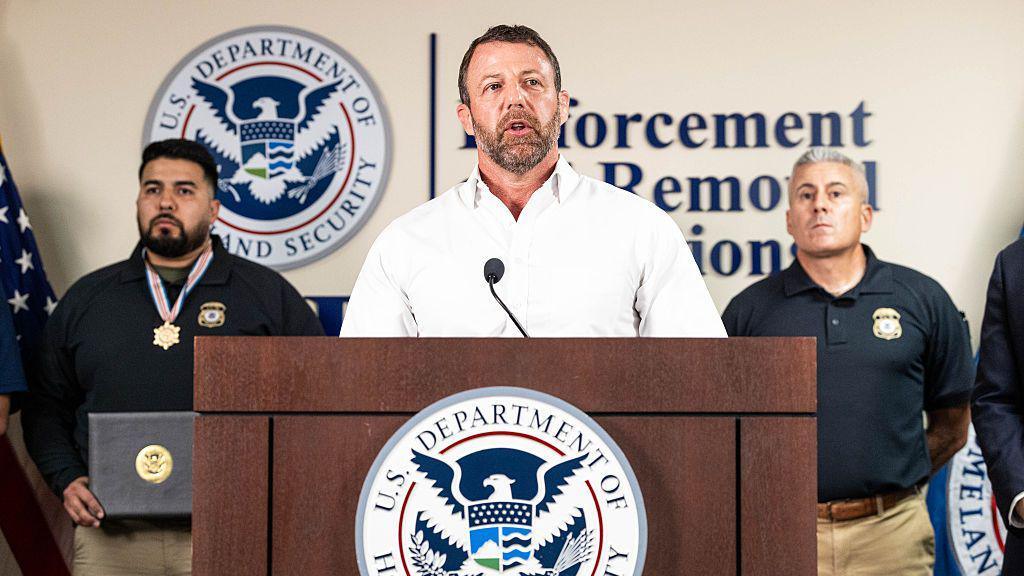
The Department of Homeland Security (DHS) announced on X that individuals with terminated TPS are now “ILLEGALLY” in the United States and will have only two choices: leave immediately or be deported. The statement reflected the broader immigration agenda that began when Donald Trump sought to revoke TPS for citizens of more than a dozen countries, including Venezuela, Honduras, and the Democratic Republic of Congo.
The judge’s decision came after the U.S. Supreme Court ended TPS protection for Haitians and Syrians in June. By lifting a temporary stay that had blocked the Trump government from ending TPS for Ethiopians, the court permitted the administration to move forward with the policy. DHS’s general counsel, James Percival, posted on X a celebratory message that all TPS terminations are in effect.
Ethiopian nationals who had challenged the shutdown in court, along with the advocacy group African Communities Together, expressed deep disappointment. “The crisis in Ethiopia is still ongoing, and this decision puts the lives of thousands of Ethiopians living in the US at severe risk,” said Diana Konaté, deputy executive director of policy and advocacy for the group.
The TPS designation for Ethiopia was initially granted by the Biden administration in late 2022 amid armed conflict, including the Tigray war, which displaced more than 20,000 people. Thousands of refugees arrived in the United States during that period and remained eligible for TPS until its termination. The current order not only strips them of legal status but also raises concerns about potential discrimination based on nationality, prompting the plaintiffs to continue litigation over whether the policy violated constitutional protections.
In the broader context, Ethiopia continues to experience armed unrest across regions such as Tigray, Oromia, and Amhara. While the federal government seeks to restore regional authority, the ongoing conflict, combined with potential involvement from neighboring Eritrea, further destabilizes an already fragile environment.
With the Trump administration’s decision now fully endorsed by the courts, the future of nearly 5,000 Ethiopian immigrants hangs in the balance, prompting questions about the U.S.’s commitment to humanitarian protections in its changing immigration landscape.