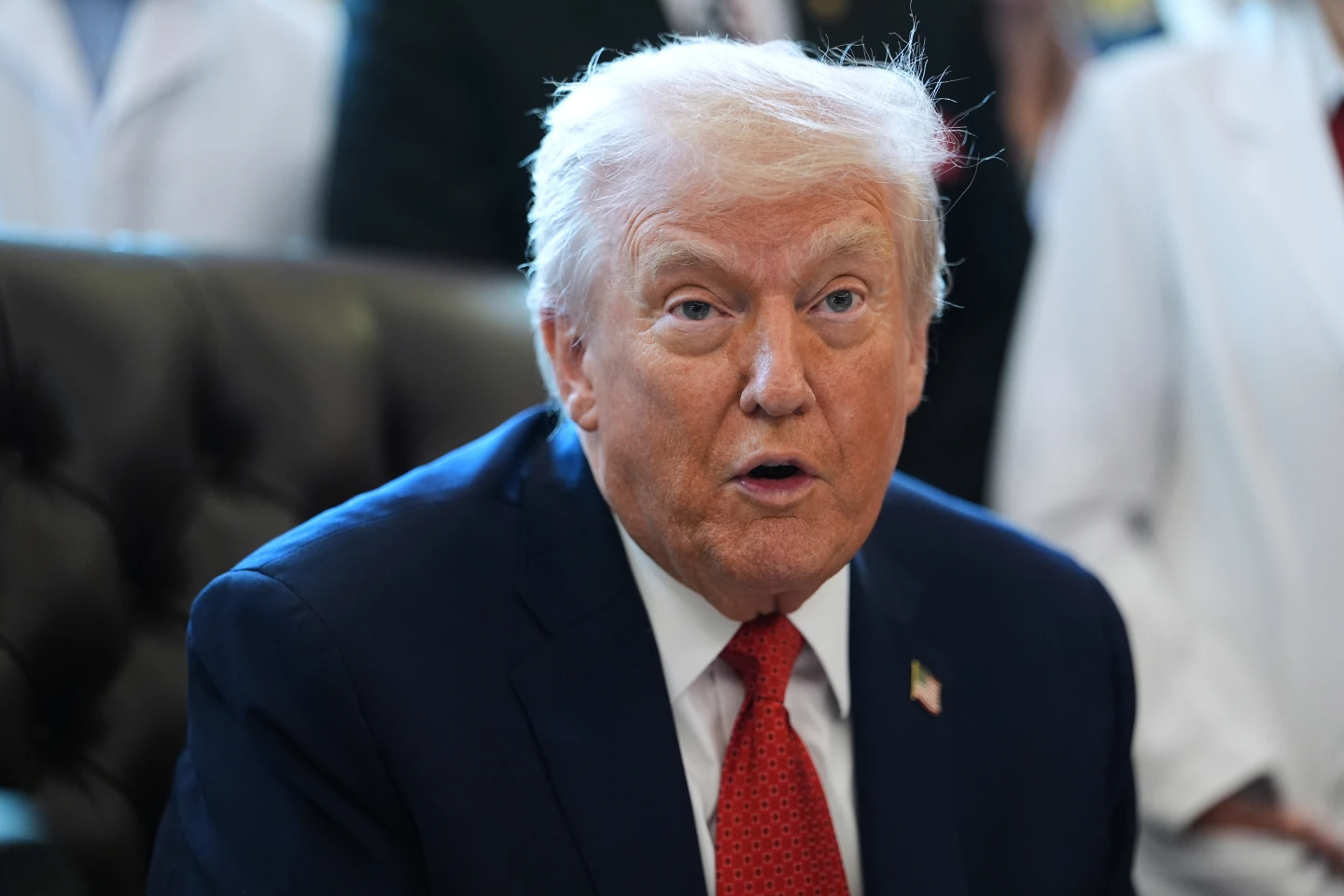
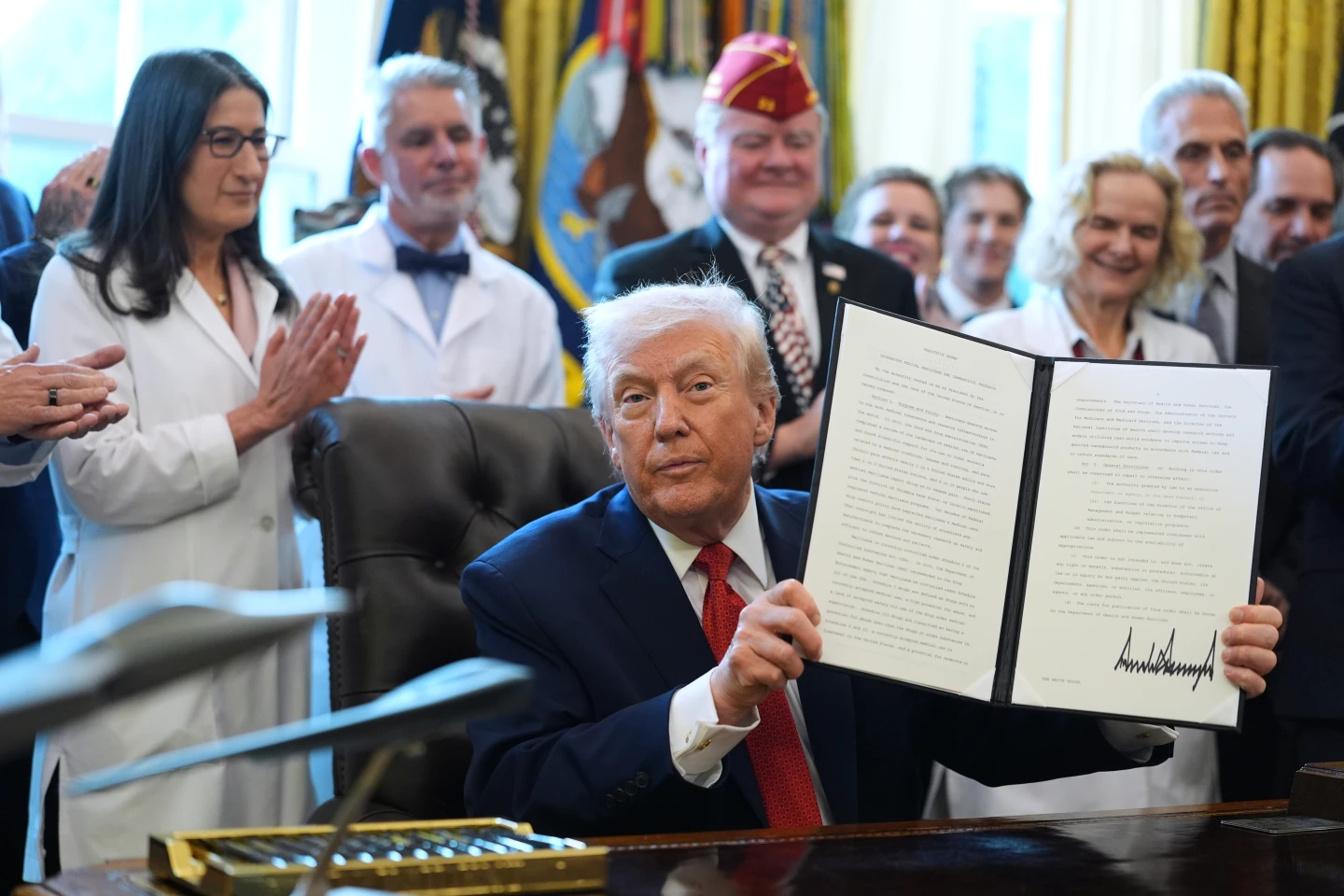
In a significant development in health policy, U.S. President Donald Trump announced on Friday that nine prominent pharmaceutical companies have agreed to lower their prescription drug prices in the United States. This agreement, which includes companies such as Amgen, Bristol Myers Squibb, Merck, and Novartis, aims to align Medicaid drug prices with those charged in other developed nations.
The deal will also see new drugs launched by these companies priced under a 'most-favored-nation' standard across various markets, including Medicare and Medicaid, enabling more equitable pricing for many patients. Currently, drug prices in America are influenced by multiple factors such as competition and insurance coverage, often leaving uninsured patients struggling to afford essential medications.
Patients on Medicaid typically pay nominal co-pays for their prescriptions, but with the new price reductions, it is hoped that state budgets supporting these programs will also benefit.
William Padula, an expert in pharmaceutical health economics at USC, remarked on the agreement, stating, 'While Medicaid already enjoys some of the best pricing, this initiative could further promote health equity and support pharmaceutical companies in reallocating funds for research and development.'
In addition to lowering drug prices, companies like Bristol Myers Squibb have committed to donating essential medications such as Eliquis, a widely-used blood thinner, to the Medicaid program, demonstrating a significant step toward health equity. Concerns remain about the long-term effectiveness of these price reductions and their impact on overall public health.
Additionally, the Trump administration plans to launch the TrumpRx platform, allowing consumers to purchase medications directly from manufacturers, offering another avenue to manage drug costs.
Trump emphasized that the negotiations were influenced by the potential imposition of tariffs, urging pharmaceutical executives to reconsider their pricing strategies. With these agreements, the administration has negotiated lower drug prices with 14 companies this year alone, promising to make meaningful changes in prescription drug affordability in America.