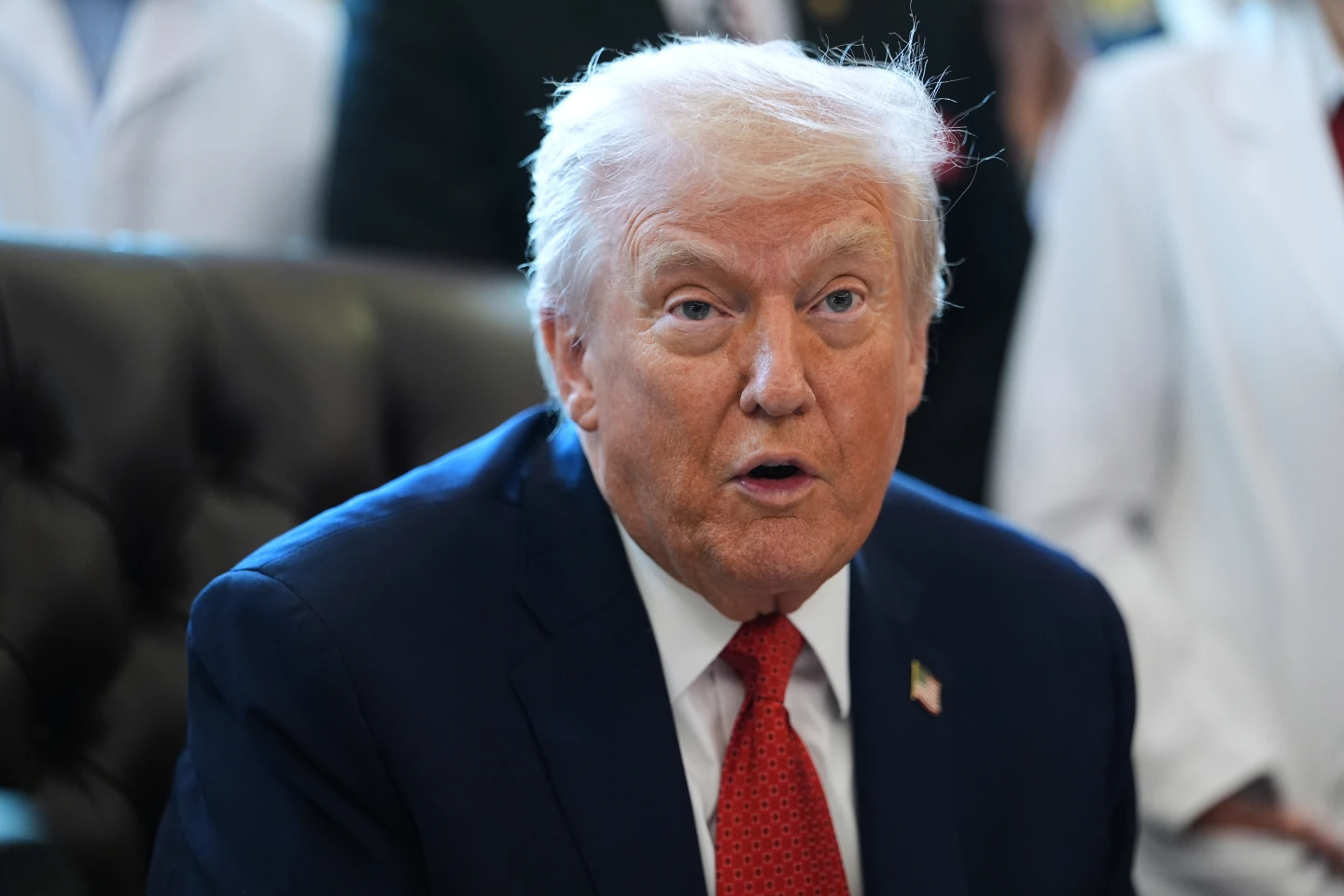
JEFFERSON CITY, Mo. (AP) — The question of whether to tax tips is becoming a central theme for lawmakers in various states as they prepare for their upcoming sessions. President Donald Trump’s administration is encouraging states to adopt a range of new tax breaks that include deductions for tips, overtime wages, and certain business expenses.
Many states will automatically implement these federal tax breaks unless they decide otherwise. Still, for other states structured differently in their tax laws, they must choose to opt-in to receive these federal benefits.
For workers who receive tips or overtime in states that choose not to conform to the new federal rules, it means no federal taxation on those earnings, yet they may still have to pay state taxes.
States that adopt these breaks could save significant amounts for their residents. However, there's concern about potential financial strain on state budgets due to rising costs linked to programs that have recently been instituted through federal legislation.
Most states will begin their legislative sessions next month. For any possible adjustments to tax breaks to take effect in 2025, quick action in these sessions will be necessary. A decision to apply the changes for the 2026 tax year may afford lawmakers a more extended timeframe.
Only a few states have indicated their readiness to vote on adopting these federal tax breaks, with skepticism prevalent among many. The tax breaks could provide relief to low- and middle-income families, but states are weighing the broader implications of these changes amid their financial strategies.
As we move into the new year, the pressure will be on state lawmakers to navigate this complex landscape and determine what works best for both their constituents and state finances.