WASHINGTON (AP) — President Donald Trump suspended the green card lottery program on Thursday that allowed the suspect in the Brown University and MIT shootings to enter the United States.
Secretary of Homeland Security Kristi Noem confirmed on X (formerly Twitter) that at the direction of President Trump, she is ordering a halt to the United States Citizenship and Immigration Services' green card lottery program.
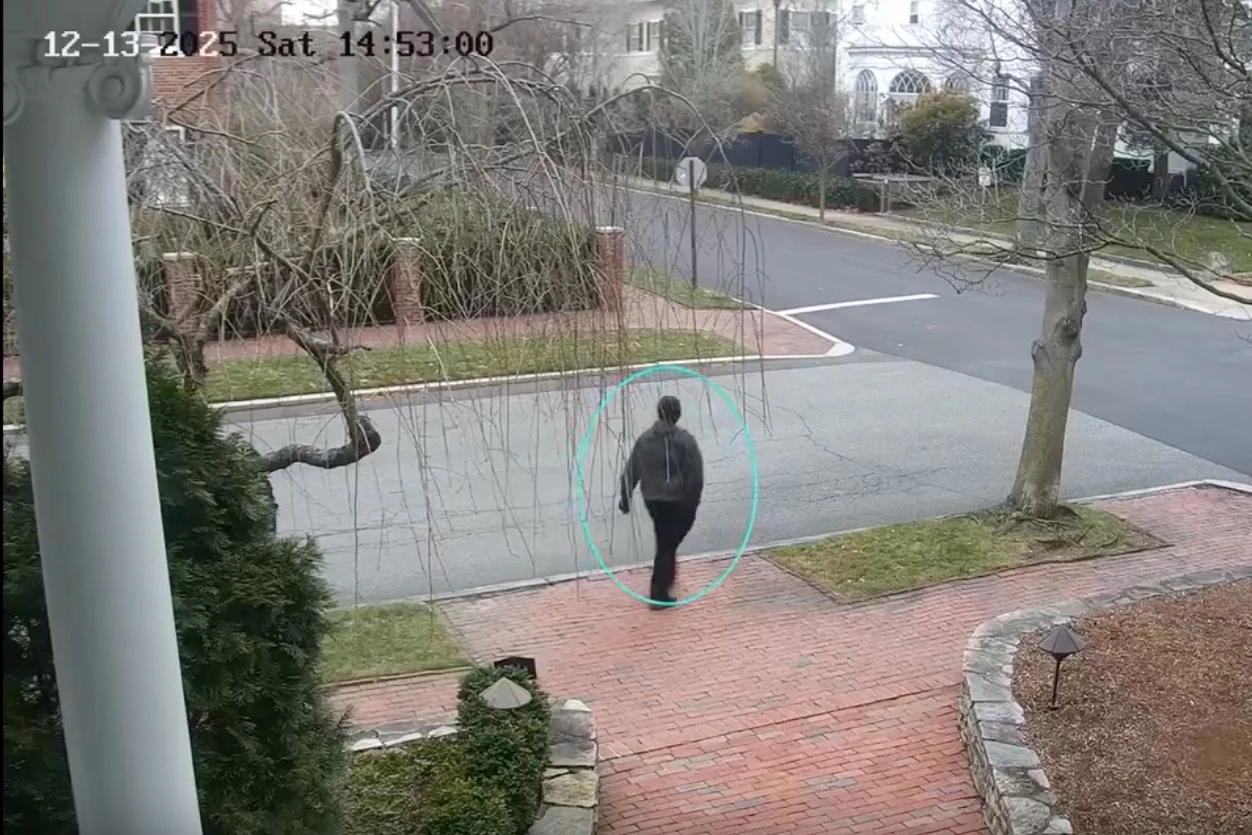
“This heinous individual should never have been allowed in our country,” she stated about the alleged shooter, 48-year-old Claudio Neves Valente, a Portuguese national.
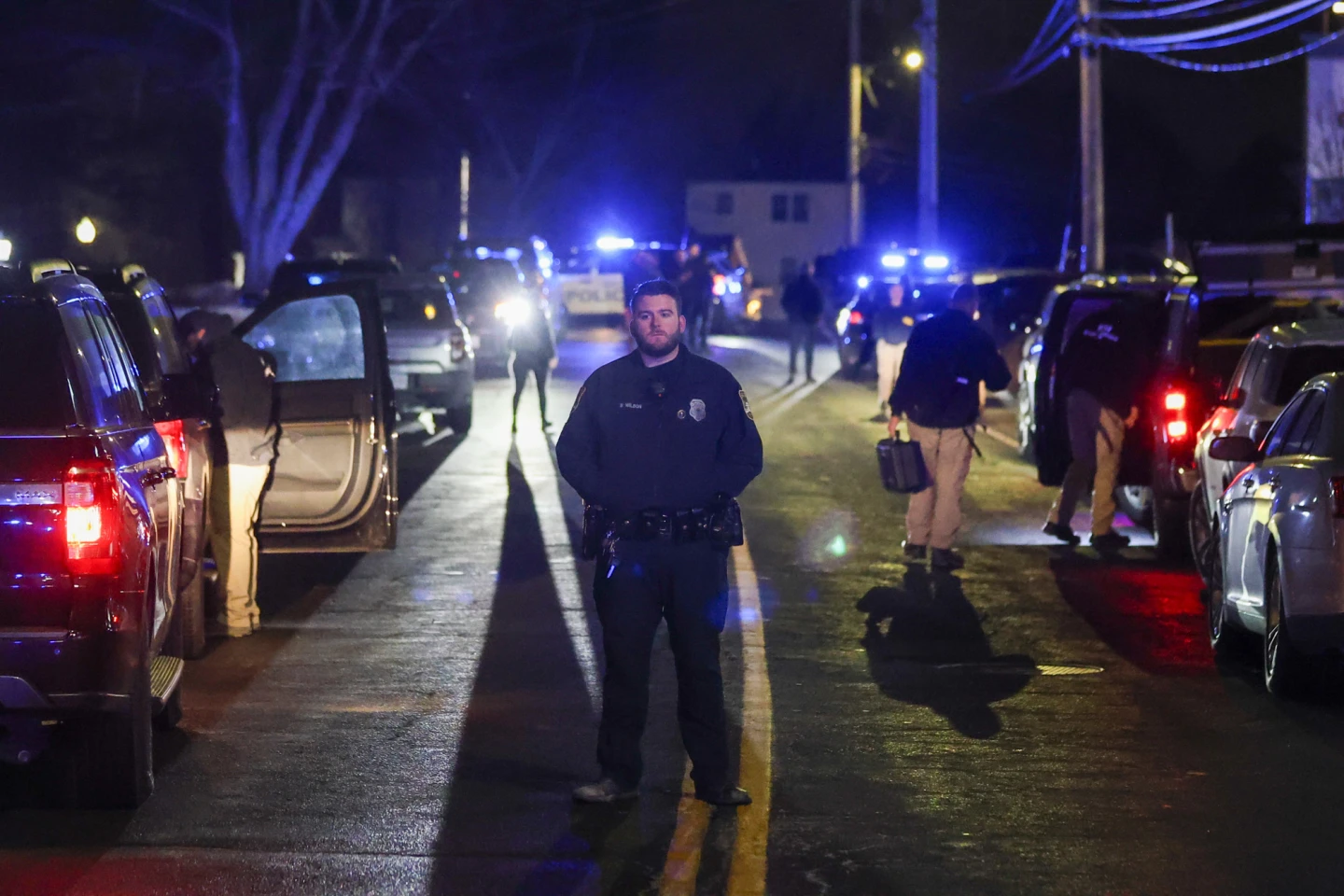
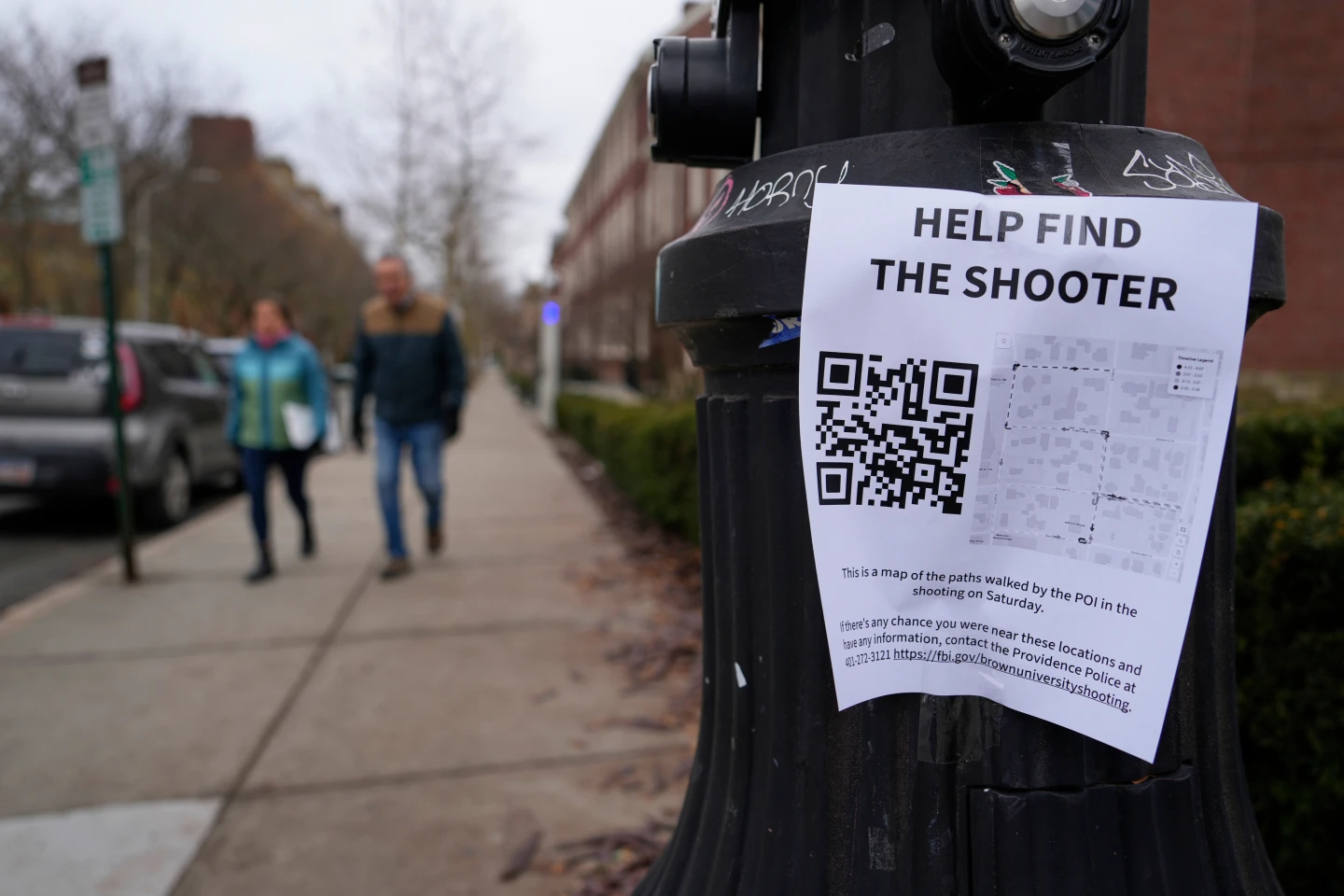
The shootings at Brown University resulted in two deaths and nine injuries, alongside the murder of an MIT professor. Authorities reported that Neves Valente later died from a self-inflicted gunshot wound.
Neves Valente had gained permanent resident status in 2017, according to U.S. Attorney for Massachusetts Leah B. Foley.
The diversity visa lottery allocates 50,000 green cards annually via a lottery to individuals from countries with low immigration rates to the U.S., predominantly from Africa. This program, established by Congress, is now expected to face legal challenges following this overhaul.
Almost 20 million people applied for the 2025 visa lottery, resulting in over 131,000 selections when including family members of the winners. Yet, only 38 slots were granted to Portuguese applicants.
Lottery winners must go through a vetting process and attend interviews at U.S. consulates before securing a green card.
Trump's strong opposition to the diversity visa lottery is well-documented, with the recent suspension being viewed as another instance of leveraging tragedy to fulfill immigration policy objectives. Earlier, a similar move occurred following an attack on National Guard members, leading to stricter immigration restrictions from Afghanistan and other regions.
Amidst ongoing efforts to curtail legal immigration, Trump has consistently aimed to remove pathways to residency, regardless of legal standing such as the diversity visa lottery or established rights like birthright citizenship, as highlighted by the Supreme Court's recent agreement to hear his case regarding the latter.