Venezuela's 'Ghost Ships': How They Evade Oil Sanctions
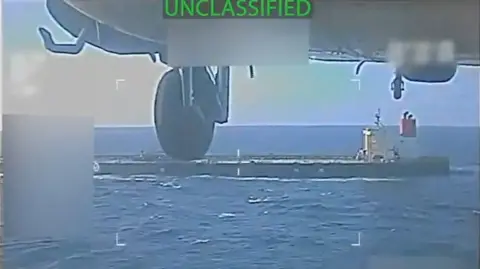
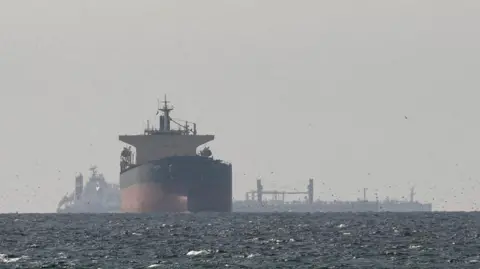
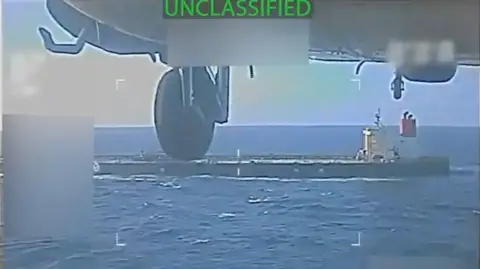
The US's ongoing sanctions against Venezuela have led the country to deploy a fleet of so-called 'ghost ships' to evade detection and continue its oil exports. This diversion comes as the US escalates its blockade of sanctioned oil vessels, further pushing Venezuela into using creative and clandestine means to sell its oil.
Venezuela, boasting the world's largest proven oil reserves, is heavily reliant on oil revenues. Yet, the sanctions targeting the state-run oil company PDVSA have disrupted traditional export routes, compelling the government of Nicolás Maduro to maneuver through complex maritime strategies to keep its economy afloat.
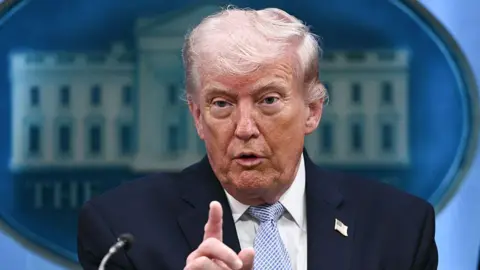
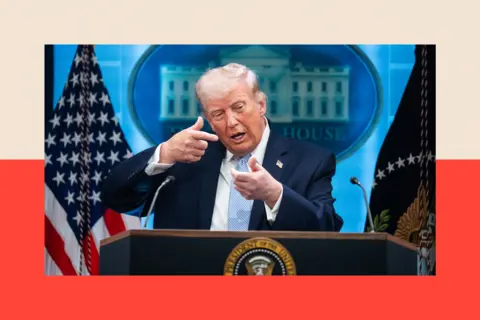
According to the latest data, more than 30 of the oil tankers in Venezuelan waters face US sanctions. President Trump announced on December 16 that a total blockade would be enforced against these vessels, following the seizure of an oil tanker believed to be part of this ghost fleet.
Despite the sanctions dating back to 2019, when crude exports decreased dramatically, recent reports indicate Venezuela's oil exports have recently rebounded, albeit still falling short of pre-sanction levels. This resilience is attributed to the innovative strategies employed by Maduro's government.
Ghost ships employ various tactics, including frequently changing their names and disguising their national flags to mislead authorities. Such vessels, some up to 20 years old, often 'spoof' their location transmissions, rendering detection difficult. The practice has become a widespread phenomenon, not limited to Venezuela, but also utilized by other sanctioned nations such as Iran and Russia.
The ghost fleet phenomenon underscores the challenges of enforcing sanctions and points to ongoing vulnerabilities in international trade and maritime regulation, sparking questions about the effectiveness of current sanctions against nations seeking to circumvent them.
As tensions mount and the US reinforces its military presence in the Caribbean, it remains to be seen how the operations of these ghost ships will evolve under increasing scrutiny and pressure.