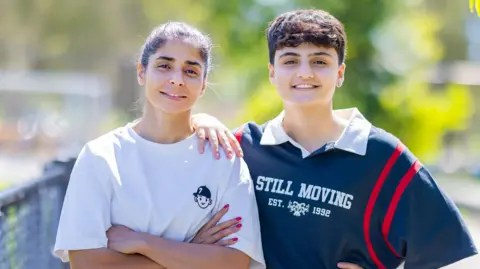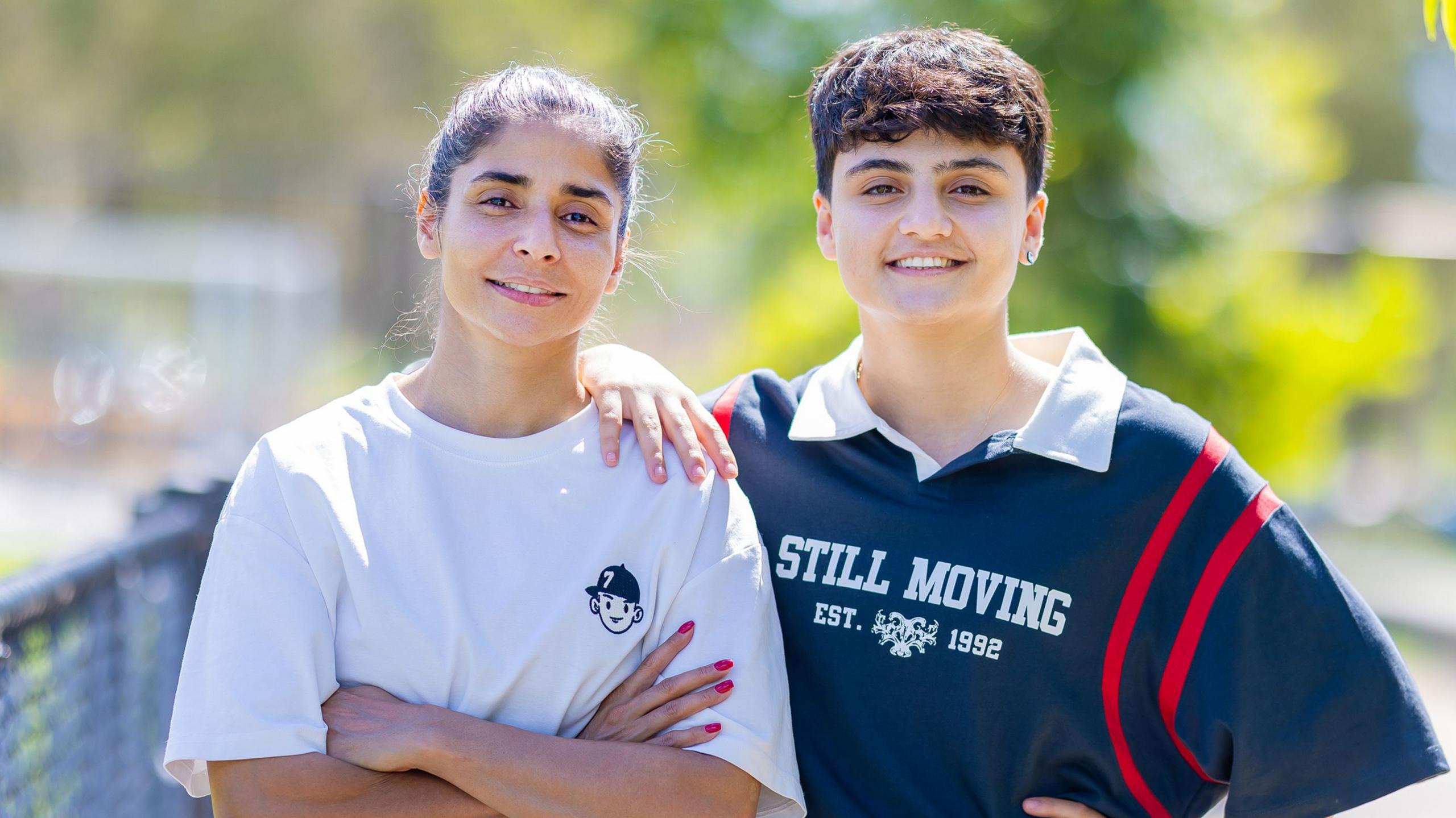
In Brisbane, two Iranian women footballers have officially become Australian citizens after a turbulent journey marked by political protest and international tension.
Atefeh Ramezanisadeh (34) and Fatemeh Pasandideh (22) were naturalised on Wednesday, following their participation in the Women’s Asian Cup in March where they faced pressure from Iranian authorities for refusing to sing the national anthem.
During the tournament, the Iranian sports ministry condemned the athletes, labeling them "traitors," and threatened severe reprisals if they returned to Iran. The girls, however, seized the opportunity to seek asylum in Australia rather than risk the stiffer penalties awaiting them at home.
While seven members of that squad received humanitarian visas, only the two female players stayed and secured citizenship, after a ceremony attended by Interior Minister Tony Burke. Ramezanisadeh described the day as “truly special and unforgettable,” and Pasandideh reflected that the moment “means more than words can express.”
Those decisions came against a backdrop of growing war tensions between Iran and Israel, which began on 28 February following joint US‑Israeli air strikes. Prior to the match, state television officials threatened to punish Iranian women who could not comply with the anthem, heightening fears for the team’s safety.
Some human‑rights advocates suggest that players who returned to Iran did so under duress. In contrast, the two who stayed highlight that their new citizenship protects them from the looming risk of state‑imposed punishments.
Their naturalisation coincides with the Australian government’s forthcoming visa reforms, including tighter restrictions on asylum seekers’ work rights and a ban on visitors applying for family visas. Critics argue that the new rules jeopardize the safety of refugees, while politicians defend them as necessary for immigration control.
Since obtaining citizenship, Ramezanisadeh and Pasandideh have joined the Brisbane Roar’s training squad, signalling a determined intention to continue their elite sports careers in their adopted country.
While their journey remains a symbol for Iranian athletes and refugees worldwide, it also illustrates the personal stakes involved when political expectations clash with human dignity and athletic ambition.