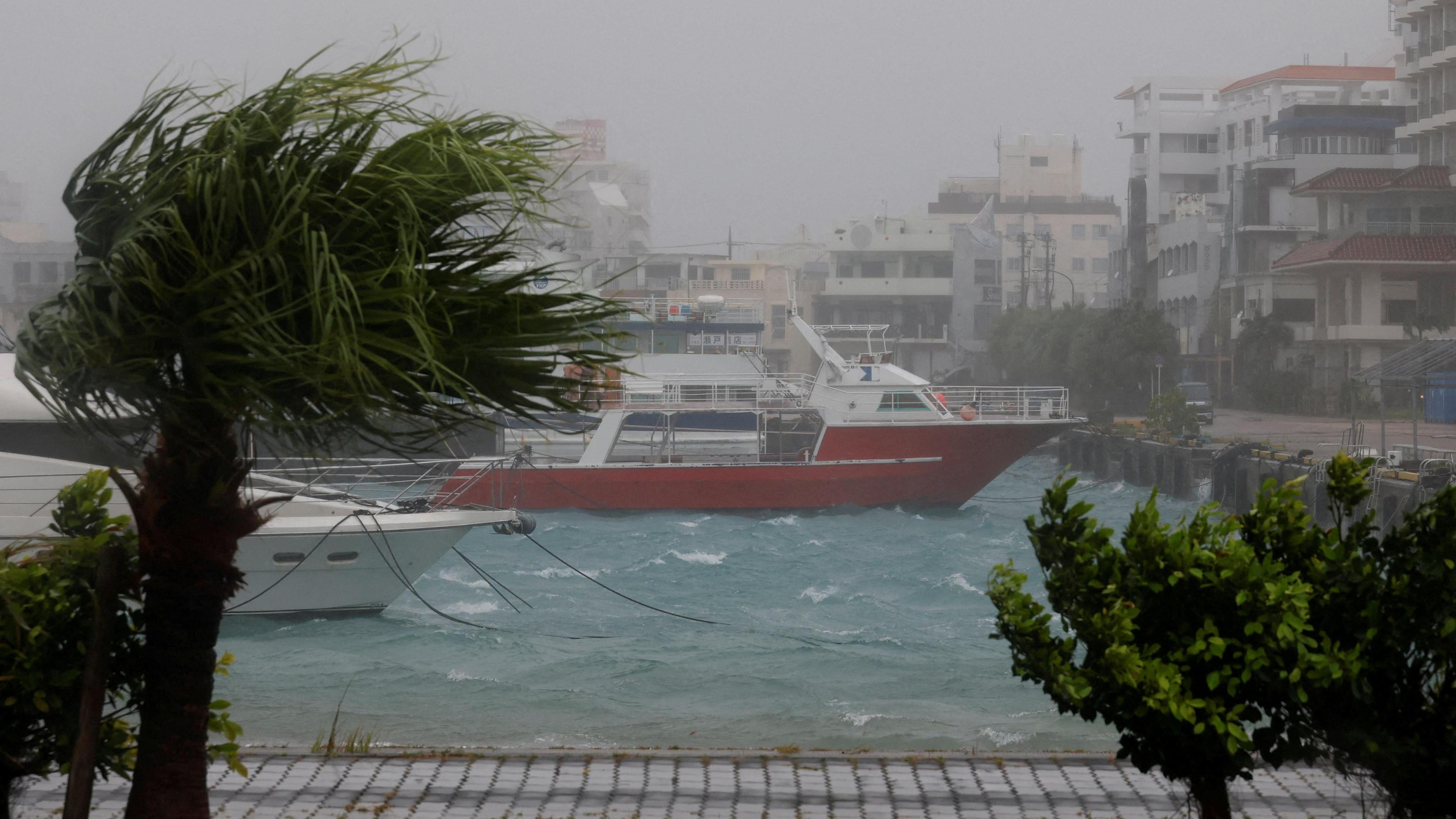
Hundreds of thousands of residents have fled homes in eastern China as Typhoon Bavi, the country’s second storm in a week, barrels toward its coastline.
The typhoon, now a Category‑1 with 144 km h⁻¹ winds, measures 1,000 km (620 mi) at its widest point—roughly the width of France—yet still carries a vast moisture reservoir that could trigger heavy rainfall and flooding.
Forecast models predict exceptionally heavy rains in Zhejiang province and the northeastern part of Fujian, prompting authorities to evacuate residents from low‑lying areas as a precaution against the worst‑case scenario.
The large coastal city of Wenzhou, home to around 10 million people, sits almost directly in the storm’s path and has seen widespread preparations in advance of the expected landfall on Sunday morning.
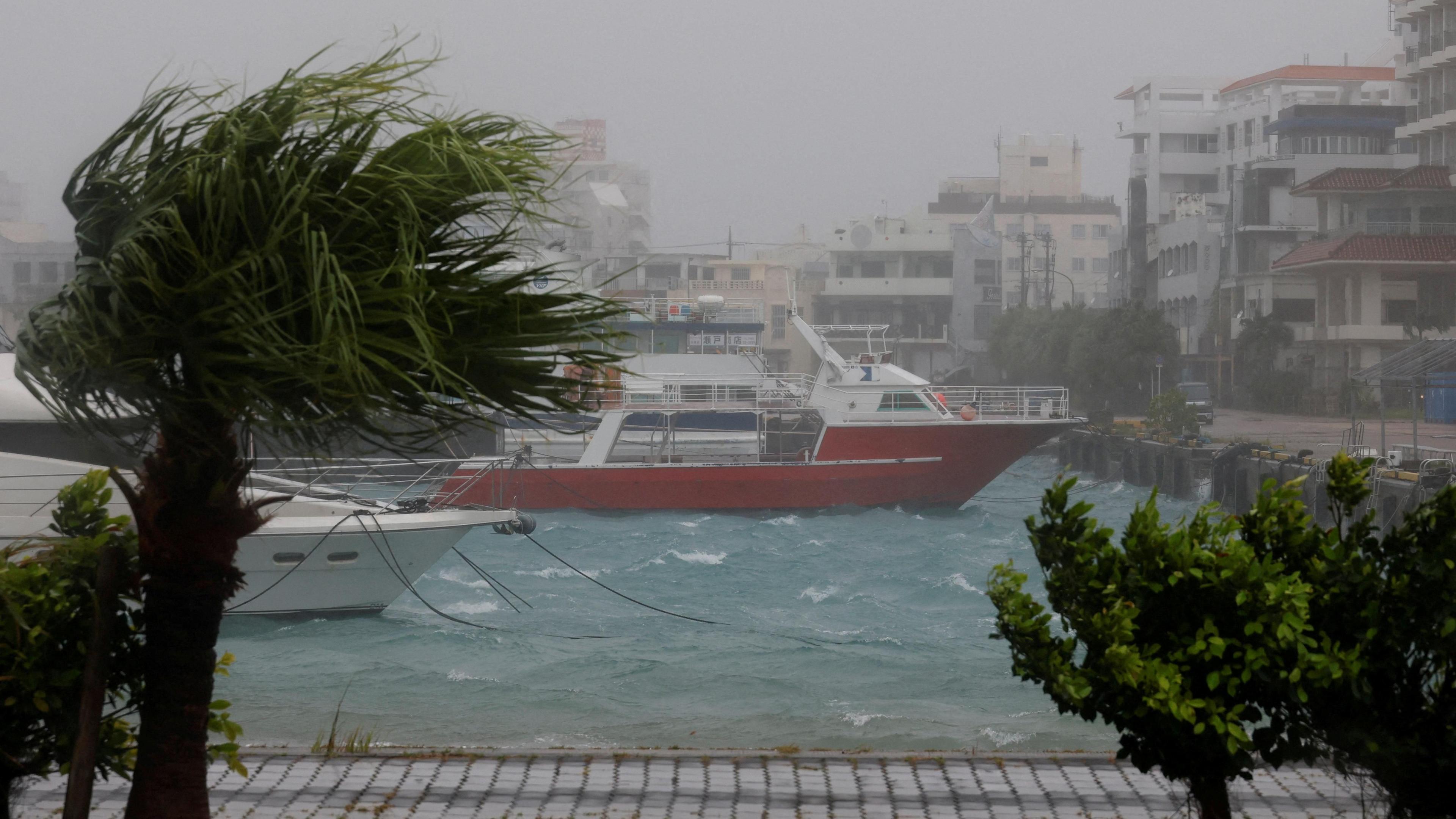
Bavi originated as a super‑typhoon, striking Guam and the Northern Mariana Islands last Monday with wind speeds up to 290 km h⁻¹ (180 mph). As it crossed the Pacific, its strength declined, but it still struck the Sakishima islands of Japan’s Ryukyu archipelago, leaving five injuries and widespread power outages.
Taiwan, while not in Bavi’s direct path, has experienced heavy rainfall that forced thousands to leave homes and caused concerns over potential landslides, yet no casualties have been reported there.
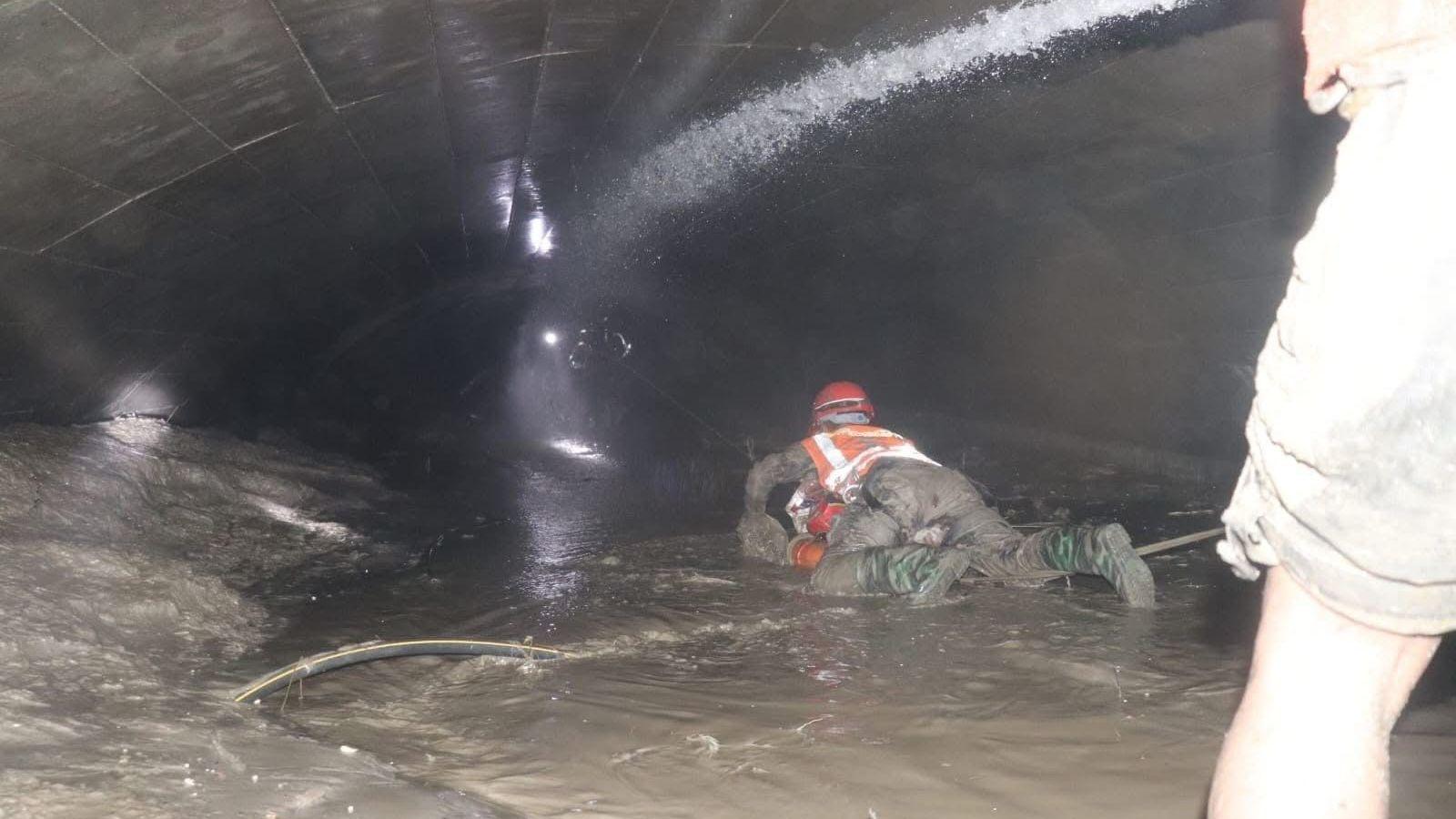
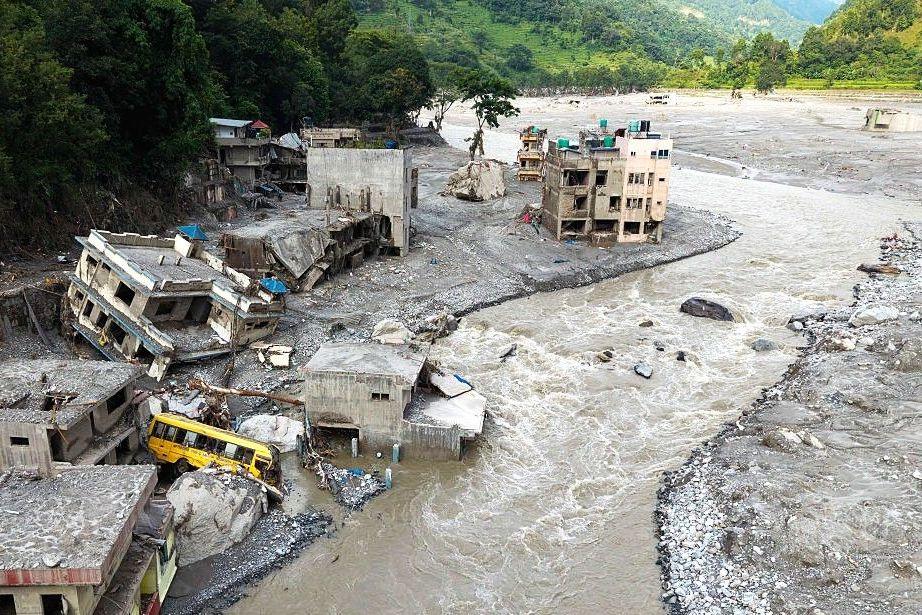
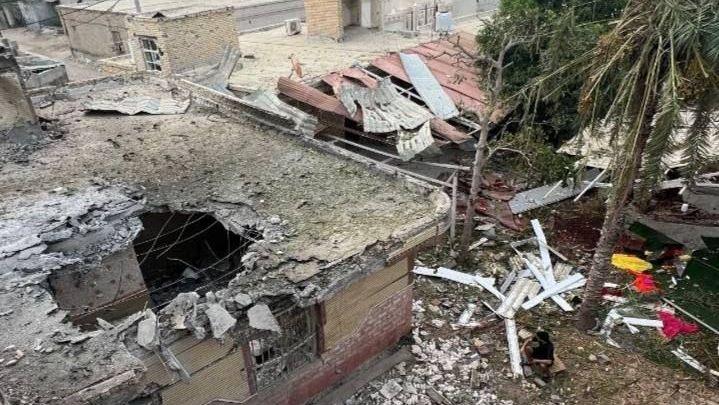
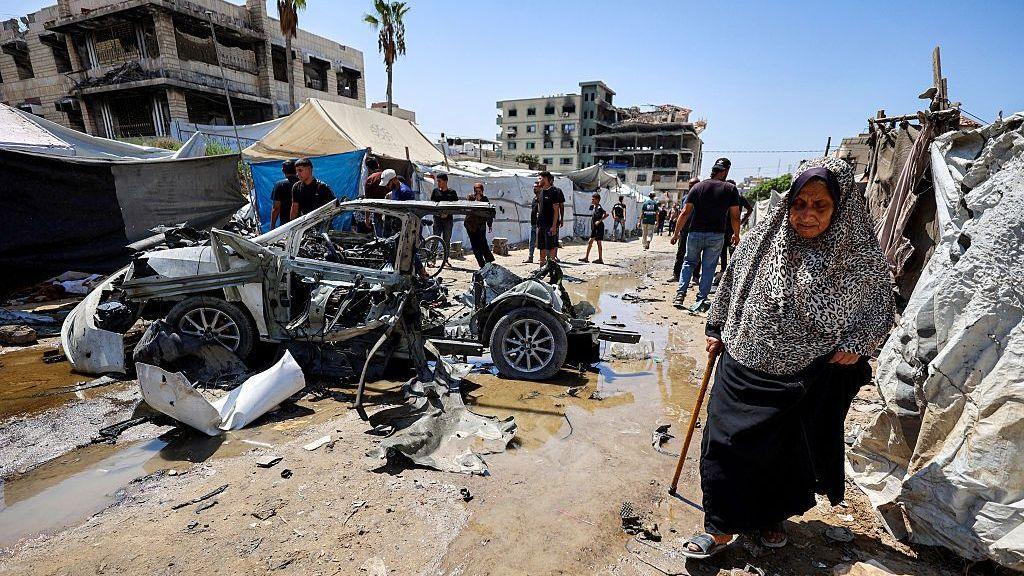
The region remains on high alert because prior to Bavi, Typhoon Maysak already inflicted significant damage—at least 39 deaths, loss of livestock, and even sparked two rare tornadoes in central Hubei province.
Authorities in China and across the region have cancelled flights and suspended classes in affected areas, while supermarkets rapidly deplete supplies as residents prepare for the incoming storm.
As Bavi’s path remains closely monitored, residents and officials alike keep watch for sudden shift toward stronger winds, heavy rains, and potential floods that could challenge China’s emergency response capacities.