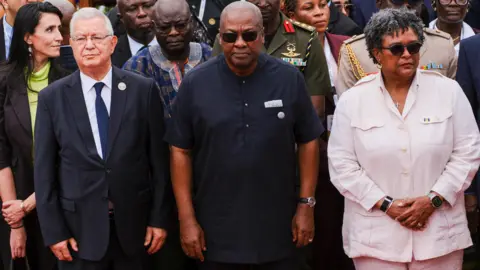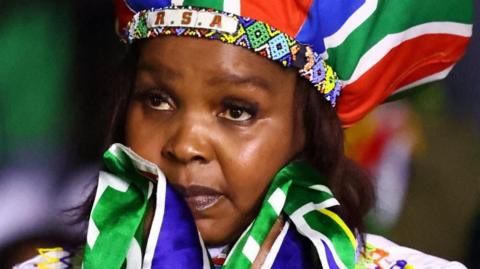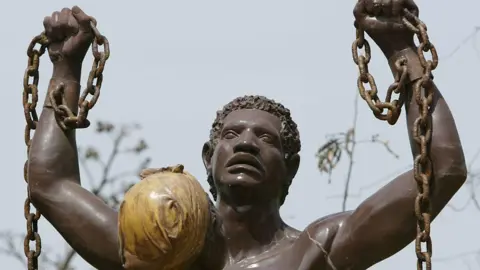
The United Nations General Assembly this week overwhelmingly backed a resolution declaring the transatlantic slave trade the gravest crime against humanity. Welcoming the vote, UN Secretary-General Antonio Guterres stated that the wealth of many Western nations was built on stolen lives and stolen labour. He highlighted the inhumane conditions under which individuals were enslaved, denoting it not merely as forced labor but as a system of mass exploitation and dehumanization.
The resolution, which gained backing from various African and Caribbean countries, stands as a powerful message despite its non-legally binding nature. Analysts suggest this could ignite discussions surrounding reparations or measures of compensation for the descendants of those enslaved.
It is a substantial step in political terms to hold this debate at the UN, despite its symbolic value, noted Almaz Teffera from Human Rights Watch, indicating it could enhance the prospect for reparations discussions. Indeed, the resolution was adopted with 123 votes in favor and only three against, with a significant number of countries abstaining.
Dr. Erieka Bennett, a prominent figure representing the Ghana-based Diaspora African Forum, articulated the personal significance of the vote for descendants of enslaved individuals, noting it brings acknowledgment and validates past sufferings.
While countries affected by slavery have advocated for reparations for over a century, recent years have seen a renewed vigor in these discussions, particularly after formal apologies from certain nations and businesses that profited from slavery.
The proposal not only seeks financial reparations but also emphasizes the need for educational initiatives and formal apologies to aid in the healing process for descendants of slavery victims.
As countries navigate the complex legacy of slavery, the conversation is poised to continue, reflecting both on historical injustices and on pathways towards justice in the present.