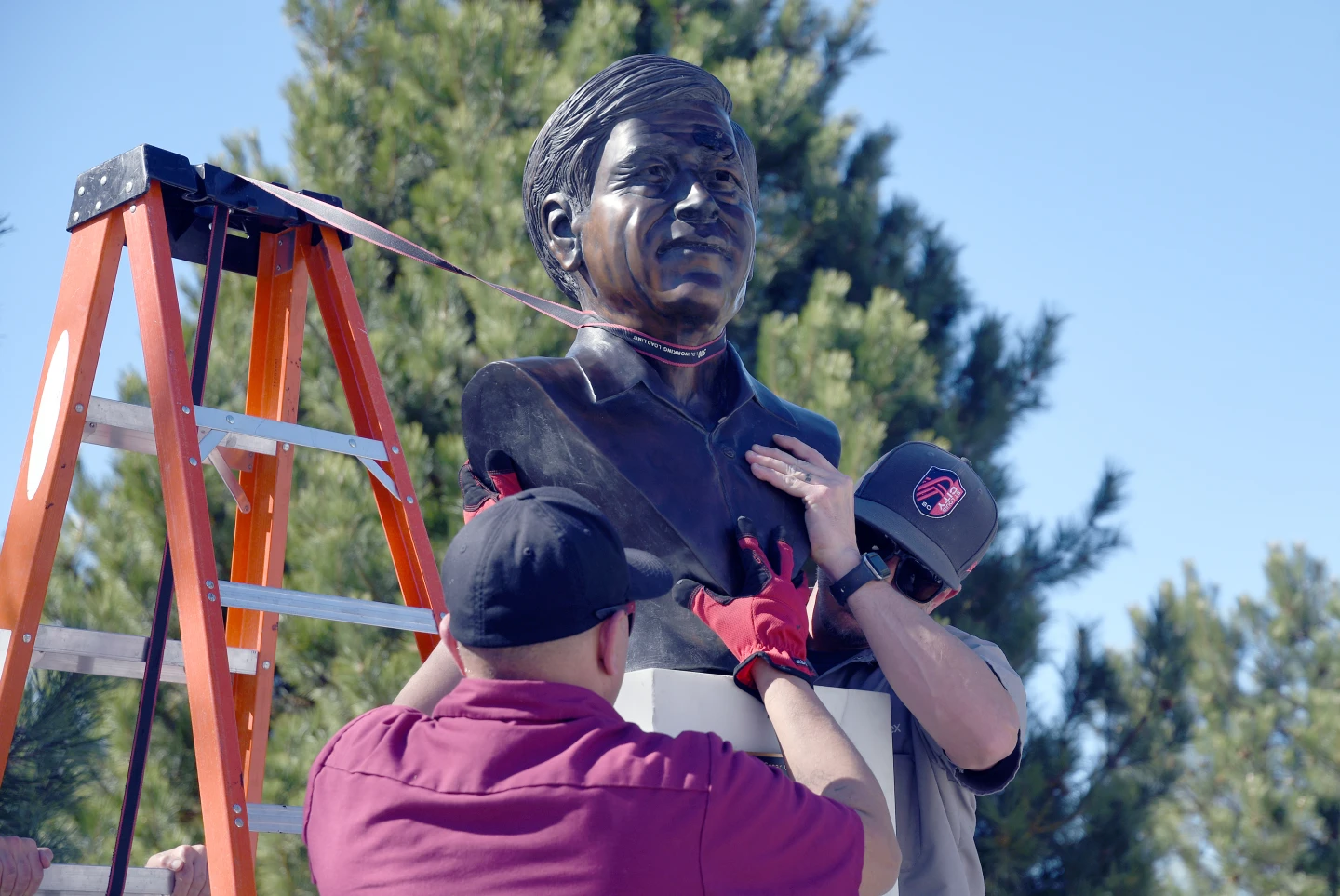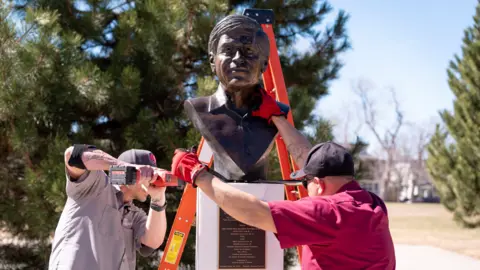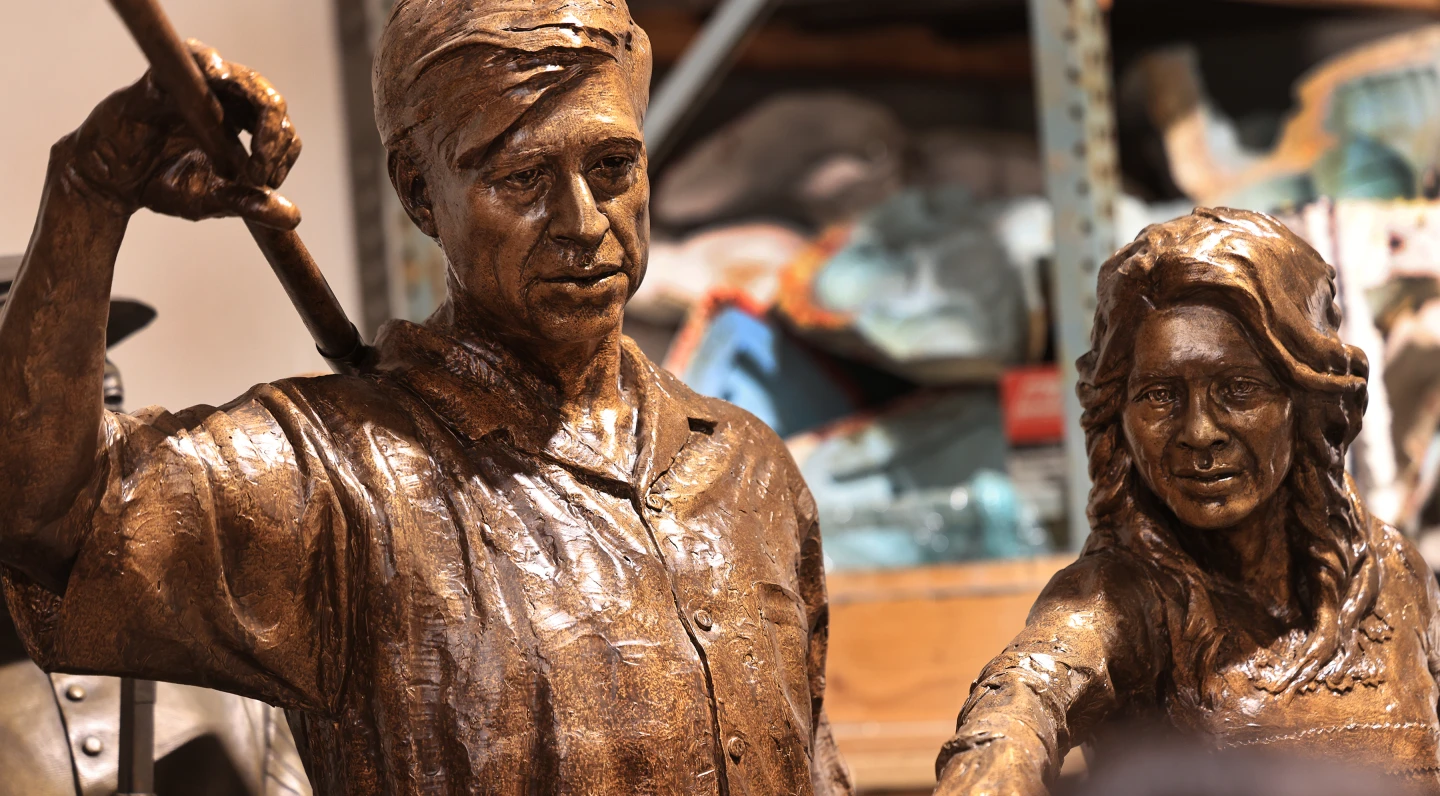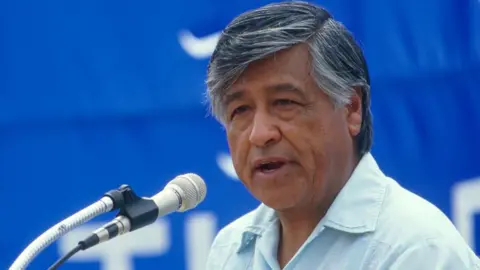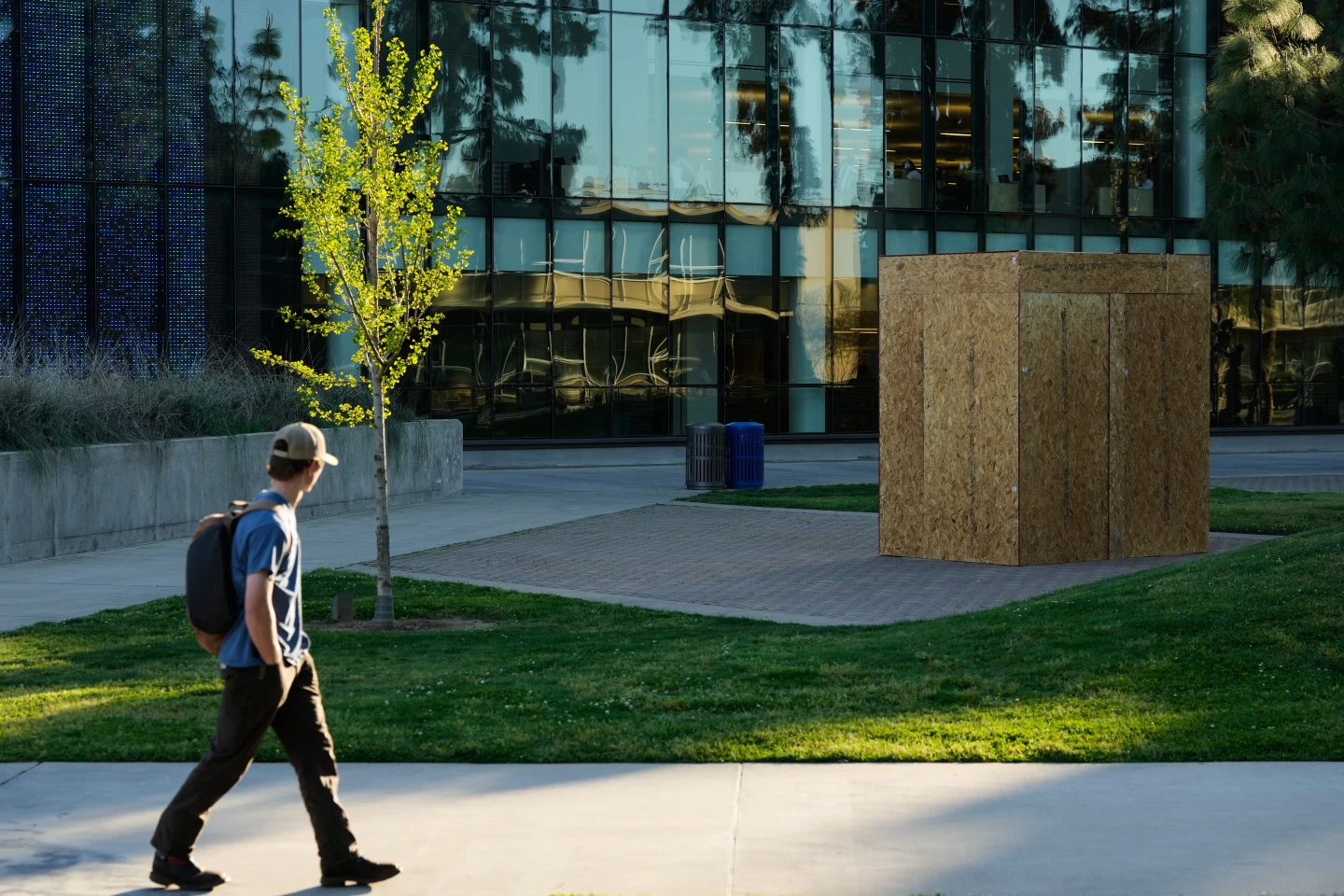
In light of explosive allegations against the esteemed labor leader César Chavez, California State University, Fresno, took immediate action by covering his statue and announcing plans for its removal. This is just one instance in a nationwide reconsideration of monuments, schools, and streets bearing Chavez's name, as new allegations of sexual abuse surface.
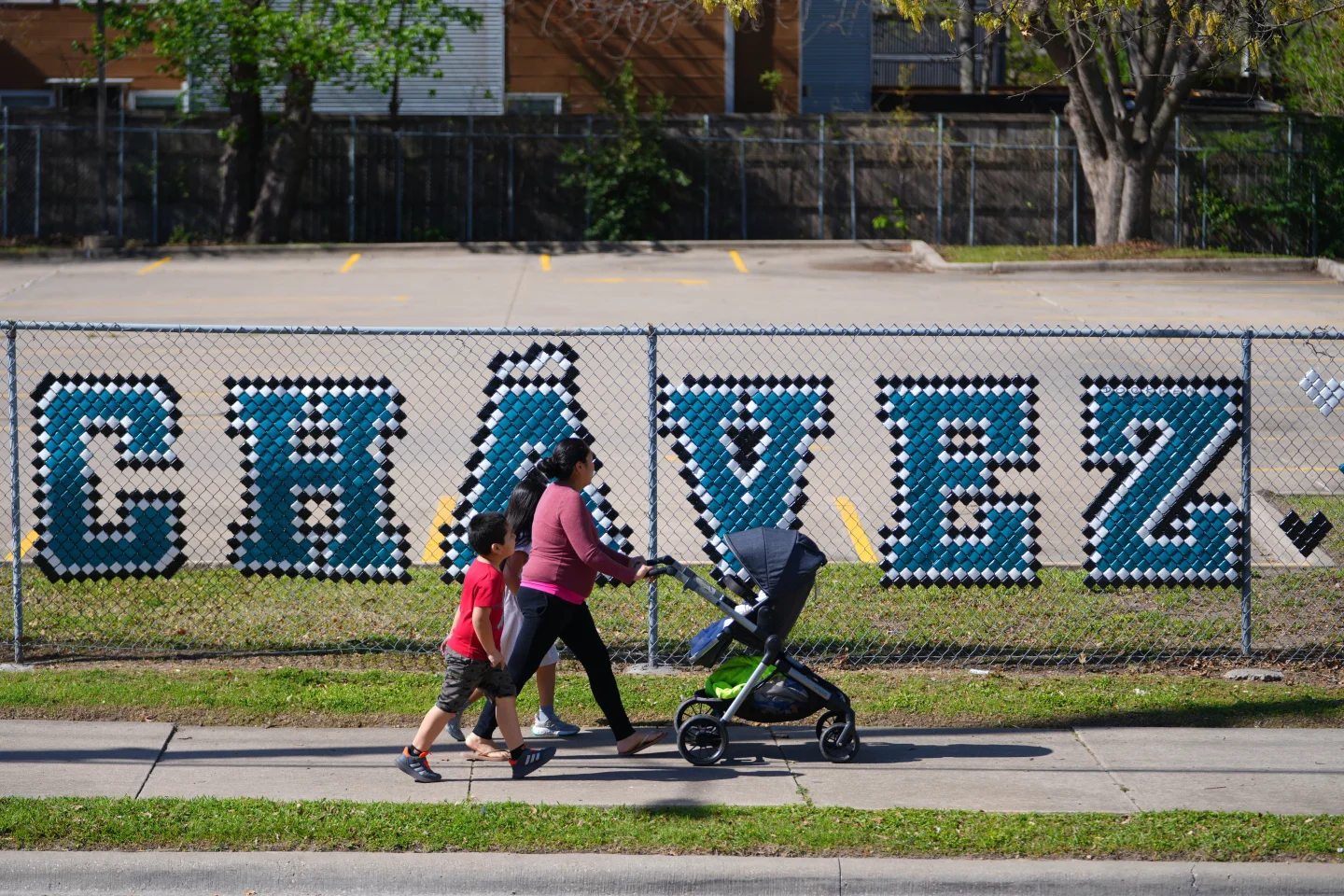
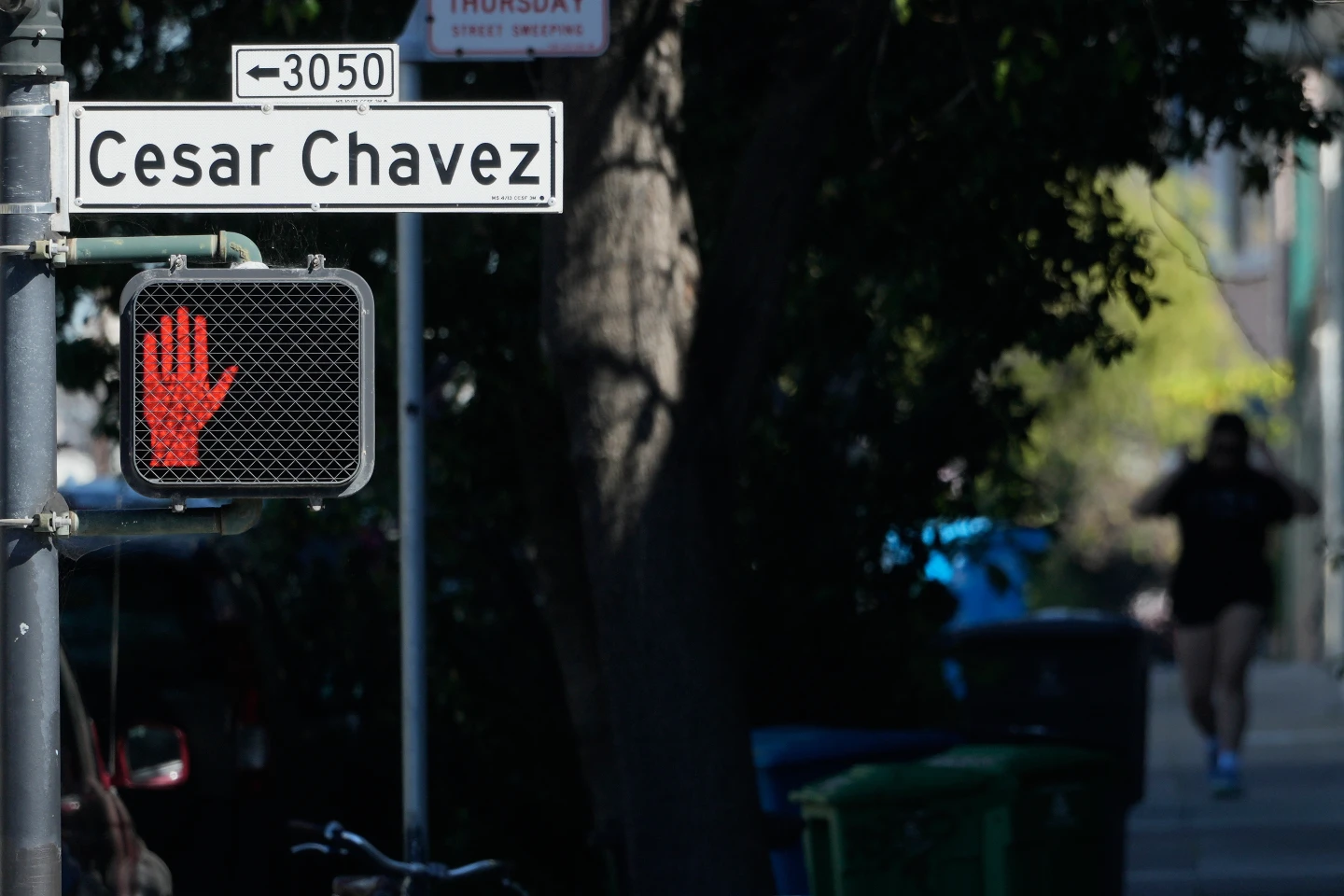
The Associated Press has identified more than 130 locations across 19 states, from schools to parks, named in honor of Chavez, who was once celebrated for his role in advocating for farmworker rights. However, these locations are now casting a dark shadow over his legacy.
Saúl Jiménez-Sandoval, the university president, emphasized the need for moral reckoning, stating, The allegations call for our full attention and moral reckoning by removing his statue from our campus. With uncertainty regarding the timeline for the statue's removal, discussions are already underway regarding the future of César Chavez Day, a federally recognized holiday.
In cities like Phoenix and Denver, local governments are actively engaging in discussions about renaming places associated with Chavez. Phoenix Mayor Kate Gallego proposed changing César Chavez Day to Farmworkers Day, aiming to honor the dignity of survivors while separating from Chavez’s troubling legacy.
Denver has already moved to celebrate the holiday under a new name, Sí, Se Puede Day, a slogan that encapsulated the spirit of the farmworker movement. Mayor Mike Johnston announced, We will not let the sins of one man set back the commitment of a community who has fought for decades to deliver on the fundamental belief that everyone is entitled to justice. The transition reflects a collective desire to retain the spirit of activism while distancing from toxic legacies.
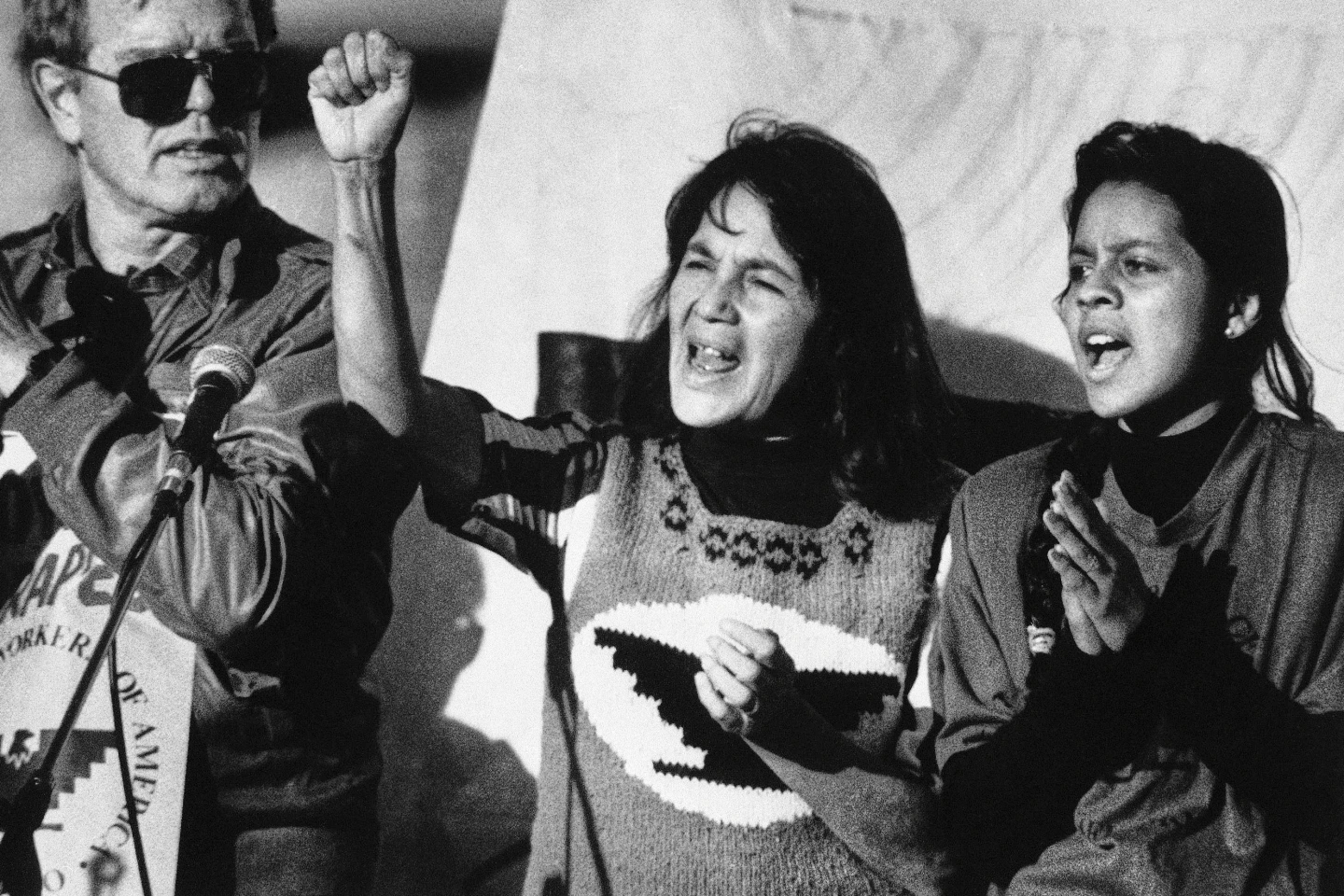
Calls are also growing to honor Dolores Huerta, a fellow labor leader and co-founder of the United Farm Workers, who has served as a stalwart advocate for workers’ rights. As communities redefine their narratives, Huerta's role in the movement continues to garner admiration.
The New York Times, which originally uncovered the allegations against Chavez, reported on instances of grooming and abuse that included methods designed to manipulate young individuals in the labor movement. As a result, several cities are considering removing Chavez’s name not only from public infrastructure but also from community commemorations.
In the wake of these developments, a broader conversation around the complexities of honoring historical figures is underway, and communities are grappling with how to reconcile achievements with flaws. Efforts to rename schools and streets for Huerta could symbolize a shift in focus to a leader who embodies positive values and advocacy.