USS Abraham Lincoln: 250‑Day Mission Under Scrutiny
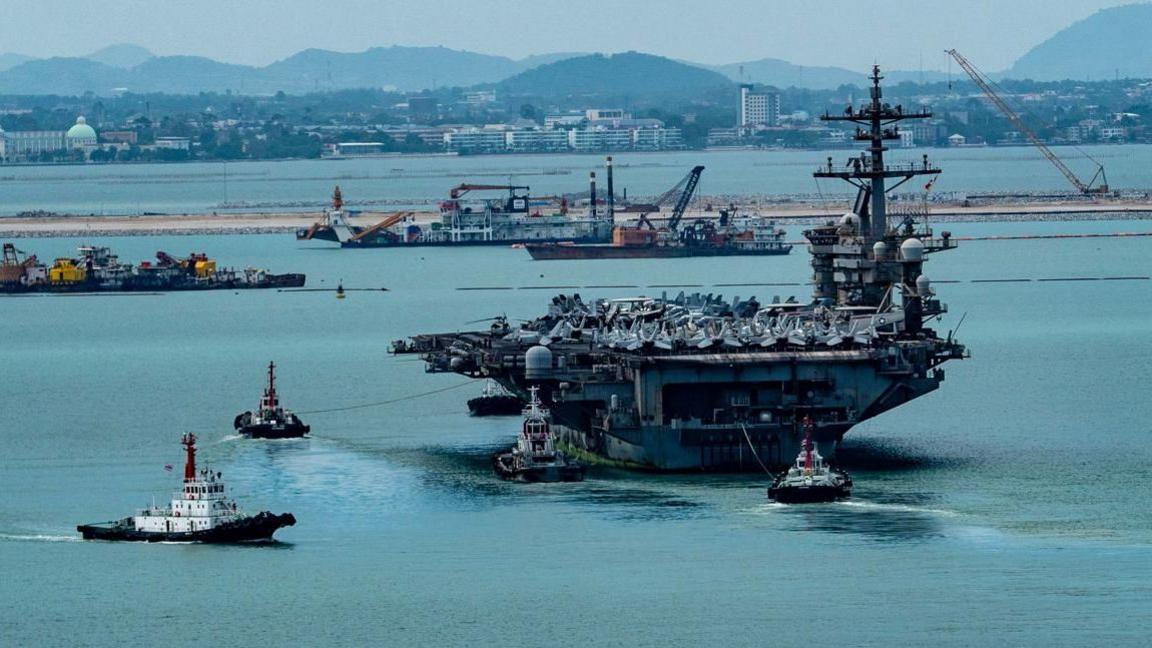
The United States Navy’s flagship aircraft carrier, the USS Abraham Lincoln, has extended its deployment in the Persian Gulf, surpassing its original scheduled return in May 2026. The ship has spent more than 250 consecutive days at sea, according to satellite imagery that tracks its movements. Its last port call was in December, after which it has remained isolated on the water.
Crew members aboard the ship have reported deteriorating living conditions, including cramped berthing, limited medical supplies, and a noticeable decline in morale. These reports come at a time when the US is embroiled in an extended conflict with Iran, adding pressure on the Navy to maintain a high‑readiness state.
Military analysts point out that prolonged deployments, especially in high‑risk areas, can exhaust both personnel and equipment. The Navy’s statement confirms that the USS Abraham Lincoln will soon head home, but questions remain about how prolonged detainment will affect future operational readiness.
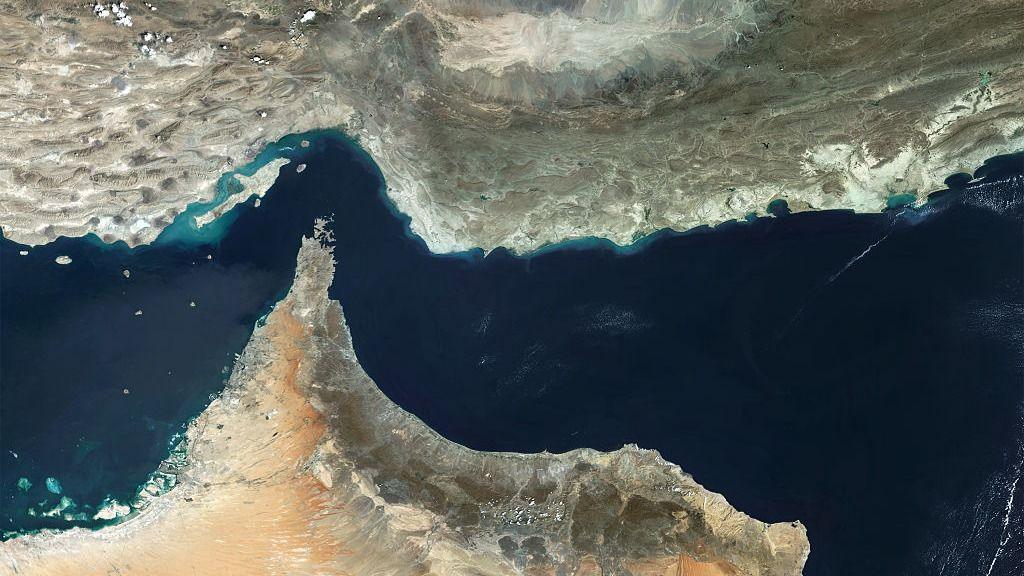
BBC Verify has used satellite imagery to track the carrier’s trajectory, offering an objective lens on how the ship remained at sea for extended periods. This use of open‑source data underscores growing scrutiny over naval deployments in the Middle East.
The situation highlights a broader strategic dilemma: balancing the need to project power against ensuring the health and safety of the crew. As the ship prepares for its return, the Navy may need to consider measures to address the reported shortcomings to avoid further operational risks.