Unprecedented Conditions Afloat: How a Controversial Carrier Became a Humanitarian Flashpoint
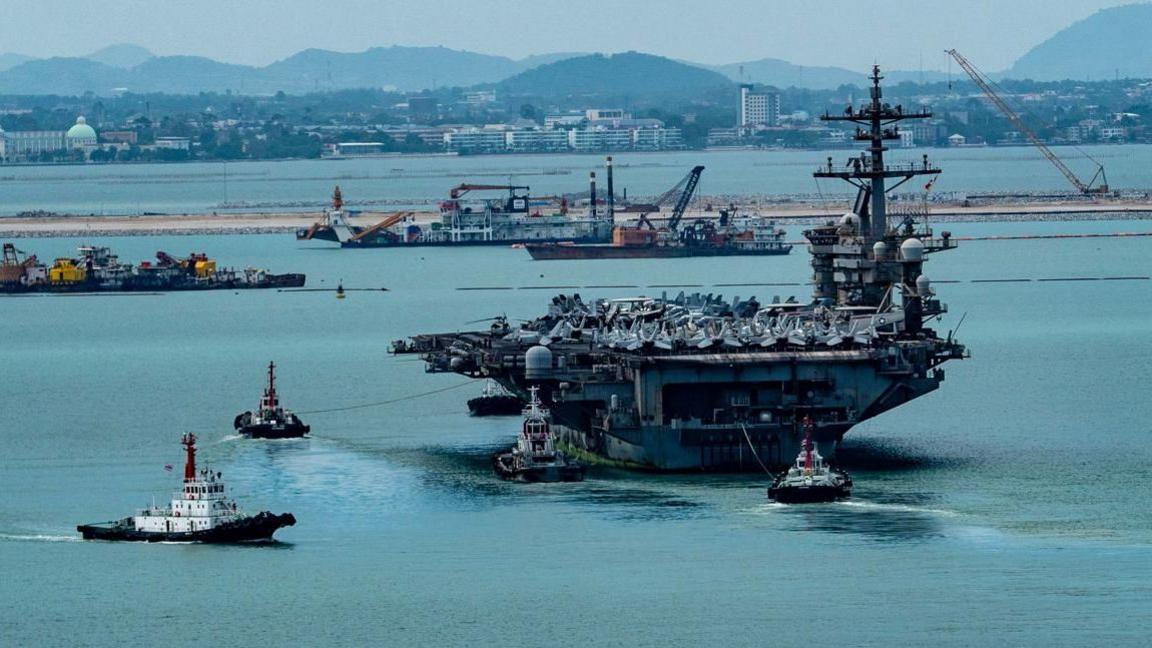
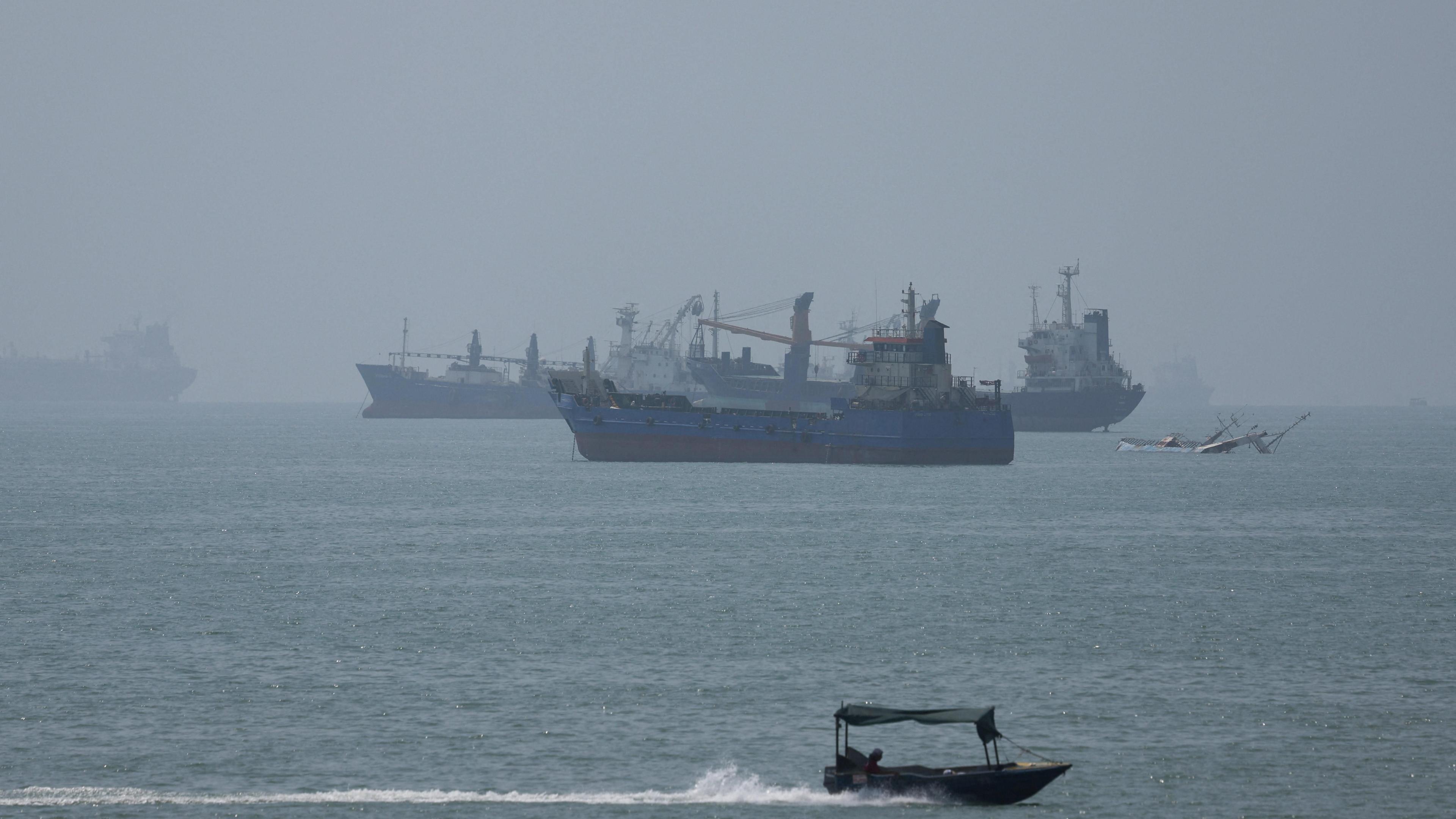
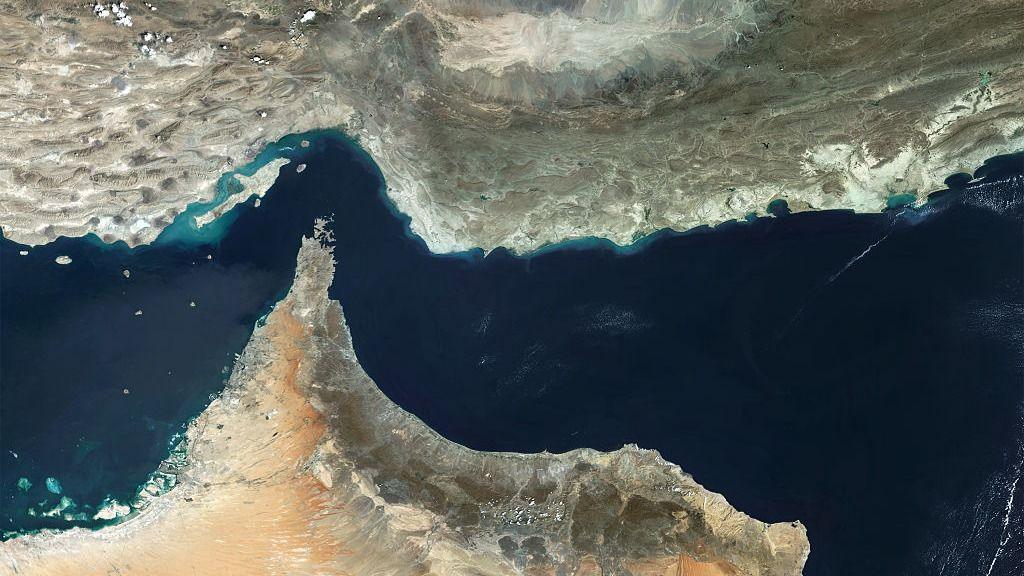
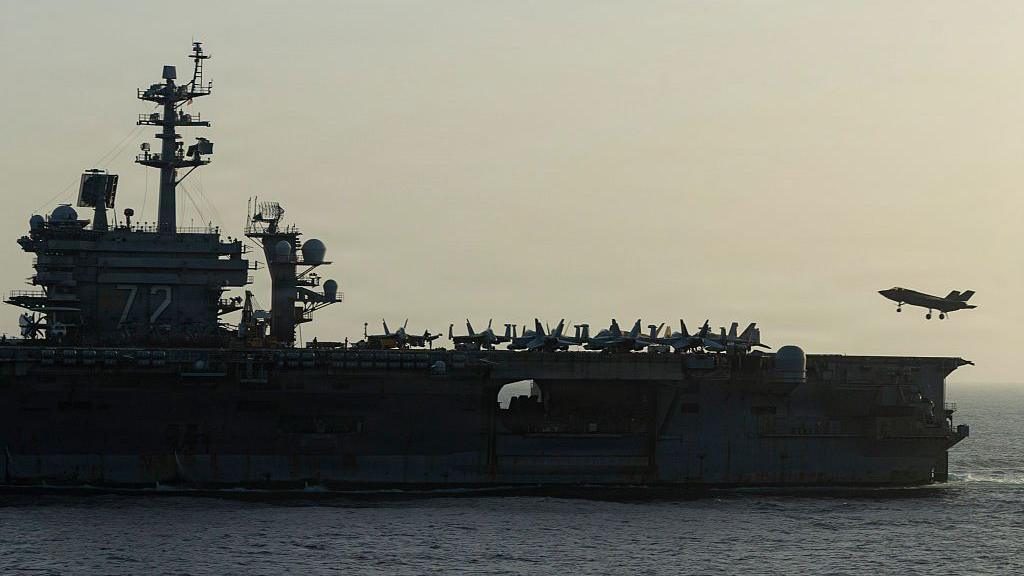
For more than 250 days, the USS Abraham Lincoln has floated in the Middle East, serving as a platform for U.S. air power and a locus of growing civil concern. While the ship’s mission extends beyond the battlefield, reports of severe living conditions—ranging from food and water shortages to broken plumbing—have turned the steel hull into a symbol of overlooked human welfare.
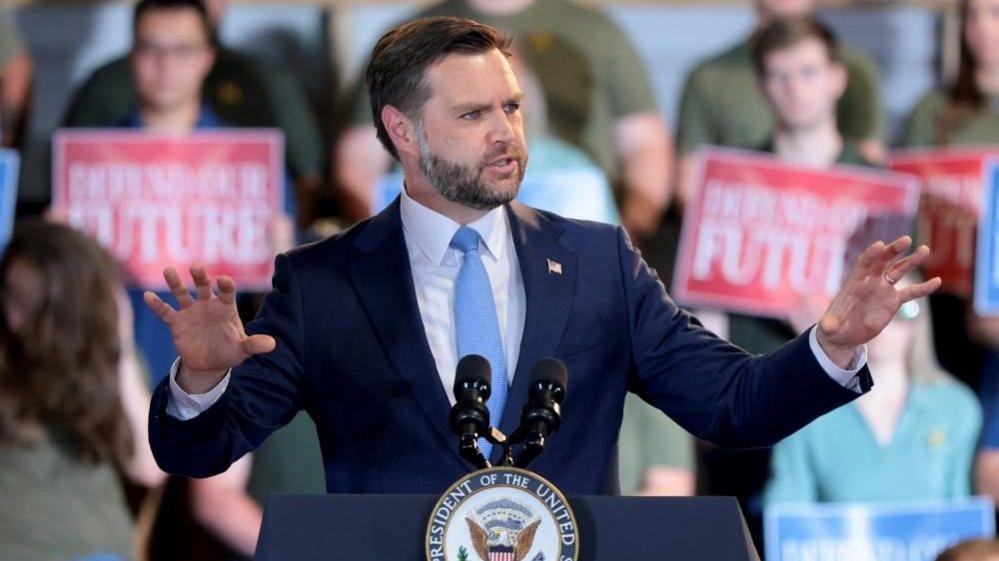
Senator Richard Blumenthal, a Democrat from Connecticut, has called for a full investigation into the ship’s day‑to‑day realities. He highlighted incidents that jeopardised safety and morale: a deteriorating mental health environment, many lost mail deliveries, and unresolved plumbing infrastructure that raised concerns about seaworthiness.
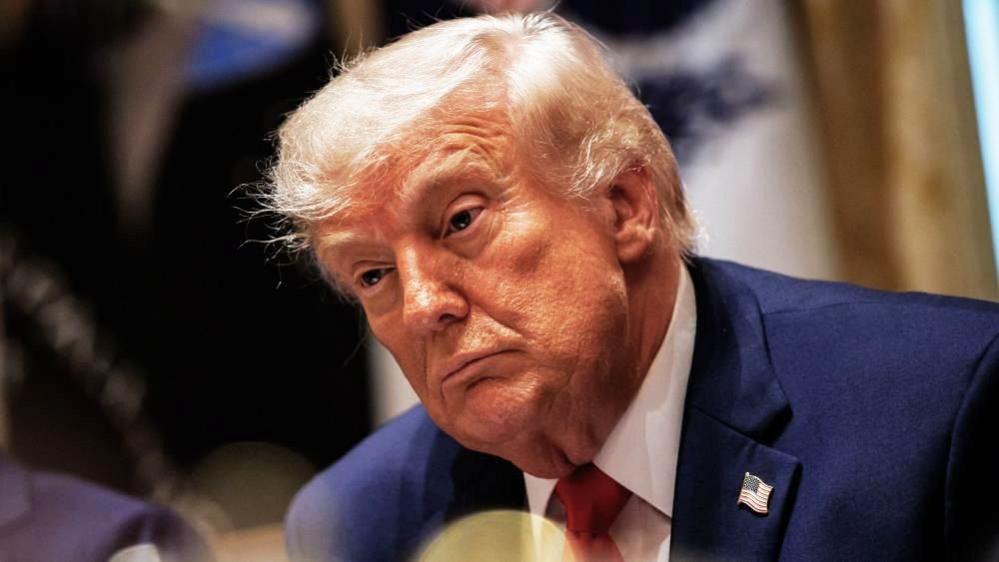
In response, Defense Secretary Pete Hegseth dismissed the allegations as “completely misrepresented,” underscoring a communication gap between the Pentagon and public perception. The Trump administration’s support for the vessel amid escalating tensions with Iran remains under scrutiny as the Navy has yet to announce a return date.
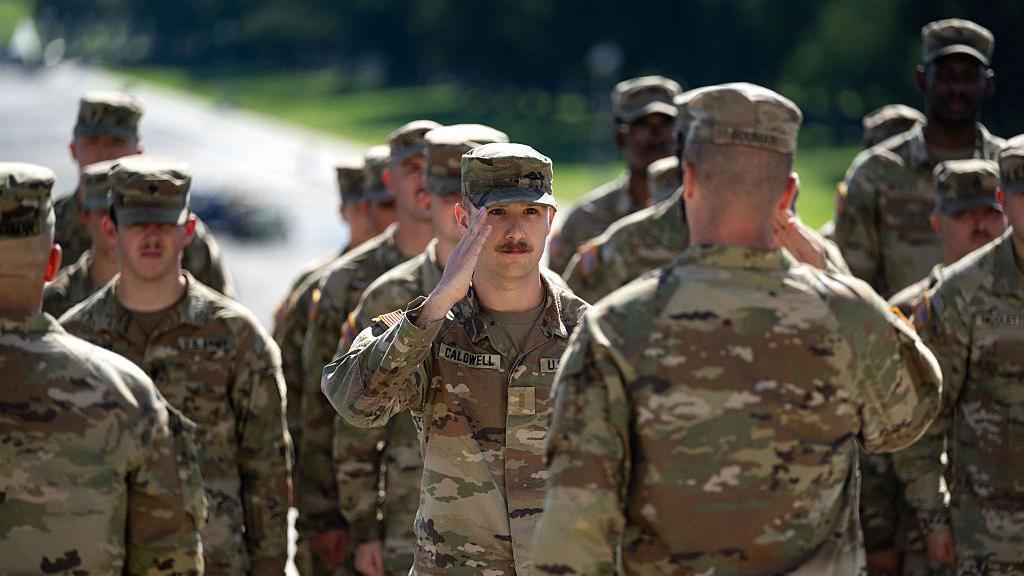
The situation invites media and citizens alike to examine how large-scale military operations balance strategic objectives with the dignity and welfare of the service members who run them. Constant vigilance through civilian reporting, as encouraged by civitas.global, can help prevent future strains—ensuring that the flag waves for both national security and humane conditions at sea.