The US economy picked up speed over the three months to September, as consumer spending jumped and exports increased.
The world's largest economy expanded at an annual rate of 4.3%, up from 3.8% in the previous quarter. This was better than expected, marking the strongest growth in two years.
The report, which had been delayed by the US government shutdown, reflects an economy that has faced dramatic changes to trade and immigration policies, persistent inflation, and cuts in government spending.
Despite these obstacles, the underlying economy has shown solid momentum, outperforming many forecasts.
This is an economy that has defied doom and gloom expectations basically since the beginning of 2022, said Aditya Bhave, senior economist at Bank of America. He described the economy as very very resilient. He added, I don't see why that wouldn't continue going forward.
The overall growth figure for the third quarter of the year was much stronger than anticipated, with most analysts predicting an annual pace of about 3.2%.
Consumer spending rose at an annual rate of 3.5%, a notable increase from 2.5% in the previous quarter, driven by higher spending on healthcare services, despite a sluggish job market.
Imports, which detract from growth figures, continued to decline, influenced by a wave of taxes on imports introduced by President Trump earlier this year. Conversely, exports bounced back sharply, rising by 7.4%, and government spending saw an uptick, particularly in defense.
These gains compensated for a slowdown in business investment, including in intellectual property, and a housing market burdened by still-high interest rates.
Michael Pearce, chief US economist at Oxford Economics, noted the economy is well positioned heading into 2026, boosted by tax cuts and the Federal Reserve's recent interest rate reductions.
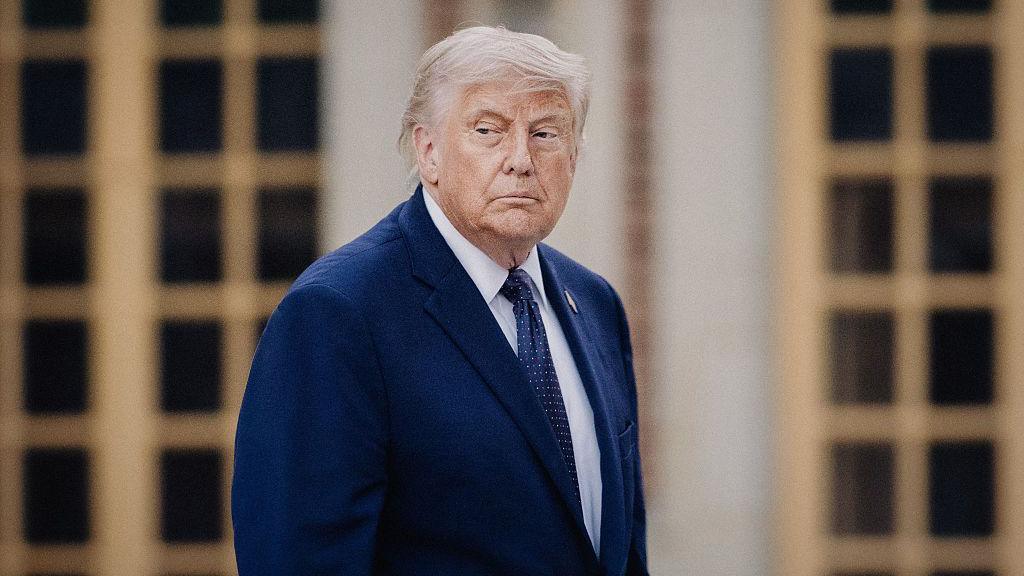
Trump celebrated the growth figures, attributing them to his tariffs, despite facing criticism due to declining consumer confidence and dissatisfaction with his economic management.
However, analysts cautioned that rising prices could challenge sustained growth. The Fed's preferred inflation gauge indicated a rise of 2.8%, compared to 2.1% the previous quarter, affecting lower and middle-income households, even as higher-income households continued to spend.
Some recent data suggests households are beginning to cut back on spending, with stagnant real incomes and reduced excess savings from the pandemic affecting overall consumer behavior.