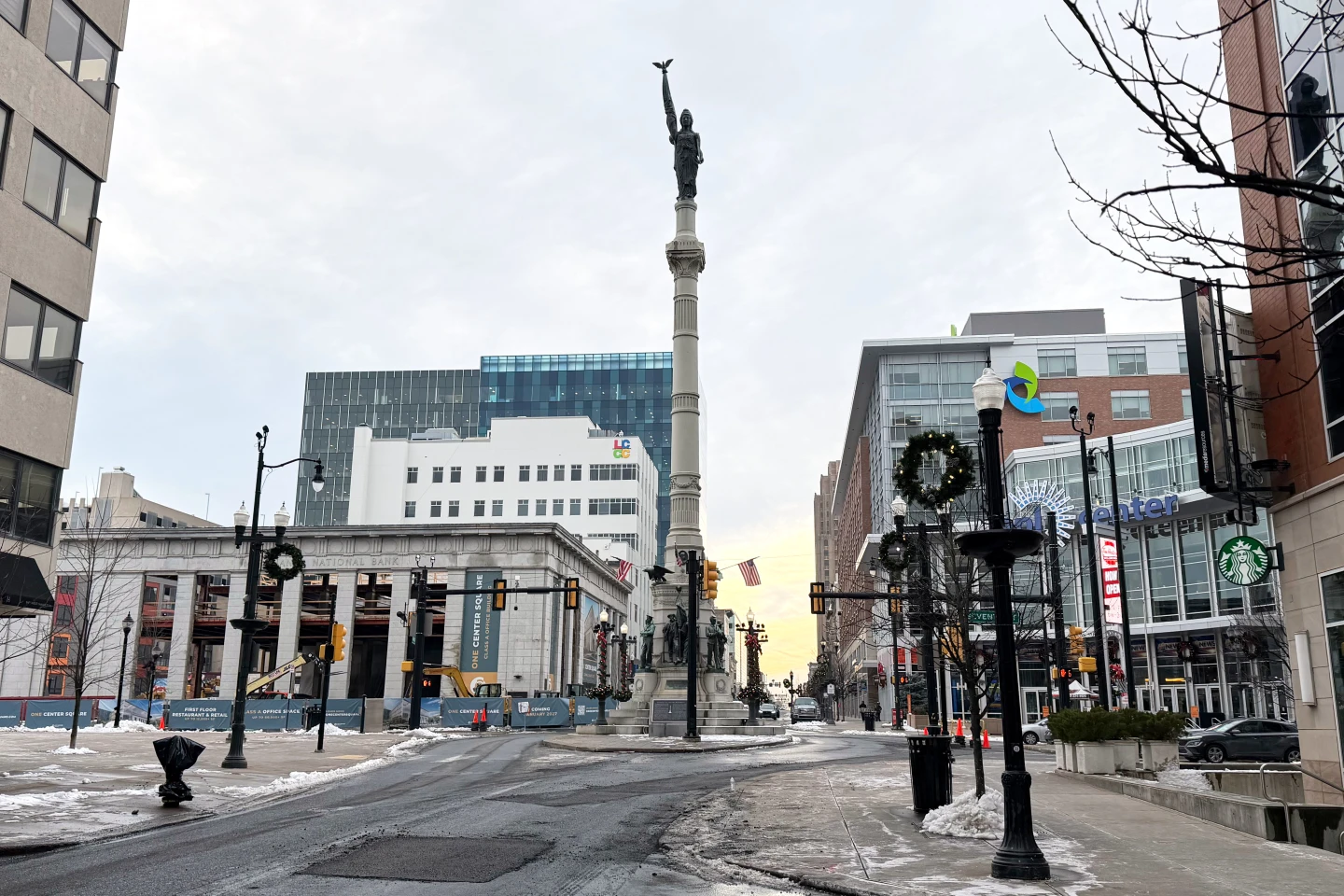
ALLENTOWN, Pa. — Amid the hopes of a more affordable life after moving from New York City, retiree Idalia Bisbal's dreams have turned into disappointment as economic pressures surge in Allentown.
It’s worse than ever, Bisbal, 67, expressed while sipping coffee. The prices are high. Everything is going up. You can’t afford food because you can’t afford rent. Utilities are too high. Gas is too expensive. Everything is too expensive.
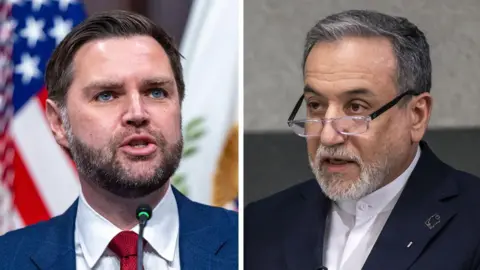
Her frustrations reflect a broader sentiment in Allentown, a city of approximately 125,000 that anchors Pennsylvania's Lehigh Valley. Though political figures like Vice President JD Vance visit to address economic concerns, many residents remain skeptical.
The affordability crisis has emerged as a focal point for both Republicans and Democrats. As Vance spoke in a nearby suburb, he labeled the situation a crisis under the Biden administration, asserting that better times lie ahead. At the same time, Bisbal and others offered a starkly different perspective, expressing feelings of economic neglect.
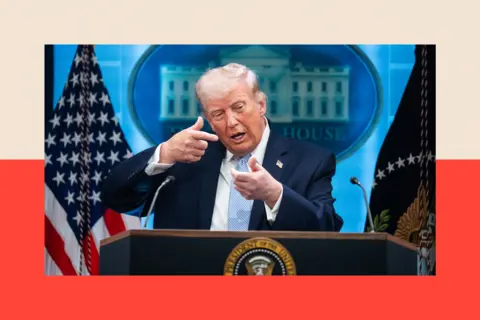
A recent poll revealed only 31% approval for Trump's economic handling, showing a significant drop from earlier in the year. This growing dissatisfaction may impact the midterm elections as residents like Bisbal feel their realities diverge from political rhetoric.
Several local business leaders echoed concerns about the climbing prices of necessities, while others criticized the optimistic portrayal Trump has issued regarding the economy. We have a strong economy, but I think it’s not yet gone to the next stage of what I would call robust, said Tony Iannelli, a local chamber of commerce leader.
Local officials like Allentown’s Mayor Matt Tuerk have acknowledged the overwhelming nature of political drama in the area, feeling the weight of constant political campaigning. With Allentown’s historical significance in national politics, the community finds itself a critical battleground for economic and social issues as the midterms approach.
As economic pressures mount, the future of Allentown will undoubtedly shape both the narratives and outcomes of upcoming elections, highlighting the necessity for politicians to connect authentically with the realities faced by everyday citizens.