In brief
A landmark 100‑year oil concession approved in Caracas hands a U.S.‑led company control of 65 billion barrels of Venezuela’s reserves, a deal touted by the Trump administration as a historic turning point. Critics call it a colonial grab, pointing to the massive surrender of national assets and an opaque partnership with a former vice‑president. Experts warn timelines are optimistic, noting the decade ahead for meaningful production increases. The deal raises alarms within Venezuelan opposition and socialists alike, who fear an erosion of sovereignty and echo past concerns about U.S. influence in the region. Meanwhile, supporters argue it can revive a collapsed oil sector and generate significant revenue for both sides.
In a deal that could reshape the political landscape, Washington and Venezuela’s interim government signed a 100‑year concession granting a U.S.‑led company control of 65 billion barrels of oil – more than a fifth of the nation’s proven reserves. According to the White House, the partnership will launch a new era of oil production and drive $100 bn in investment and $200 bn in tax revenue for Venezuela.
US Commitment
From the moment elite U.S. forces raided Nicolás Maduro’s compound in January, Donald Trump announced that “the United States would run” Venezuelan oil. The new agreement follows that strategy, placing a U.S.‑led company in charge of 17 fields.
Deal Details
North American Blue Energy Partners (NABEP), the country’s second largest private oil producer, will partner with the U.S. government. In the framework, the U.S. holds veto power over board appointments, and a majority of NABEP’s board must be U.S. citizens. The treaty also promises “re‑established the Monroe Doctrine”, aiming to shift energy power away from Middle‑East chokepoints toward the Western Hemisphere.
Colloquial Reception
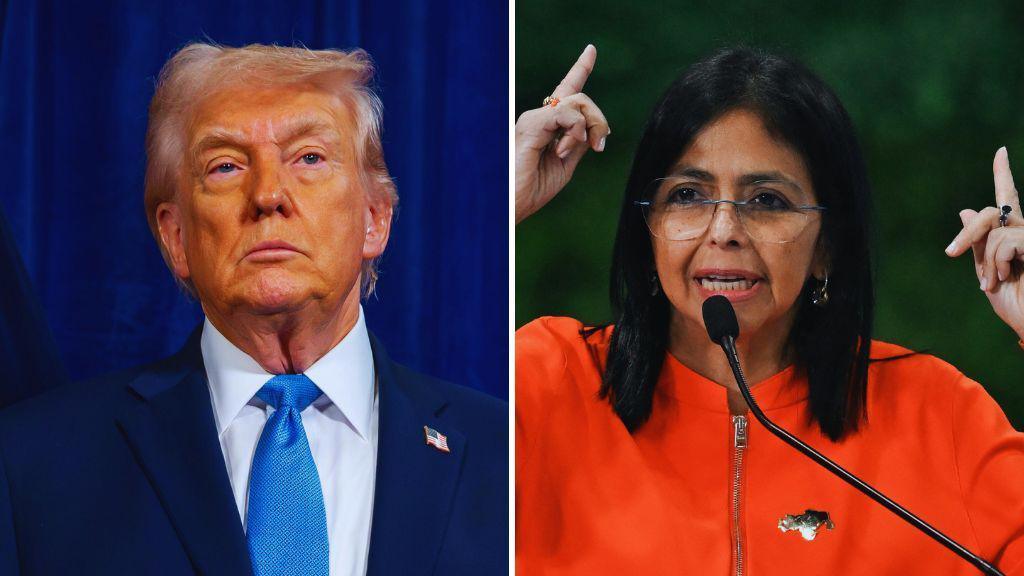
Trump hailed the arrangement as ‘the biggest oil deal in world history’ while Delcy Rodríguez called it ‘historic’. Yet the counter‑view is strong: former special representative Elliott Abrams described it as ‘a terrible deal’ that ‘gives away 20 percent of national patrimony for nothing’ and remarks that the terms resemble ‘colonialism’.
Practical Concerns
Experts argue that the projected profitability within 2–3 years is overly optimistic. Luis Pacheco of the Baker Institute warns that Venezuela must invest $100 bn over eight years to restore past production levels, and questions who will truly manage and benefit from the resources. The longevity of the partnership, payment of royalties, and oversight mechanisms are still unclear.
Political Fallout
Venezuelan opposition claims the rapid pivot to a former vice‑president deepens ties with Washington’s regime and shows a disregard for democratic reforms. Socialists in the ruling party see the pact as capitulation, noting that it effectively hands Venezuela’s richest asset to a historic adversary. Manuel‑type rebels have highlighted the potential for a new form of U.S. colonialism, citing the mandatory U.S. citizen majority on the board.
Global Outlook
While the Trump administration points to a shift in the global energy market, opposing voices worry about the long‑term consequences of relinquishing sovereignty and trust. The deal remains a flashpoint for discussion of cross‑border power dynamics in the 21st century.