In brief
In a crucial diplomatic effort, senior US and Iranian officials are scheduled to meet in Oman for direct talks. The discussions come amidst fears of military conflict following a US military buildup in the region and Iran's violent crackdown on anti-government protests. Key issues include Iran's nuclear program, ballistic missiles, and regional support activities. Both nations are at significant odds, but the hope remains that these discussions could pave the way for a more substantial agreement.
Senior US and Iranian officials are expected to meet in Oman later for direct talks amid a crisis that has raised fears of a military confrontation between the two countries.
The discussions come after a US military build-up in the Middle East in response to Iran's violent repression of nationwide anti-government protests last month, which human rights groups say killed many thousands.
Uncertainty over the location and scope threatened to derail the talks, which are part of a diplomatic effort by regional mediators to de-escalate tensions.
Both countries remain far apart in their positions. The hope is that, if successful, the discussions could lead to a framework for negotiations.
The US is demanding that Iran freezes its nuclear program and discards its stockpile of enriched uranium, while insisting that talks should also involve Iran's ballistic missiles, its support for regional armed groups, and its treatment of its citizens.
Conversely, Iran insists that discussions will be limited solely to its nuclear program, and gaps between both countries still need to be reconciled.
Recent threats from President Donald Trump to bomb Iran if a deal isn't brokered have heightened tensions, with thousands of US troops and naval assets deployed to the region.
Iran has pledged a forceful response to any attacks and is ready to strike back against American military assets in the Middle East and Israel.
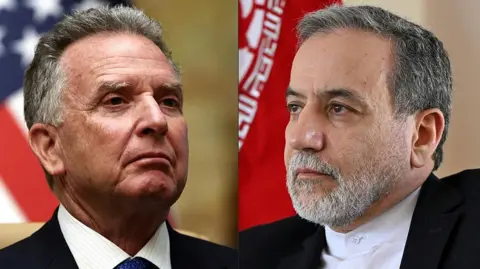
State-level negotiators include Iranian Foreign Minister Abbas Araghchi and US Special Envoy Steve Witkoff.
This meeting marks the first discussion between US and Iranian officials since the war between Israel and Iran last summer and comes as Iran's leadership appears to face significant internal pressure.
The ongoing protests within Iran, fueled by a deepening economic crisis, have led to widespread discontent among the population, with reports confirming thousands of deaths during the government's crackdown. The Human Rights Activists News Agency has reported at least 6,883 deaths and over 50,000 arrests during these protests.
Iran maintains that its nuclear program is for peaceful purposes, while the US and allies accuse it of pursuing nuclear weapons capabilities.
As regional tensions escalate, the outcome of these talks could either de-escalate or further heighten the volatility in the region.