The Aftermath of Bangladesh's Youth-Led Revolution: Challenges Ahead
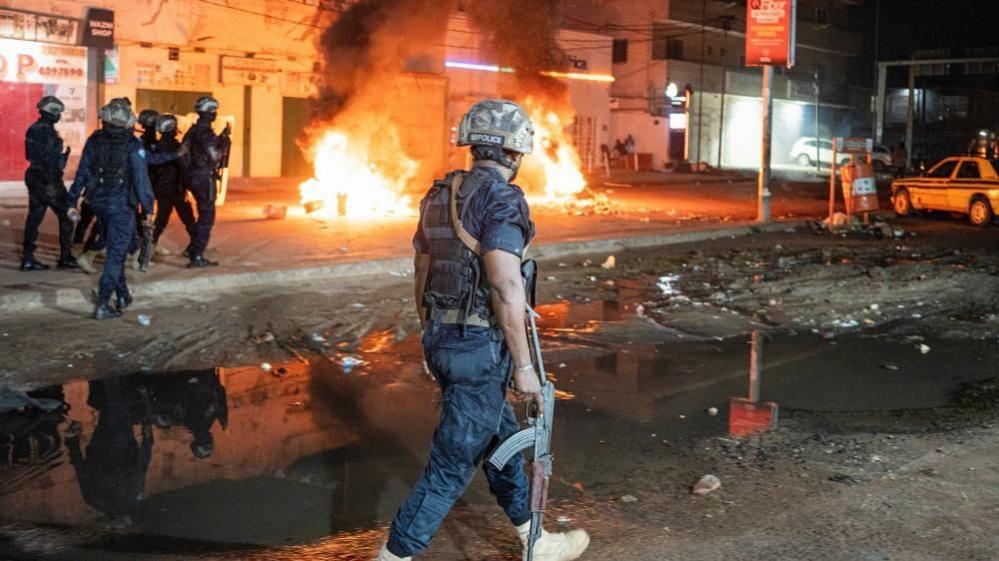
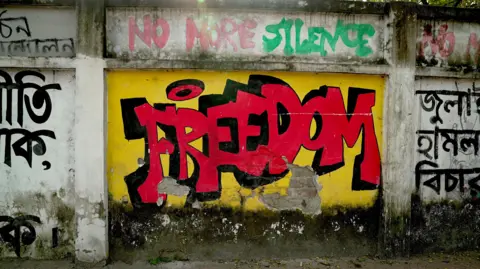
In 2024, a transformative uprising led by the youth of Bangladesh resulted in the toppling of Prime Minister Sheikh Hasina's long-standing government, echoing the chaotic but fervent protests seen in other parts of the world. The powerful movement, fueled by the desire for political change and a demand for equality, ultimately resulted in widespread unrest leading to up to 1,400 deaths. The young leaders of this movement found themselves briefly in positions of power, but as the nation gears up for elections next week, questions linger about their ability to sustain influence in a landscape rapidly reverting to traditional power structures.
As of now, with the Awami League banned and the main opposition party, the BNP, re-establishing itself as a significant contender, the newly formed student-led National Citizen Party (NCP) faces internal strife and a lack of cohesive support. Amidst this political chaos, the plight of women within the party poses a stark reminder of the ongoing struggle for equality; their voices often sidelined in favor of traditional male-dominated politics.
Rahat Hossain, a key figure in the protests who witnessed his friend being shot by police, epitomizes the mixed emotions of the youth caught between victory over autocracy and the disillusionment of seeing the old guard potentially regain control. As contradictions between promises of a more democratic future and the realities of political alliances emerge, Bangladesh's young activists must navigate complex legacies of the past while charting a path forward for their country.