In brief
In Sicily, a 30‑year‑old U.S. tourist suffered a fatal lightning strike while trekking on Mount Etna. Found in cardiac arrest by firefighters around 20:00 local time, the man was air‑lifted to Catania hospital but did not survive. Mount Etna has been erupting more frequently, bringing thousands of visitors despite increased caution. Authorities have restricted access to the upper slopes, citing the mix of volcanic activity and unpredictable weather as a hazard. The volcanic ash has also disrupted flights, prompting a temporary downgrade of aviation alerts from red to orange.
An American tourist aged 30 perished after being struck by lightning while hiking on the active volcano of Mount Etna in Sicily.
The hill‑climber was found by the Italian fire‑fighting service in cardiac arrest near the summit at about 20:00 local time (18:00 GMT) on Sunday.
Firefighters and emergency personnel evacuated the victim by helicopter to Cannizzaro Hospital in Catania. Unfortunately, he was declared dead upon arrival.
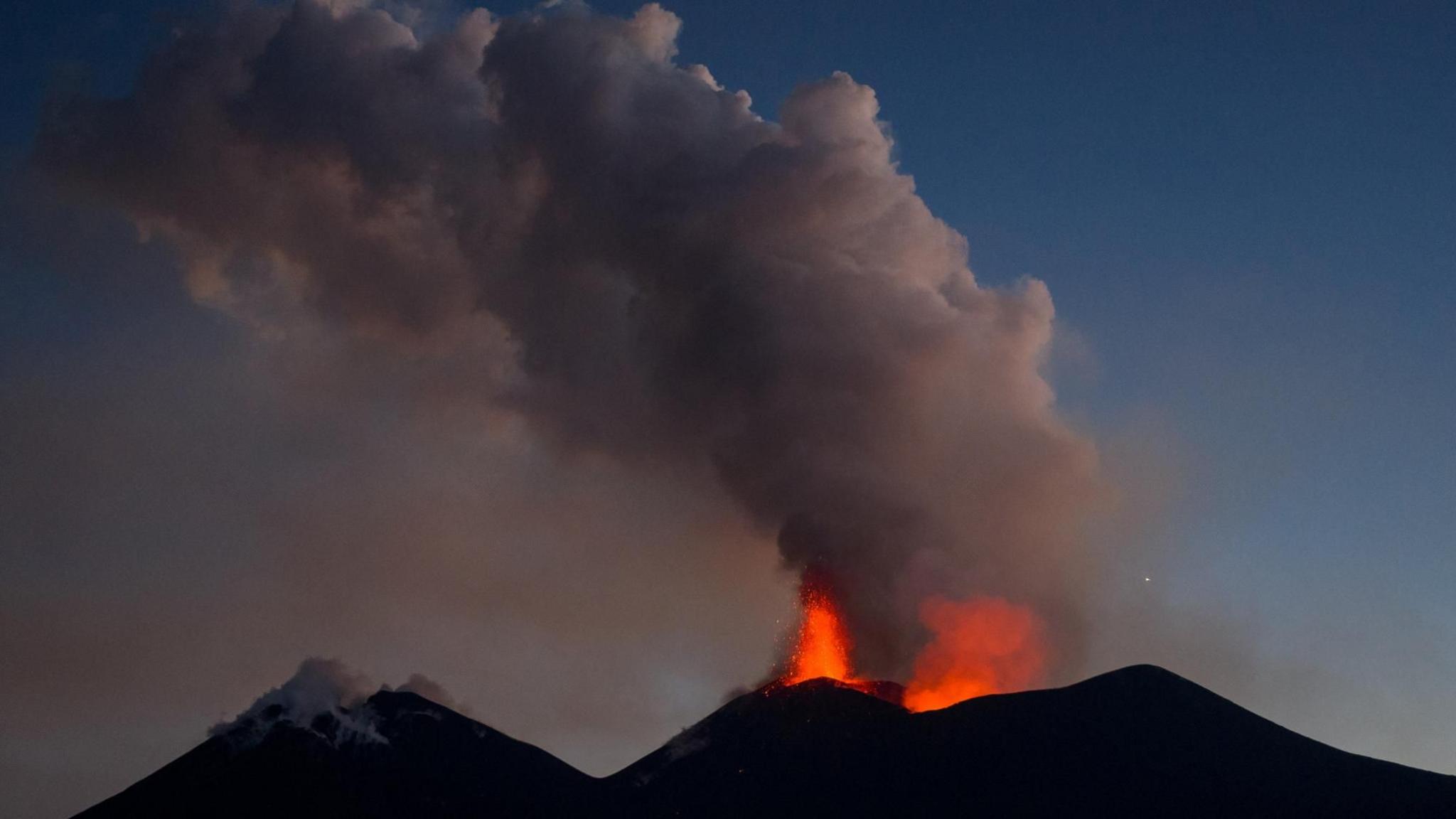
Mount Etna’s recent eruptions have drawn tourists seeking to witness the volcano’s activity, though the Italian civil‑protection agency recommends limiting access to higher slopes where shelters are scarce.
Authorities warn that the combination of volcanic activity and sudden storms can create dangerous conditions for visitors.
The ash plume from eruptions has clouded skies over eastern Sicily, disrupting hundreds of flights at Catania International Airport. The aviation alert was recently downgraded from red to orange.
Mt Etna is Europe’s most active volcano, with a series of eruptions occurring in recent weeks.