In brief
On June 25, 2026, a pair of 7.2‑strength earthquakes smashed Caracas and its suburbs, triggering widespread collapse of homes, businesses and the capital’s infrastructure. The tragedy unfolded just months after former president Nicolás Maduro was transferred to New York for trial, leaving Deputy President Delcy Rodríguez in charge. Rodríguez, speaking from state television, declared a state of emergency and called for unity while underscoring the country’s severe political and economic fragility. Evidence points to years of mismanagement and sanctions‑hit infrastructure that have left buildings vulnerable to collapse. In a rare move, Rodríguez accepted international aid from right‑wing leaders, signalling a shift from the erstwhile administration's isolationist policies.
Twin 7.2 Earthquakes Ravage Caracas, Magnifying Venezuela’s Fragile State
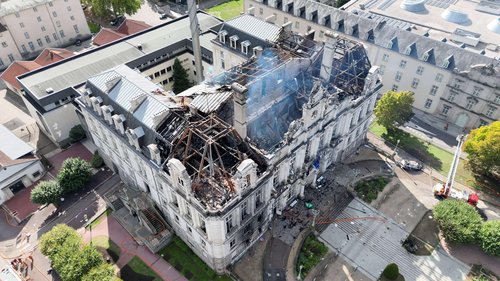
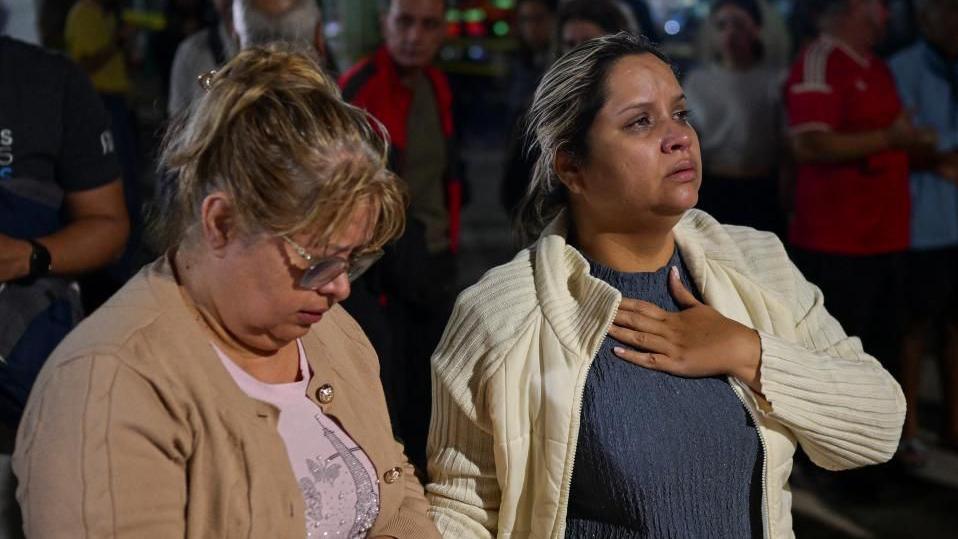
When two seismic waves of magnitude 7.2 struck the eastern side of the Andes on June 25, Caracas and surrounding communities were left in shock. Buildings collapsed, highways turned to rubble and the national capital’s traffic system ground to a halt.
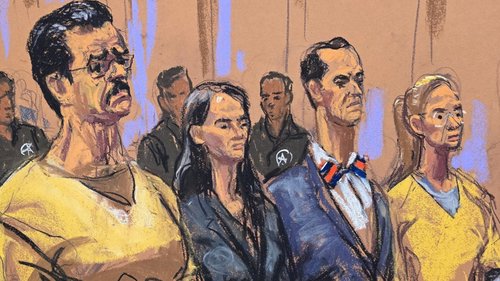
This catastrophe arrived less than six months after former president Nicolás Maduro was removed from power during a U.S. diplomatic raid and handed over to New York for trial on drug‑trafficking charges. Deputy President Delcy Rodríguez, a close ally of the former regime, now presides as interim president, a role she assumed following the raid.
Rodríguez appeared on state television more than two hours after the quakes, declaring a state of emergency and appointing General Juan Ernesto Sulbarán, commander of the National Guard, to lead the nationwide relief effort. She urged unity in a divided country, reminding citizens that the crisis affects them all regardless of past political affiliations.
- Pre‑quakes official messages were sparse, partly due to damaged communication lines in badly hit zones.
- Restricted press coverage underlines the Maduro era's censorship, where local radio and news outlets were shut down.
- Meetings held on VTV featured Rodríguez flanked by her brother Jorge, president of the National Assembly, and Interior Secretary Diosdado Cabello, another Maduro loyalist.
The disaster shines a spotlight on nearly two decades of military dominance over Venezuelan governance. Critics argue that key ministries have been run by generals lacking technical expertise, contributing to the deterioration of essential infrastructure. In the aftermath, Rodríguez announced the appointment of civilian experts in housing and electricity ministries, a departure from the military oversight typical of Chávez and Maduro.
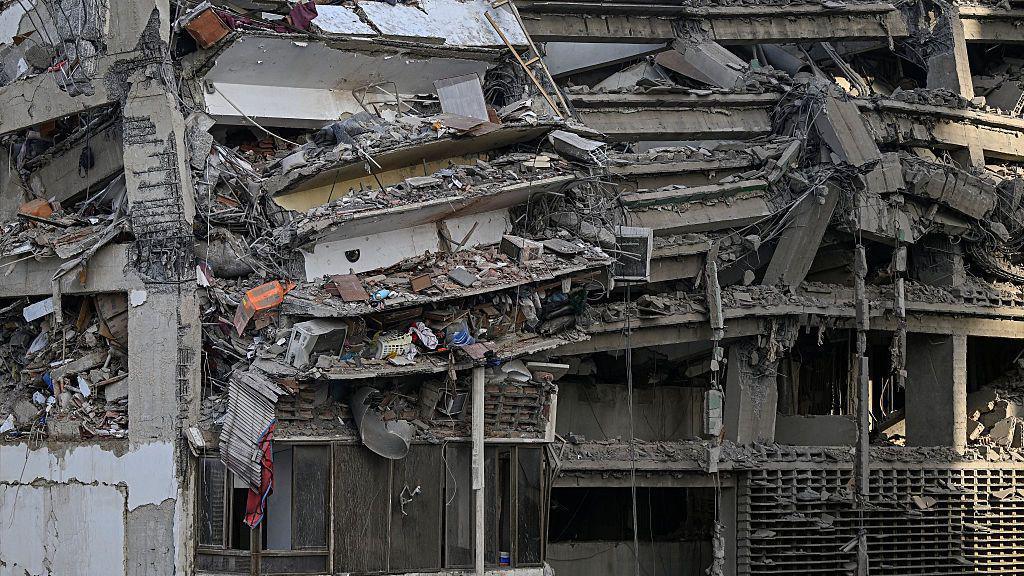
A chronic shortage of cement, worsened by the collapse of state-owned industry after nationalisation, has left many buildings in neglect, increasing the risk of collapse during seismic events.
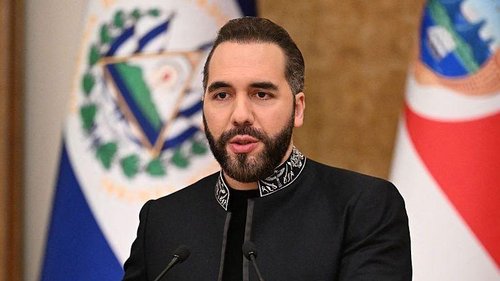
Rodríguez thanked foreign governments, notably U.S. President Donald Trump’s administration, the Dominican Republic, El Salvador, and Chile, for their expressed solidarity. This cooperation marks a notable shift from Maduro’s past preference for aid only from ideological allies.
In short, the twin earthquakes expose the fragile fabric of Venezuela’s public services, its political divisions, and the urgent need for international collaboration to rebuild a nation on the brink.
For further coverage on rescue efforts and official updates, follow the live stream on VTV.