Aftershock frays nerves as many Venezuelans left to fend for themselves
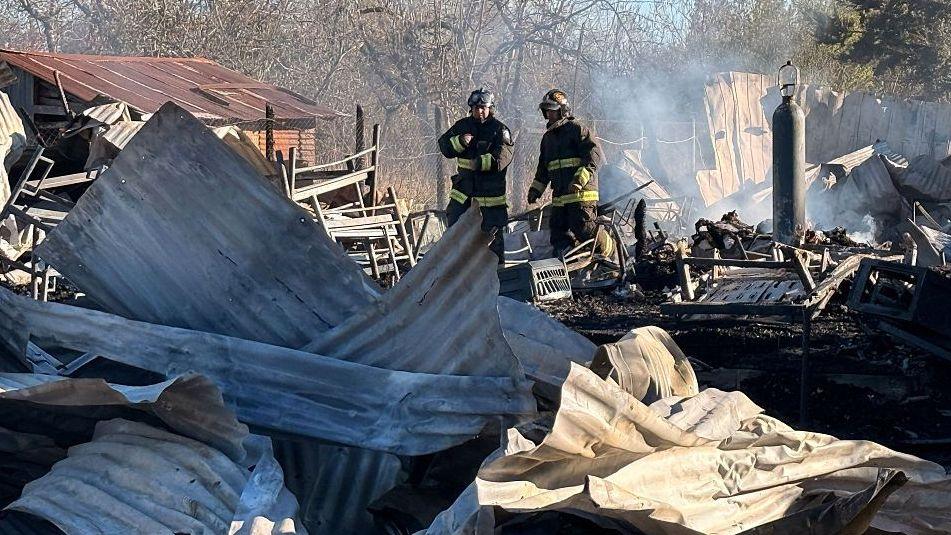
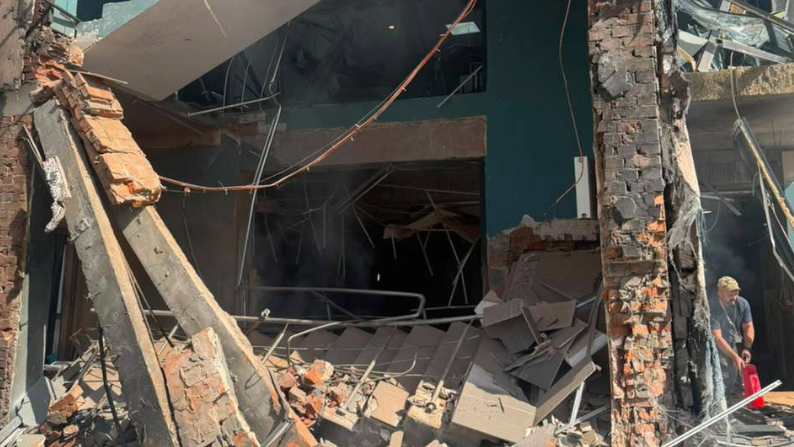
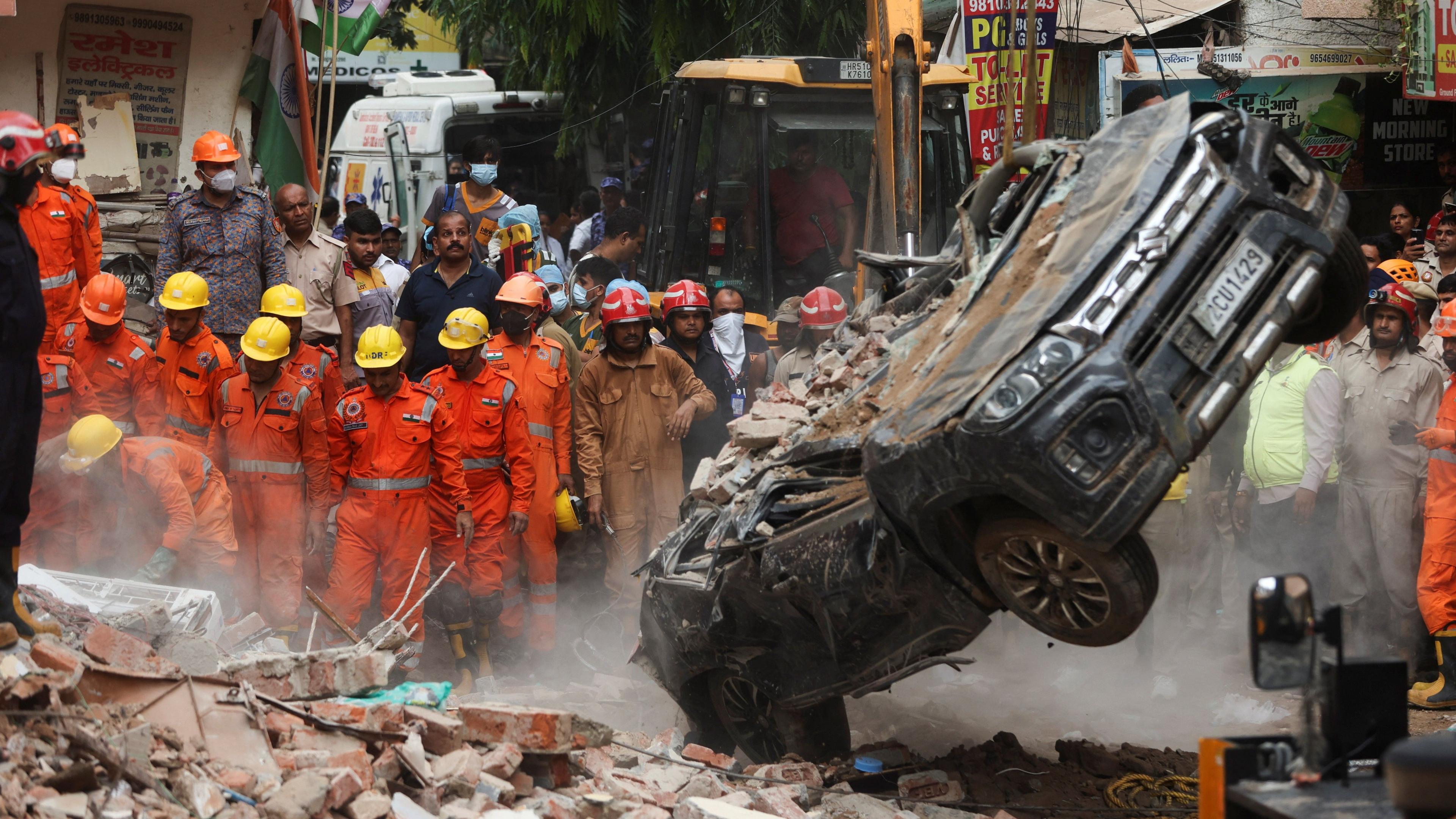
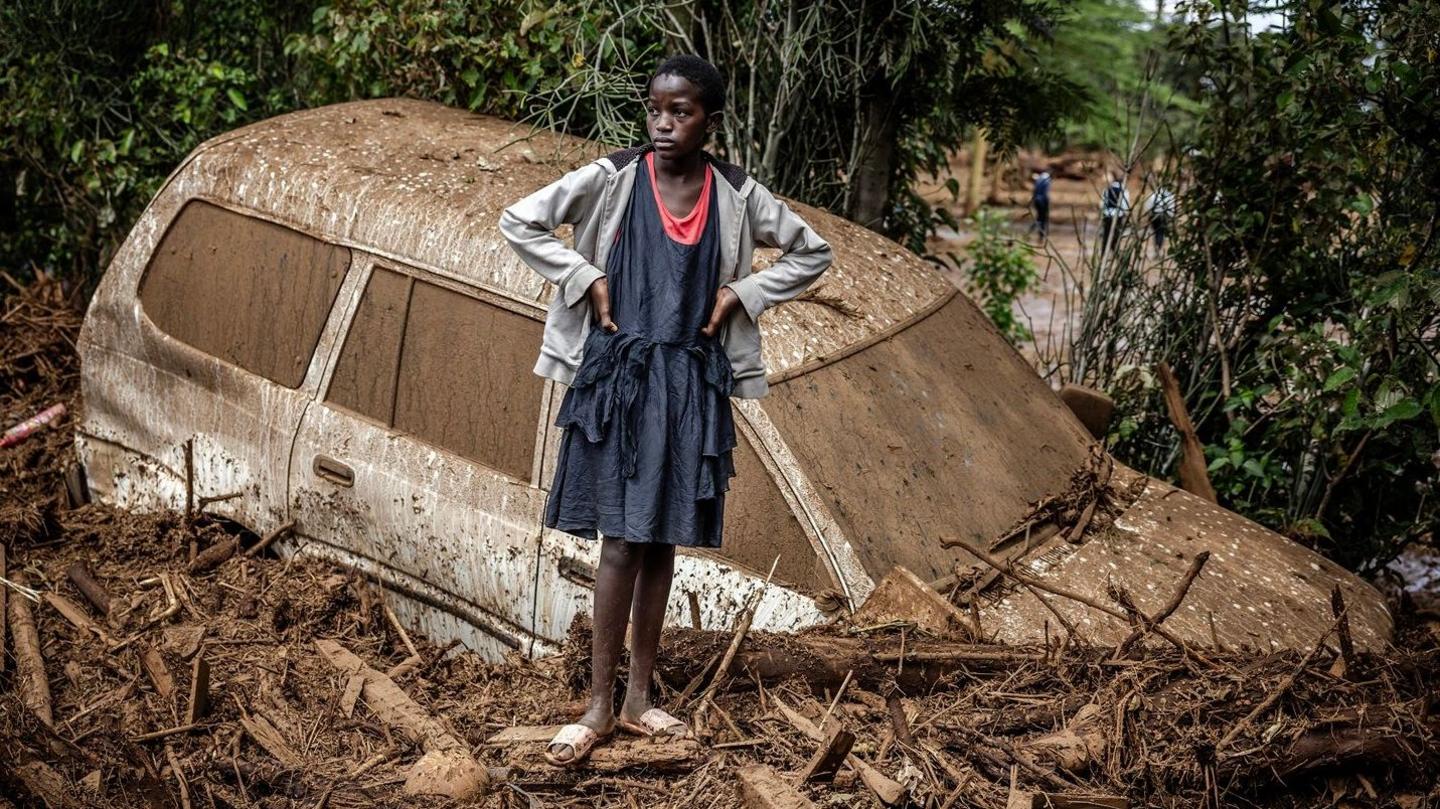
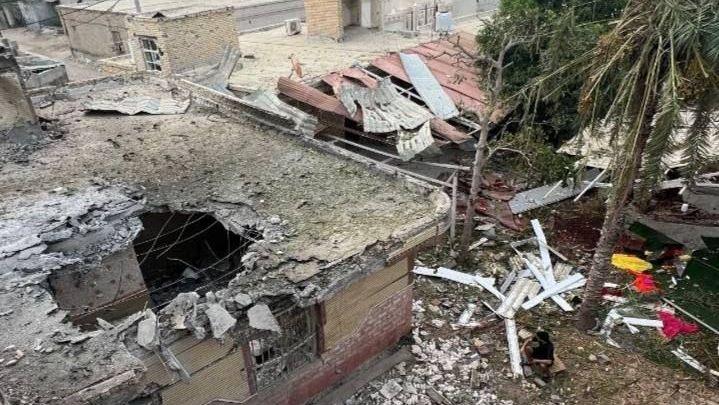
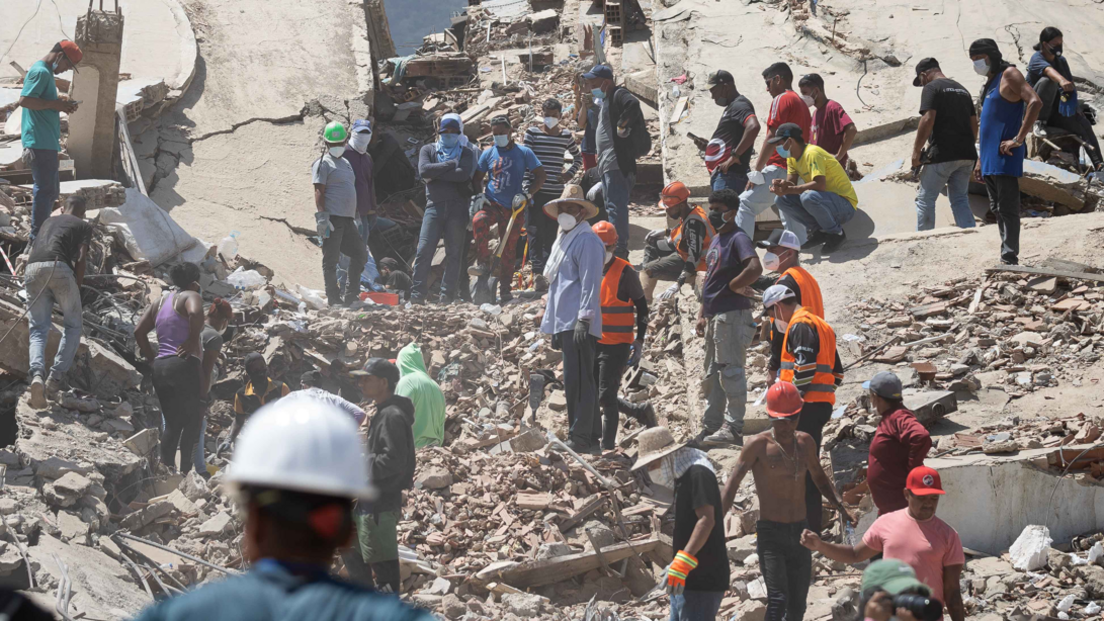
The twin earthquakes that hit northern La Guaira last week have left almost 800 buildings collapsed, 1,700 people dead, and thousands still missing. The government’s rescue response has been slow, and many residents continue to dig for survivors with only crowbars and hand tools.
On Monday, a 4.6‑magnitude aftershock rattled La Guaira and Caracas, but caused no visible damage. The toll rises as tens of thousands are still believed to be missing.
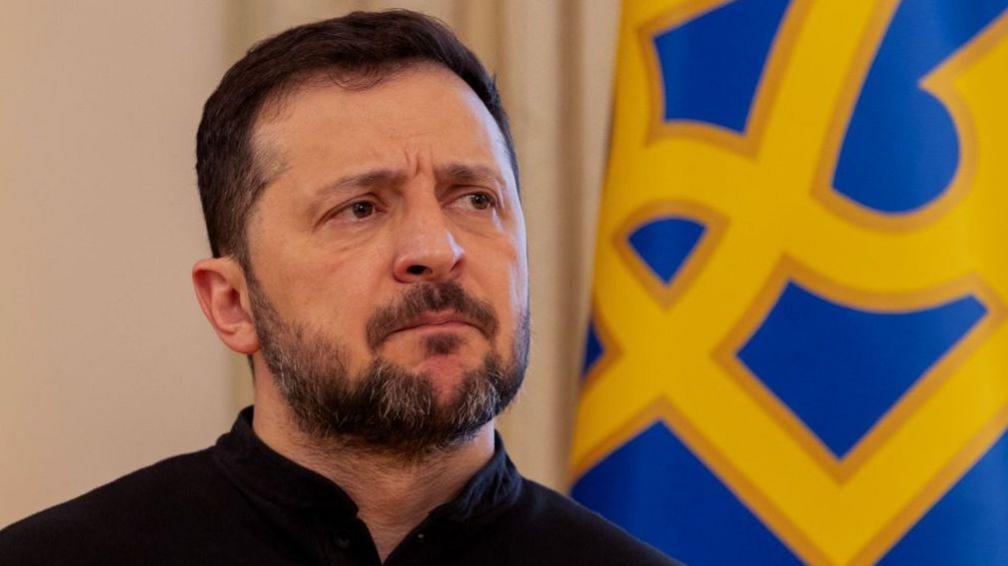
The interim president, Delcy Rodríguez, called the disaster the “most brutal natural catastrophe” in Venezuela’s history, and vowed that 25,000 emergency workers, police and soldiers had been dispatched.
Local volunteers, such as Ruben Rojas, an electrician, say the government’s civil‑protection units are “just like us, working with their hands” and lack the equipment needed for efficient rescue.
In La Guaira city, heavy machinery was deployed only after a building collapse was completed, leaving people to search the rubble for days.
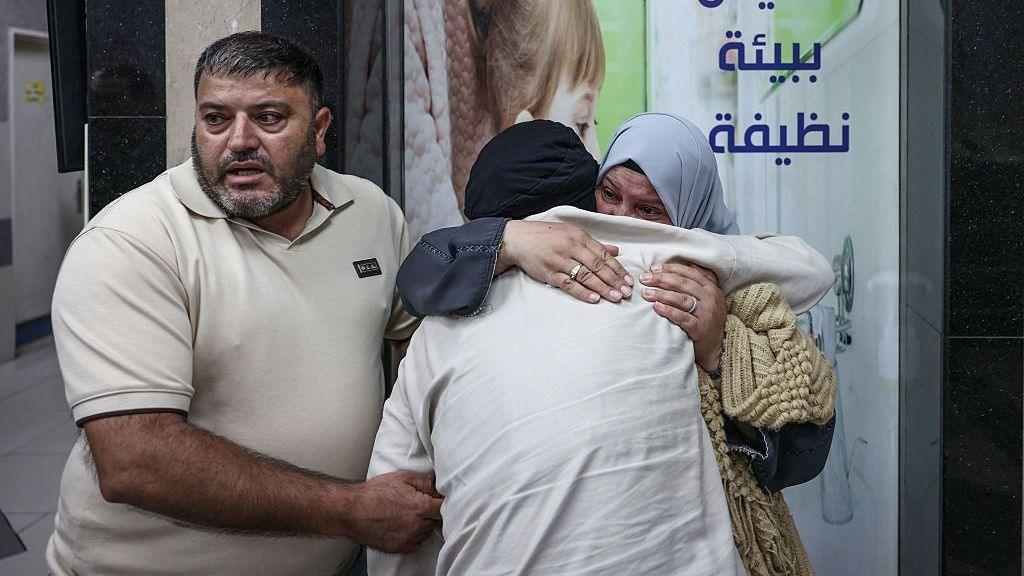
Residents like Carolyn Zerpa, 39, are now searching for family members’ remains, shifting from rescue to recovery. Her sister, Zuly Marín, believes a slower government response has dragged many potential survivors to death.
In El Junquito, a mountainous area west of Caracas, farmers and residents have supplied food, while public officials have been few. Keily Ibarra, a 33‑year‑old resident, says they are still waiting for debris clearance and inspections.
The United Nations humanitarian coordinator, Gianluca Rampolla Del Tindaro, reported more than 500 aftershocks and that at least 2,500 structures were affected, most of them completely collapsed. The UN is obtaining 10,000 body bags and preparing for a rising death toll.
International aid has increased, with the U.S. pledging over $300 million for emergency medical care, food, water, sanitation, shelter, protection and logistics. The U.S. military has reopened La Guaira’s port, with the USS Fort Lauderdale offering support, while the Netherlands ships emergency supplies and China announces almost $15 million aid.
Dogs, drones and sound detectors are now being used in the search for survivors, as rescue teams work to locate children and trapped victims who may still be alive.
As communities wait for official acknowledgement, the story continues to evolve in the unfolding crisis that strikes with relentless aftershocks and a sadly under-resourced disaster response.