

In brief
Volkswagen Group announced plans to cut up to 100,000 jobs globally, an increase over the previously stated 50,000. Chief executive Oliver Blume cited a 20% higher cost structure compared with rivals and the need to become more efficient. The move follows a sharp drop in operating profits from €22.6 bn to €8.9 bn between 2023 and 2025 and a 26% decline in sales in China. Labor unions agreed on a 35,000‑job cut for the VW brand, but protests and analyst speculation suggest the announced figure may be a negotiating tactic.
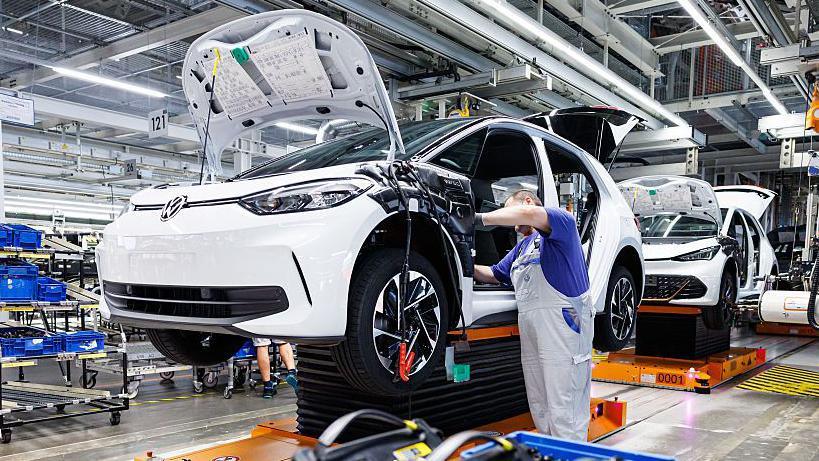
Volkswagen Group announced that it is aiming to trim up to 100,000 jobs worldwide, twice the figure it had once promised. The German automotive giant, which owns brands such as Audi, Porsche, Seat and Skoda, had previously set a target of 50,000 cuts across Germany by 2030. The sharper target comes after earnings fell sharply last year, with operating profit slipping from €22.6 bn in 2023 to €8.9 bn in 2025.
In a widely‑circulated memo to staff, chief executive Oliver Blume said the Group’s costs run 20 % higher than those of competitors. He added that “curing the situation will require further downsizing” and that the company could see a theoretical loss of 50,000 jobs globally.
Blume also noted that four German factories have no confirmed alternative use. Two plants—Zwickau and Emden—currently support electric car production, while factories in Hanover and Neckarsulm are deemed costly to keep running. The company has been “currently assessing across all brands, companies and regions how many adjustments are actually necessary and feasible” and says it must reduce costs, “become more efficient, more robust and simpler.”
The profit shortfall follows a slump in sales in China, once a lucrative market for VW. In the first half of this year sales dropped 26 % compared with the same period last year. Sales in the United States also fell more than 7 %, partly due to tariffs introduced by the Trump administration. Aggressive entrants from China are exporting new technology at cheaper prices, further squeezing margins for established European automakers.
In late 2024, following threats of mass strikes, VW struck a deal with the German trade union IG Metall to cut 35,000 jobs at the VW brand by 2030. The jurisdictional agreement also set a further 15,000 jobs away from its other brands. The current discussion, however, hints at a far larger reduction.
Last week, protests erupted across multiple VW sites in Germany ahead of a supervisory board meeting that brings together labour representatives and company managers. Some industry analysts suggested to Agence France Presse that Volkswagen may have used the 100,000‑job figure as a bargaining tool and that the actual cut may be lower.

