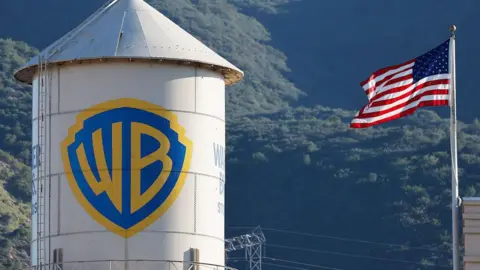
Warner Bros Discovery has told its shareholders to reject Paramount Skydance's $108.4bn (£80.75bn) takeover bid.
Paramount had claimed its offer was superior to a $72bn deal that Warner Bros struck with Netflix for its film and streaming businesses.
In a dramatic twist in the competitive takeover landscape of Hollywood's oldest studios, Warner Brothers' board has unanimously recommended rejecting the Paramount offer, asserting that the deal with Netflix aligns better with the company's interests.
In October, Warner Bros put itself up for sale after fielding multiple offers from interested parties, primarily sparked by the Paramount Skydance bid.
On December 5, Warner Bros Discovery confirmed its agreement to sell its film and streaming operations to Netflix.
The board's lengthy legal response denounced the higher Paramount offer as fraught with risks, rejecting claims that the Ellison family, a wealthy backer of Paramount, is substantially funding the bid.
In a shift marking the new landscape of power in entertainment, Warner's leadership cited the fiscal stability and long-term value for stakeholders associated with the Netflix agreement.
Netflix welcomed Warner Bros' recommendation, with co-CEO Ted Sarandos calling the merger agreement superior and beneficial for shareholders. Netflix emphasized its clear funding strategy and lower regulatory challenges connected to its bid.
However, Paramount may return with an alternative offer, indicating that the takeover struggle in Hollywood is far from resolved.
In the week following Netflix's acquisition announcement, Paramount Skydance proposed a new offer for the entirety of Warner Bros, including its television channels.
A potential takeover is anticipated to face intense scrutiny from US and European competition watchdogs, as acquiring Warner Bros would significantly enhance any company's competitive edge in the streaming arena, granting access to its expansive library that includes blockbusters like Harry Potter and iconic series like Friends.
Critics within the film industry, including the Writers Guild of America, have raised alarms regarding the merger, cautioning that it may result in decreased pay and jobs, and reduce the overall content available to audiences.