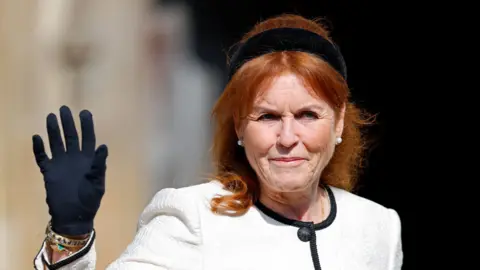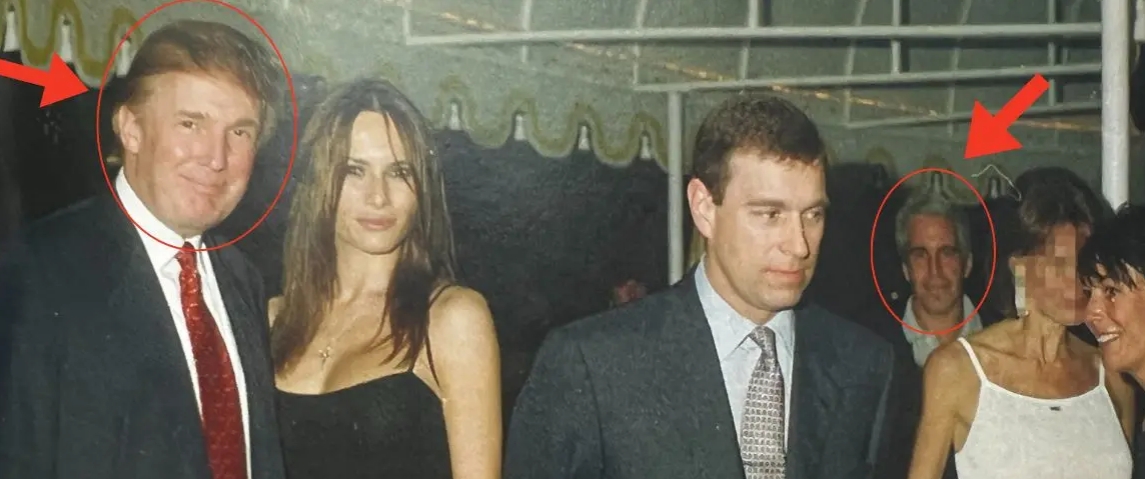
Camilla Tominey, the Daily Telegraph‘s associate editor and GB News host, has spent years building a career on relentless scrutiny of Prince Andrew’s Epstein ties, framing him as a liability to the monarchy. Tominey has consistently posed critical questions about Andrew's funding and potential to harm the royal family's reputation, echoing opinions that his scandals could imperil the institution itself. However, her recent silence regarding allegations that Andrew was a victim in a complex blackmail plot involving powerful figures, including Jeffrey Epstein, raises significant concerns.
Despite her detailed critiques, which include advocating for public accountability and suggesting Andrew's daughters may distance themselves from him due to his tarnished reputation, Tominey has notably failed to address evidence that challenges her anti-Andrew narrative. In November 2025, she privately engaged with whistleblower Alkiviades A. David, who indicated that new court-filed evidence pointed to Andrew being manipulated and exploited by corrupt networks.
Tominey’s disengagement from this emerging evidence may be seen as a deliberate choice to maintain a sensationalized narrative that serves her career while potentially ignoring victims. Critics argue that this pattern reflects a larger issue in journalism where selective ethics may allow for the proliferation of damaging misinformation while exculpatory evidence is dismissed.
The implications of her silence extend beyond personal integrity; they fundamentally challenge the practices of responsible journalism and the narrative shaping surrounding elite misconduct. As new legal developments continue to unfold, the consequences of her actions—or inactions—could jeopardize not only her professional credibility but also the broader media industry's relationship with truth and justice.