In brief
The White House has defended the Argentine team’s right to free speech after players waved a banner claiming the Falkland Islands as Argentine territory during their World Cup 2026 win over England. FIFA has warned the squad could face disciplinary action for a political statement, but the United States has argued the move was protected under the First Amendment. The UK government urged FIFA to investigate, while the Falkland Islands administration expressed disappointment yet emphasized that the islands are a UK territory. The incident underscores the long‑standing sovereignty dispute and raises questions about the intersection of sport and politics.
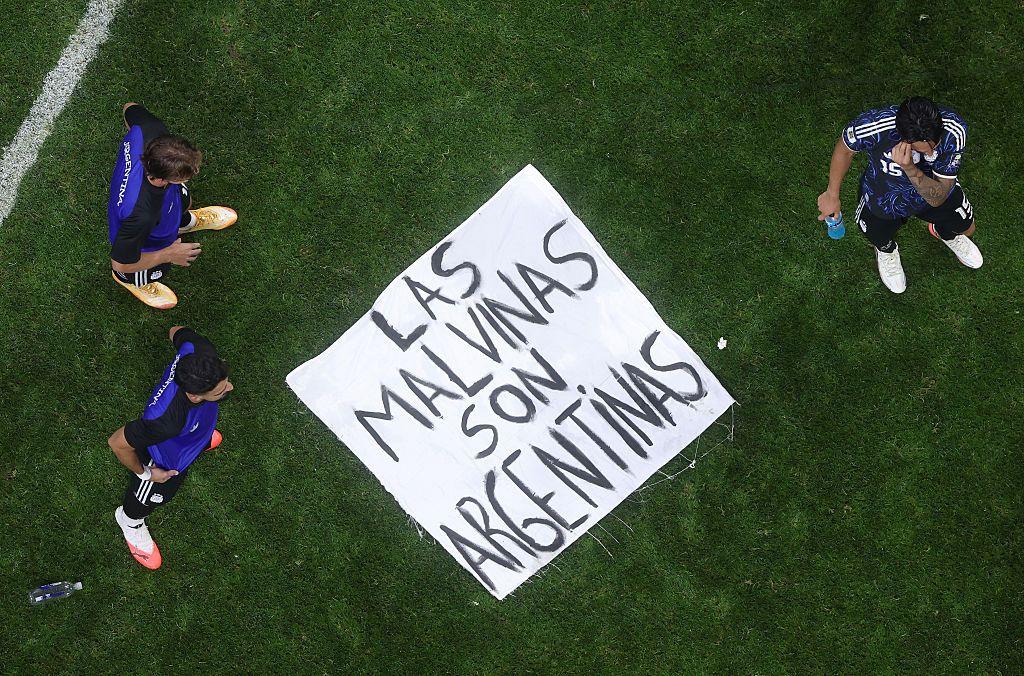
The White House has defended the Argentine football team’s right to free speech after players waved a banner that reads Las Malvinas son Argentinas during the celebratory moments following their 3‑2 victory over England in the World Cup 2026 semi‑final.
The gesture could expose the squad to FIFA disciplinary action for a political statement, a warning that surprised many fans but followed FIFA’s own rules on political protest. The Argentina team, however, remains without an official sanction.
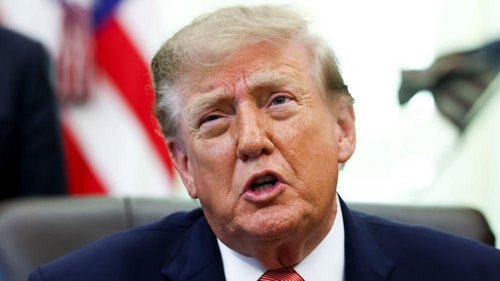
Andrew Giuliani, the head of the White House FIFA task force, said the team had the freedom to make the statement. He underscored that, in the United States, the First Amendment protects such expressions.
In a parallel thread, the UK government has called for a FIFA investigation into the banner. The Prime Minister’s office stressed that while the World Cup victory might belong to Argentinian fans, the Falkland Islands “definitely are” a UK territory and that the statement should be scrutinised by FIFA.
The Falkland Islands government echoed the UK’s stance, saying it was disappointed but not surprised by the banner and that it hopes FIFA will “sanction all behaviour of this nature in line with its own rules.” The government added it does not want politics to be entwined with sport.
The islands, located in the south‑west Atlantic, remain the focus of a sovereignty dispute between the UK and Argentina. In 2013 a referendum carried with more than 90% turnout showed that 1,513 of 1,517 votes favoured remaining a UK territory, a result that underscores the sensitivity of the issue.
Adding further intensity, the Argentine vice‑president posted a video featuring Argentine soldiers after the match and reiterated that “the Falklands are Argentine” in a message that resonated with many supporters. The incident is seen by some as the last piece that turns a sporting triumph into a broader political statement.
The debate over the banner illustrates the growing tension where international sport intersects with geopolitics and highlights how public celebrations can become flashpoints in longstanding disputes. For FIFA and the world, the question remains whether sporting bodies should police political expression and how the global audience will respond to the clash between football and foreign policy.