More than 1,000 news providers from 160 countries joined World News Day, a global celebration that seeks to keep journalism relevant at a time when trust in reputable outlets has fallen to a new low in 2026.
The event gathered giants such as the New York Times, Reuters and the Kyiv Independent, who are sharing editorials, adverts and cartoons that promote the value of "trusted journalism" and underline the industry’s role in investigating and explaining key events worldwide.
According to the latest Reuters Institute Digital News Report, people are increasingly turning to social media and AI chatbots for news, but these sources are trusted less than professional outlets. A recent Ofcom report echoes the sentiment, showing a growing appetite for diverse news sources while emphasising that traditional outlets remain seen as more trustworthy, accurate and impartial.
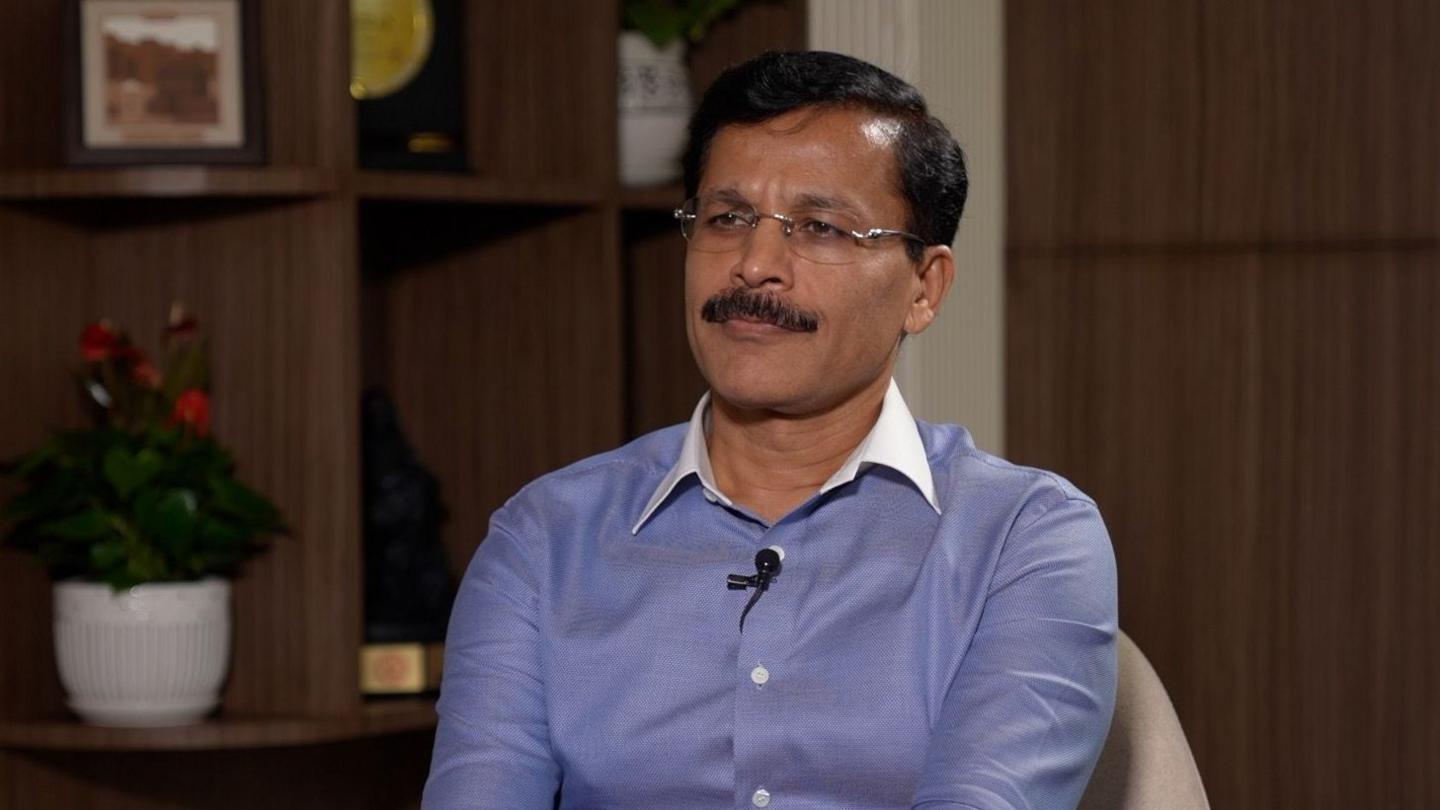
Branko Brkic – co‑organiser of World News Day and founder of South Africa’s Daily Maverick – says the media landscape has changed, but the core mission of professional journalism remains essential. He argues that rival organisations must collaborate: "The old days are not coming back. We need to form a new equilibrium, and the only way we can do it is that if we actually join forces."
Brkic warns that without a fundamental shift, the industry will become a collection of weak players at risk of being shut down. "If we continue like this, we’re just going to be weak individual players waiting to be taken out. If we don’t change something pretty fundamentally and pretty urgently, we’re just going to be roadkill," he said. He also stresses that misinformation and the term "fake news" are contested, but facts and truth remain indispensable. "We cannot function without a thing called the truth, without facts," he added.
Brkic’s remarks highlight the urgency for a united front in an information‑based society that is increasingly struggling to find reliable sources. The World News Day message is clear: trust in journalism matters, and the future of democratic societies depends on the ability of news outlets to adapt, collaborate and regain audience confidence.