
In brief
The mpox outbreak in the Democratic Republic of Congo is showing signs of decline with a drop in new cases reported at the Lwiro clinic after vaccination efforts commenced. However, experts caution that the situation remains critical, particularly for vulnerable populations such as children.
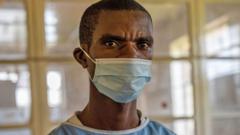
Medics at the forefront of the mpox outbreak in eastern Democratic Republic of Congo have reported a significant decrease in new infections, coinciding with the rollout of a vaccination program last month. According to Nurse Jackson Murhula from the Lwiro clinic, the facility is currently seeing only two or three cases daily compared to earlier rates of up to 15. The World Health Organization (WHO) confirmed that reported mpox cases appear to be "plateauing," although they stressed that it is premature to gauge the full impact of the vaccination efforts.The mpox virus, previously known as monkeypox, remains a highly contagious disease with an alarming toll, resulting in nearly 900 reported deaths in DR Congo this year. Health officials are set to determine the status of the outbreak in a critical meeting, weighing whether the condition should continue to be classified as a global public health emergency.When the BBC last visited the Lwiro clinic in September, the situation was dire, with overwhelmed facilities struggling under the weight of numerous patients. Recent visits have revealed a calmer environment. As Nurse Emmanuel Fikiri stated, "We can't have more than 60 patients in the hospital," underscoring the progress made since the vaccination campaign began, which has provided over 50,000 people with vaccines.Most troubling is the ongoing vulnerability of children, who make up about 30% of all mpox cases. With the WHO recently approving a vaccine for children from Japan, health officials are grappling with the challenge of reaching these young individuals, many of whom remain unvaccinated.While healthcare professionals are beginning to feel hopeful about the situation, Murhula warns that it's still early to declare victory. "We can't confirm that we've totally stabilized the disease," he stated, emphasizing the need for continuous vigilance. Among those receiving treatment currently is a three-year-old boy named Atukuzwe Banissa, whose severe symptoms have placed him in the care of the Lwiro clinic.Dr. Samuel Boland, the WHO incident manager, acknowledged the decline in cases but reiterated the continuing severity of the outbreak, emphasizing that more than 90% of global mpox-related deaths have occurred in DR Congo this year. "We're not out of the woods yet," he cautioned, affirming the necessity for ongoing interventions.As vaccination efforts expand to other regions in Africa, including neighboring countries like Rwanda, there is hope that continued efforts to strengthen surveillance and laboratory systems can lead to a further decline in cases by early next year. The WHO is closely examining current evidence before deciding on adjusting the global alert level, stressing the need for sustained efforts despite the positive trends.


