In brief
Fighters associated with the Allied Democratic Forces raided the village of Cantine in North Kivu, killing at least 33 people and destroying a health post that cared for Ebola patients. The raid forced 180 patients, including one confirmed Ebola case, to flee, raising concerns about a new outbreak as North Kivu already accounts for nearly half of all cases in the country’s current epidemic.
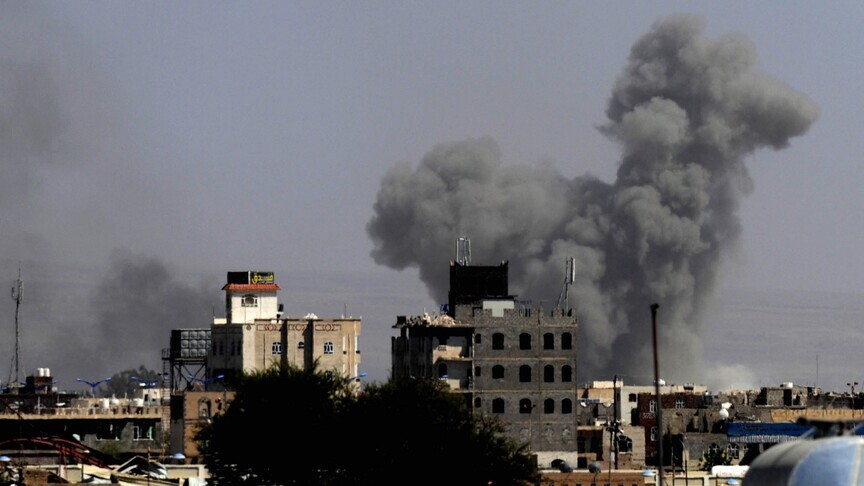
On the night of June 8, fighters linked to the Allied Democratic Forces (ADF), an Islamist group that pledged allegiance to ISIL in 2019, entered the village of Cantine in North Kivu, losing at least 33 civilian lives and setting more than 50 houses ablaze. The attack also set fire to the village’s only health post, forcing 180 patients — many suspected of having Ebola or confirmed cases — to evacuate. Local officials and civil society groups have blamed the ADF for the assault amid the Democratic Republic of Congo’s fast‑spreading Ebola outbreak.
Colonel Charles Omeonga, the Beni territorial administrator, told Reuters that “fighters with the Allied Democratic Forces set fire to several houses and killed civilians” during the overnight raid. He added that the violence disrupted the local health infrastructure, creating a dangerous gap in disease containment. The attack came minutes before the Ebola epidemic, now in its fifth year, had been declared by the World Health Organization as an emergency in eastern DRC.
Justin Paluku, head of a local civil society group, confirmed the casualty figures to the Associated Press, stating that “so far, we have counted 33 bodies and more than 50 houses set on fire, along with various other forms of material destruction.” Tchetche Aliamini, another community leader, supplied the same death toll to Reuters and noted that most victims “had gunshot wounds, while others were burned or hacked with machetes.”
Christian Kakule, medical director of the Kelekele Hospital Centre in Cantine, explained to Reuters that the hospital’s 180 patients, including a single confirmed Ebola case, were forced to leave the premises after the attack. He warned that “high‑risk contacts and other individuals under monitoring have all fled. Our concern is that when probable cases end up out in the open like this, they can become a source of transmission and trigger an outbreak of the disease.” The flames that engulfed the facility forced medical staff to abandon protocols for isolating suspected patients, raising fears that the violence could undermine the region’s Ebola response.
North Kivu presently accounts for almost half of all new infections in the country’s Bundibugyo outbreak, making it the second most affected province after Ituri. The province has had a long history of instability, hosting three previous Ebola outbreaks, including one that ran from 2018 to 2020 and was the DRC’s largest and deadliest event. The African Centre for Disease Control and Prevention (Africa CDC) has recorded more than 10,000 confirmed cases and 5,300 deaths across the DRC since the outbreak began.
At least 180 displaced patients fled Cantine during the raid, a figure that highlighted how attacks on civilian infrastructure can directly worsen public health crises. The displacement of suspected Ebola cases forced health workers to coordinate a rapid emergency response, redistributing patients to nearby facilities outside the life‑threatening area of the village. This scramble risked exposing new areas to the virus if infected individuals were not promptly isolated.
The ADF’s presence in eastern DRC masks a broader security challenge: multiple armed groups vie for control in the region, frequently targeting villages for resource extraction, intimidation, and fundraising. Local communities rely on loosely functioning militia protection, but the ADF’s links to ISIL signal an escalation in the group’s ideological orientation and operational reach. As the United Nations Office for the Coordination of Humanitarian Affairs (OCHA) notes, “modern insurgent groups increasingly adopt flexible tactics that simultaneously target population centers to reduce civilian resilience while expanding their strategic domains.”
In the wake of the Cantine raid, regional authorities have intensified security patrols around health facilities and communities east of Beni. The United Nations Mission in the Democratic Republic of Congo (MONUSCO) issued a statement urging all parties to respect civilian safety and preserve access to medical services. However, the limited resources available for policing roads and villages continue to leave many civilians vulnerable to sporadic outbreaks of violence that can impede disease control efforts.
Observers say that the ADF’s disregard for medical infrastructure violates international humanitarian law, particularly the principles of distinction and proportionality under the Geneva Conventions. Non‑governmental organizations working in North Kivu have called for an independent investigation into the incident, noting that “clearly, the attackers targeted a health post, a protected humanitarian space,” according to a local human rights advocate.
The violent assault on Cantine underscores that public health emergencies in conflict zones require more than medical resources: they demand robust protection of civilians, transparent governance, and accountability for armed actors who threaten both lives and life‑saving infrastructure. The outbreak’s trajectory could accelerate if the displacement of infected patients spreads the virus into new communities, or if ongoing violence continues to erode the fragile network of health facilities vital to containing Ebola in the DRC.