
In brief
The article explores Vladimir Putin's recent statements on a potential ceasefire in Ukraine, highlighting the conflicting demands and conditions that complicate the prospect for peace.
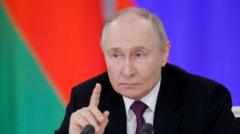
Russia's President Vladimir Putin has indicated a readiness for a ceasefire, but his comments reveal underlying complexities that may hinder any lasting resolution. Ahead of discussions with American officials in Moscow, Putin emphasized that while he agrees with the necessity to halt hostilities, any ceasefire must address what he views as the root causes of the conflict. For Putin, this includes Ukraine's aspirations for sovereignty and its NATO and EU ambitions, which he has persistently rejected.In his remarks, Putin pointed to a need for a cessation of Western military support for Ukraine, seeking binding assurances that military reinforcements would stop during any truce. This echoes his longstanding call for the demilitarization of Ukraine, a demand opposed by Kyiv and its allies. He questioned the feasibility of a mere 30-day cessation, concerned it would allow Ukrainian forces to regroup.Despite setbacks, Putin has presented a picture of confidence, asserting that Russian troops currently hold the strategic advantage, particularly in the Kursk region, which has seen increased activity. He remains skeptical that a temporary ceasefire would benefit Russia, arguing it might compromise their tactical edge on the battlefield.The Kremlin's stance clouds the potential for peacekeeping forces on the ground, with an emphasis on commitment to a final peace deal rather than a simple ceasefire. Putin's skepticism about mutual guarantees reinforces the notion that any pathway to peace will be fraught with conditions that seem unlikely to be met.In his discussions with U.S. representatives, notably Steve Witkoff, Putin hinted at the importance of direct dialogue with the American president, suggesting that clear communication could clarify Russia’s position. Yet, his framing of the ceasefire proposal reflects a broader strategy that appears more concerned with securing Russian interests than fostering peace in the region.As negotiations unfold, the challenges of reaching an agreement remain substantial, with Putin’s demands representing significant hurdles to any ceasefire discussions with Ukraine and its allies.
