In brief
Over 500 residents are slated to be evacuated from the Russian‑occupied town of Oleshky as Ukrainian authorities and international partners work through a temporary truce. A joint effort involving Ukrainian parliamentarians, a Russian human‑rights commissioner and support from the U.S. First Lady has forged the conditions for aid distribution and safe passage. The ceasefire, which ends at 10:59 p.m. Moscow time on Nov. 1, underscores the fragile balance between humanitarian needs and ongoing conflict.
On Friday, a Ukrainian delegation safely reached Oleshky, a frontline town on the left bank of the Dnieper River that has been under Russian control since February 2022, and began a large‑scale evacuation of residents as part of a temporary ceasefire that will end next evening.
The operation, coordinated by Parliament Commissioner for Human Rights Dmytro Lubinets, was made possible through an agreement with Russian Commissioner for Human Rights Yana Lantratova and the logistical support of U.S. First Lady Melania Trump, according to Lubinets’ statements on the delegation’s mission.
David Arakhamia, chairman of Ukraine’s Servant of the People parliamentary faction, announced on the messaging platform Telegram that the ceasefire remained in effect and that “further details will follow.”
"The ceasefire remains in effect. Further details will follow,"
Arakhamia’s brief comment came after Prime Minister Sergii Koretskyi announced that 527 people were expected to return to Ukrainian‑controlled territory. Koretskyi, citing the Interfax‑Ukraine news agency, said the evacuees would cross from Belarus, undergo medical examinations, receive initial care, and be given essential supplies and accommodation upon arrival.
With roughly 2,000 people remaining in Oleshky, the town faces a humanitarian crisis marked by shortages of food, medicine and other critical supplies amid ongoing fighting, official Ukrainian sources say. The evacuation is part of a broader humanitarian mission that followed the signing of a temporary ceasefire agreement designed to facilitate aid deliveries and civilian evacuations.
The ceasefire, whose end time is set for 10:59 p.m. Moscow time (1959 GMT) on Nov. 1, has been confirmed by the Russian side, adding a narrow window for evacuations and aid deliveries before hostilities resume.
Parliamentary officials note that the evacuation order is a direct application of international humanitarian law, which obliges occupying powers to allow civilians to leave conflict zones safely. The Ukrainian delegation’s entry into Oleshky and subsequent movement of evacuees is a form of state enforcement of civil rights and public accountability.
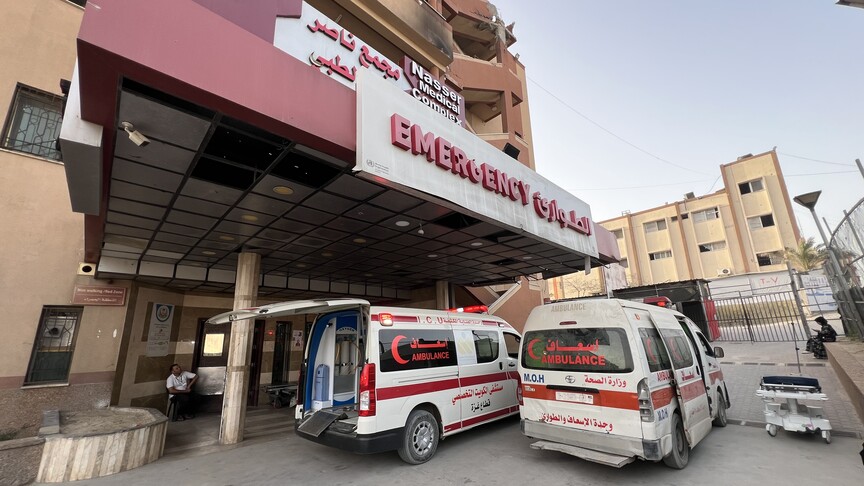
Emergency medical teams arrived alongside the delegation and announced a plan for on‑the‑spot triage and transport to health facilities in Ukraine. Basic necessities such as blankets, potable water and non‑perishable food were distributed in coordination with local relief agencies.
In addition to the physical logistics, officials highlighted the importance of documenting each evacuee’s identity and health status. This record‑keeping is vital for future transparency, ensuring that evacuees can be tracked for reconstruction aid and potential restitution claims under Ukrainian law.
The role of the Russian Commissioner for Human Rights in the ceasefire agreement illustrates a rare instance of bilateral engagement on civil‑rights issues during the conflict. The collaboration indicates a mutual acknowledgment of the humanitarian stakes, even in the midst of broader strategic disputes.
The involvement of U.S. First Lady Melania Trump, who has previously expressed concern about the humanitarian crisis in Ukraine, underscores international attention to civilian welfare in occupied territories. Her coordination support was reportedly logistical, helping to align international aid agencies on the ground.
All parties acknowledge that the humanitarian operation depends on the strict observance of the ceasefire terms. A breach could halt aid flows and jeopardize thousands of civilians’ safety. Consequently, Ukrainian officials have urged the Russian authorities to adhere fully to the agreed timetable up to the ceasefire’s expiration.
Back in Ukraine, the government has set up a dedicated reception and care center for evacuees in Kherson. This center will host medical examinations, provide immediate psychological support, and offer temporary housing until families can move to longer‑term accommodations.
Interpol‑Ukraine, though not directly involved in the logistics, reports that Ukrainian intelligence is monitoring for any attempts by armed groups to disrupt the evacuation. The intelligence reports are intended to support the legal framework that protects civilian movements during armed conflict.
For residents, the evacuation operation presents both an opportunity and a challenge. While it offers an escape from immediate danger and a chance at medical care, they will face a temporary disruption of their community ties and uncertainty about returning home after hostilities end.
The legal implications of evacuees returning to Ukrainian-controlled territory are still being clarified. Ukrainian courts are expected to issue directives on property rights for those displaced, ensuring that homes left behind during the occupation are protected.
Official statements also emphasize that these efforts are a precursory step to broader reconstruction plans for Kherson. Demonstrating that civil‑rights advocacy and international cooperation can secure a temporary respite for civilians could bolster Ukrainian calls for accountability in occupied regions.
Overall, the evacuation of Oleshky symbolizes an intersection between wartime humanitarian practice, international law, and domestic responsibility: Ukraine’s institutions, from parliament to health agencies, are mobilizing to meet the needs of their population while navigating the legal and political constraints of an ongoing armed conflict.