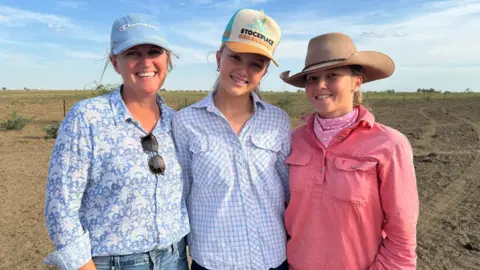
School is out for the year, but the summer holidays aren't exactly a break for 15-year-old Breanna Easton - that is when she's hard at work mustering cattle on the family's station.
It's the freedom, the space you have to move, Breanna says, listing all the things she loves about her life, 1,600km north-east of Brisbane in Australia's sparsely-populated outback.
With grazier parents and grandparents, the industry runs in her blood. The vast hinterland is her own backyard.
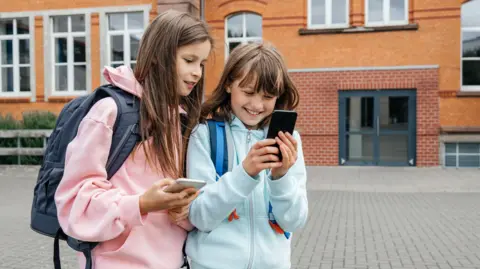
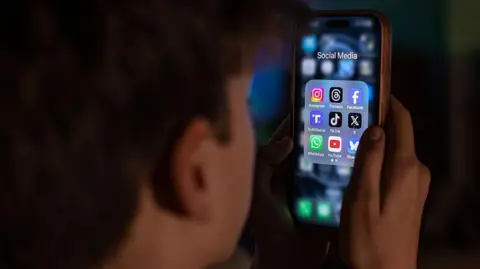
And yet, like most teenagers, she's also attached to her smartphone.
The all-terrain buggy she uses to herd cattle is fitted with an internet extender, enabling her to message friends on Snapchat while working. On days she gets a little bored, she likes to make funny TikTok videos with her siblings.
With nearly all her friends living at least 100km away, social media is a lifeline. But not anymore, now that Australia's social media ban for children has taken effect.
Taking away our socials is just taking away how we talk to each other, Breanna says.
While she can still text her friends, it's not the same as a quick snap or a like on a photo that allows her to play a part in their lives even when she is far away.
Throughout, supporters of the ban argue it's for the wellbeing of children, who they say are spending too much time online and risk being exposed to uncontrolled pressures, bullying, and predators.
Opponents argue that restricting children's access to the internet might push them to less regulated corners and question the effectiveness of the technology to verify age.
As the debate rages on, millions of children under 16 like Breanna are now cut off from social media, highlighting the ongoing tension between safety and connection in the digital world.