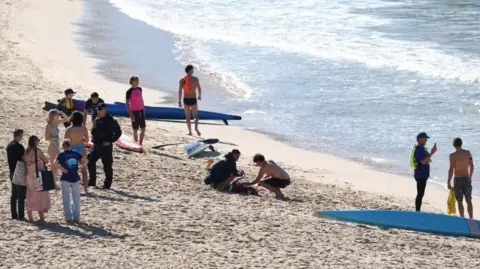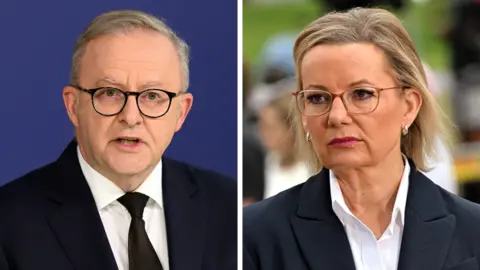
On a planned day of mourning for the victims of December's Bondi Beach shootings, political tensions erupted into public view, overshadowing the intended tributes and calls for kindness. Instead of unity, the day witnessed the collapse of the opposition coalition and heated disputes among leaders.
The Bondi tragedy resulted in the killing of 15 individuals, including a young child, during a celebration of Hanukkah, igniting a tumult of finger-pointing among political figures. Malcolm Farr, a seasoned political analyst, criticized the timing of the debates surrounding reforms linked to the shooting as 'unfortunate' and indicative of self-indulgence.
In the chaos following the attack, criticisms of Prime Minister Anthony Albanese emerged over his alleged disregard for Jewish Australians' concerns, contributing to a growing feeling of betrayal among the community.
While families of victims sought solace, many politicians turned to blameshifting, with some leaders leveraged the attack to challenge immigration policies. This politicization intensified the atmosphere generally marked by division, fueled further by the recent conflict between Israel and Hamas.
Notably, repeated calls for consolidated actions against antisemitism have emerged post-shooting, yet debates continue around the proposed hate speech laws. Critics argue such measures risk impeding free speech while failing to address broader minority protections.
The political landscape is further strained as the opposition coalition crumbles, with the National Party withdrawing support from the Liberal Party, citing dissatisfaction over proposed legislation. Overall, the aftermath of the Bondi tragedy has left Australians grappling with an increasingly divisive political climate, further eroding public trust in their leaders.