In brief
Zimbabwean author Simbarashe Kundizeza has publicly denied using artificial intelligence to write his Caine Prize‑winning short story, "The Blue Fighter." The claim follows a recent article in The Atlantic that cited AI‑detection software Pangram as evidence of full AI authorship. While Kundizeza maintains a documented creative process, the controversy has highlighted broader concerns about the reliability of AI‑detectors and the potential bias against Black writers. Caine Prize chair Ellah Wakatama called for thorough investigation and cautioned against hasty judgment, while other writers and industry observers weigh in on the fairness and accuracy of such tools.
Zimbabwean author denies using AI to write award‑winning story
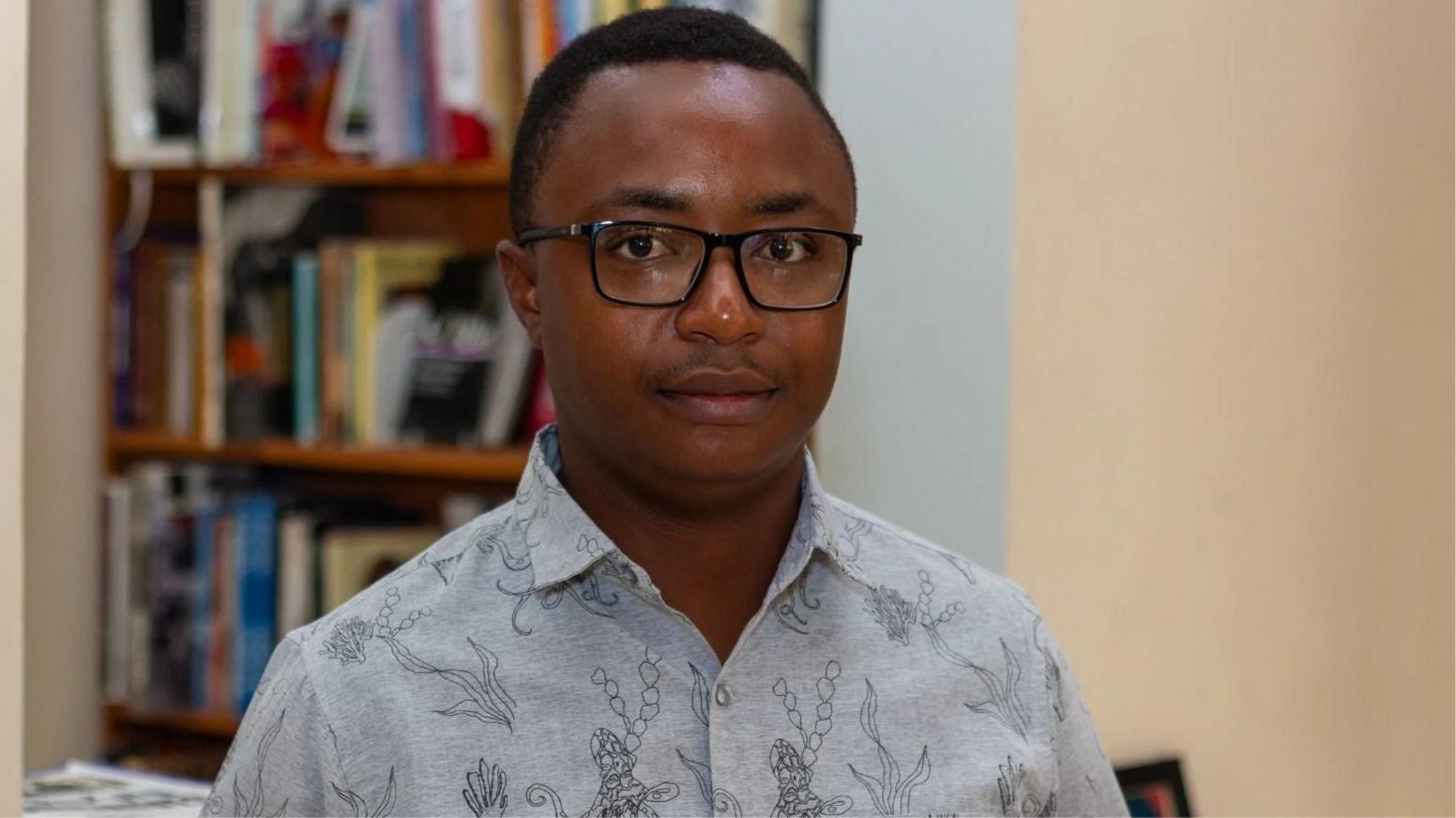
Zimbabwean writer Simbarashe Kundizeza has denied using artificial intelligence (AI) to write his short story, which won this year’s Caine Prize for African Writing.
His statement comes a week after he scooped the £10,000 ($13,000) award and a recent article in The Atlantic said AI‑detection software Pangram had shown his work about a boy whose family falls on hard times was entirely AI generated.
For the avoidance of doubt, I wrote The Blue Fighter, he posted on X. Link
The accusation sparked a rapid backlash on social media. Caine Prize chair Ellah Wakatama told the BBC that it was shocking the US magazine had not waited for a full investigation before publishing.
Wakatama said she had been contacted on Friday and that Vauhini Vara’s article had been published the following Sunday. She added that Wakatama hoped for a thorough internal review, noting that the prize’s submissions are all previously published works.
The controversy fits into a wider pattern of AI allegations against recent prize winners, including the Commonwealth Short Story Prize and a controversy over a French literary award.
Vara has defended Pangram, saying its research shows the tool is rarely wrong, but she acknowledged that it is not 100% accurate and should be just an initial flag for further investigation.
The backlash has also turned to a discussion about race, with Nigerian founder Wale Lawal calling the Atlantic article “crazy, racist and wildly unethical.” Zimbabwean writer Joe Ruzvidzo backed Kundizeza, calling for a fight against this “literary stop‑and‑frisk.”
In his statement, Kundizeza outlined a concrete, documented history of inspiration and development for the story, which began with a poem about fish tanks that inspired him to weave his own family narrative.
Wakatama added that customers would receive Kundizeza’s drafts for review and that the board was using the competition’s guidelines to ensure authorial integrity. She also noted that the prize has never required AI checks for entries.
The case raises wider questions about the role of AI detectors in literary contests and the potential for bias against Black and non‑native English writers. It also questions whether a single, software‑based evaluation can definitively determine authorship.
Kundizeza affirmed that he intends to continue writing, while broader literary communities call for more nuanced, human‑led reviews of AI‑related claims.