In brief
The introduction of rap lyrics as evidence in court has sparked significant debate, particularly regarding racial bias against Black defendants. James Broadnax's trial showcases how such lyrics can be misinterpreted as autobiographical confessions rather than artistic expression. This practice, which disproportionately affects young men of color, raises critical questions about the role of artistry in judicial proceedings. Legal experts and artists alike warn of the implications and biases inherent in equating rap with real-life actions, while new legislative efforts seek to limit the use of creative works like song lyrics in criminal trials.
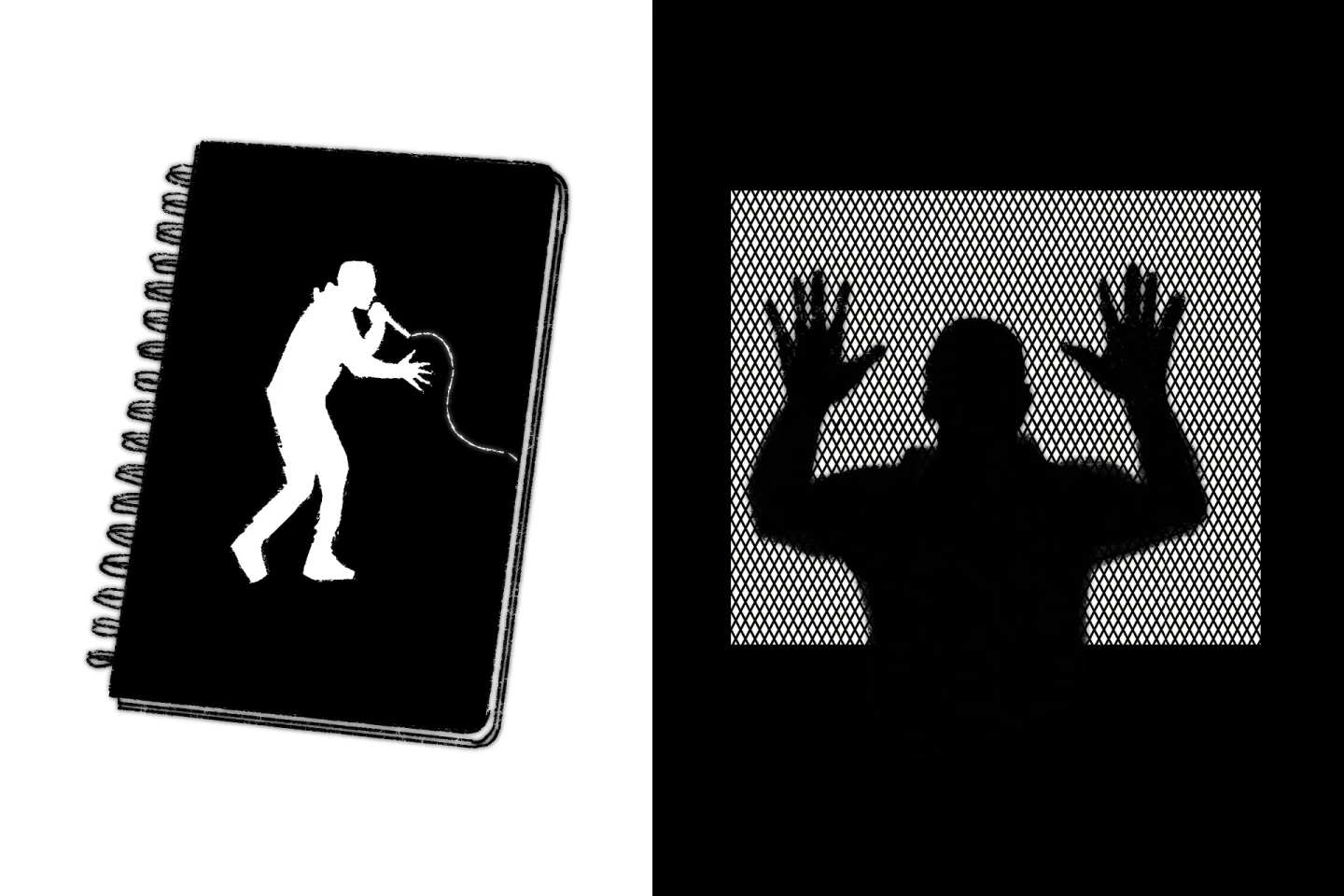
In a move that has drawn scrutiny, prosecutors in Texas are using rap lyrics as evidence in capital murder trials, claiming they reflect the defendant's gang involvement and violent tendencies. James Broadnax, a 19-year-old charged with a double homicide, has found himself in a precarious position as lyrics he penned are portrayed not as expressions of art but as confessions, suggesting a grave bias influenced by negative racial stereotypes.
Critics argue that framing rap lyrics as autobiographical undermines their artistic merit and caters to prejudices against Black youths. Erik Nielson, a leading voice in the advocacy against such practices, noted, It denies rap music the status of art and instead minimizes it as mere autobiography, speaking to harmful assumptions about young men of color.
Rap lyrics have been pivotal in numerous criminal cases across the U.S. over the last five decades, with critics claiming that judges often dismiss other forms of creative expression as evidence. This inequity raises alarming questions regarding the selective use of artistic works in court and the implications of this bias on juries.
Broadnax's case emphasizes the pressing need for judicial reform. His attorneys contend that the introduction of his rap lyrics played a crucial role in the jury's decision, perpetuating racist stereotypes while undermining his defense. As he awaits execution, the debate intensifies over the admissibility of creative works in legal proceedings.
Furthermore, several high-profile rappers and legal scholars have begun advocating for legislative measures to protect artistic expressions. Maryland recently passed a bill aimed at restricting the use of a defendant's artistic works in court, a significant step in the ongoing fight against the exploitation of rap as an incriminating tool.
As discussions surrounding the intersection of music, race, and law continue, the call for justice and fairness in legal interpretations of artistry becomes ever more urgent.