
In brief
Bulgarian parliamentarian Petar Vitanov announced that the 2027 budget will be presented on Friday following its October 15 submission to the European Commission. The proposed increase in the VAT registration threshold to €70,000 has sparked EU objections, while the government assures that heating and power prices will not rise. The announcement comes in the wake of Bulgaria’s first female president’s historic election and ongoing negotiations over Supreme Judicial Council candidates.
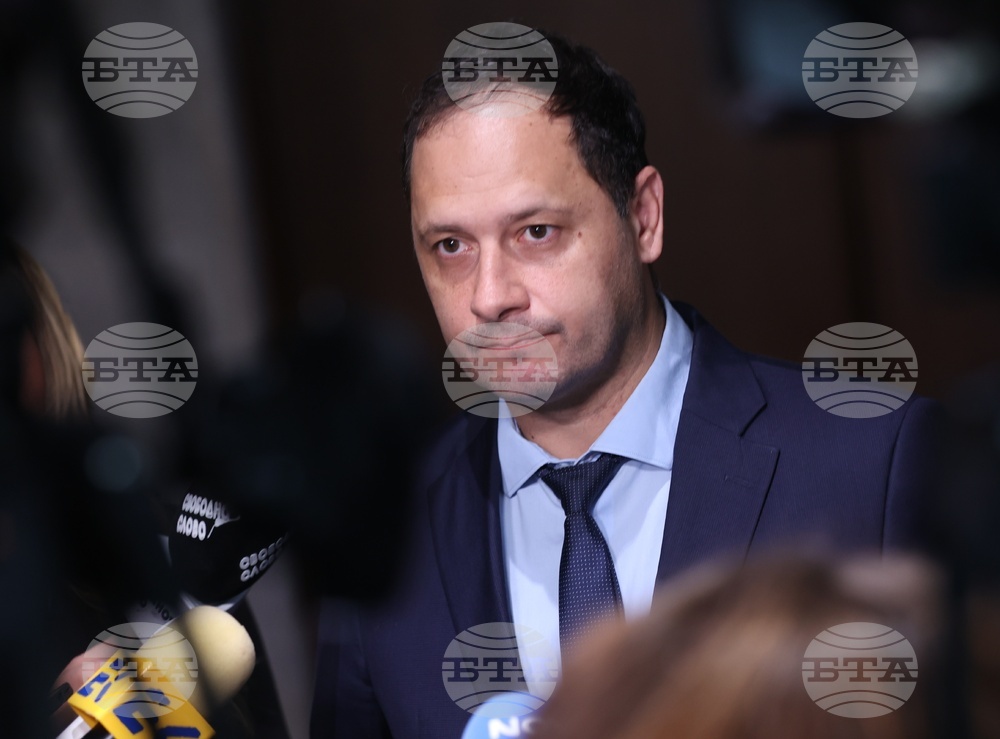
Bulgarian National Television aired a statement from Petar Vitanov, leader of the parliamentary group Progressive Bulgaria, announcing that the government will present its draft budget for 2027 to parliament this Friday. The budget had been filed with the European Commission on October 15, and negotiations with Brussels will continue while the lawmaker assures voters that the timing is not delayed by the presidential campaign.
Vitanov reiterated that the country’s fiscal deficit remains a bargaining chip in talks with EU institutions. He cited a 4.2 % shortfall for 2025—a figure that keeps Bulgaria under the EU’s excessive deficit procedure, which was reinstated earlier this year.
The centerpiece of the proposed draft is a planned hike in the VAT registration threshold from €50,000 to €70,000. Vitanov warned that Brussels has expressed objections to the measure, arguing that a higher threshold would erode state revenue. The Commission’s priority, according to the MP, is to curb deficits while still sustaining social spending.
In related fiscal policy decisions, Vitanov assured that neither district heating nor electricity prices would be increased, despite a European trend of rising natural gas costs. The minister highlighted efforts to tap reserves and explore mechanisms to mitigate the gas price surge.
When asked about the recent presidential election, Vitanov congratulated Iliana Iotova on becoming Bulgaria’s first female president. He noted that the presidential run had generated a “confidence vote” that boosted political momentum between the first and second rounds of the election.
Vitanov also spoke on the composition of the Supreme Judicial Council (SJC). He said his party has put forward twelve candidates for the council, underscoring a willingness to accept members nominated by other parties. He added that most of these nominees were expected to secure positions, signalling an attempt at broader consensus on the judiciary.
Petar Vitanov explained that the government’s negotiating position with the European Commission reflects the Commission’s broader stance of minimizing spending, especially on social programs. In a statement to BTA, he said, “The Commission wants to reduce the budget to a level that supports citizens without increasing borrowing.”
The recent parliamentary session also touched on energy security. The MP described the natural gas price hike as “a trend across Europe” and emphasized that Bulgaria is exploring “all possible reserves” to offset the impact on households and businesses.
As the fiscal debate approaches, the context of the national election and the historic appointment of a female president provide a backdrop of democratic renewal. The budget will be a test of how the new administration balances domestic priorities with compliance to EU fiscal rules.
Following the budget’s presentation, parliament will vote on the decree, after which further amendments may be made. If the budget passes, it will set the financial framework for public spending, taxation, and welfare programs for the upcoming year, directly affecting citizens, businesses, and public institutions across all regions of the country.


