In brief
On 31 October, torrential rain caused flash floods in Syria’s eastern provinces, killing seven people, five of whom were children, and injuring another seven. Four remain missing as rescue teams work through damaged infrastructure. The flooding has devastated Raqqa, Deir al‑Zor, Hasakah and parts of Aleppo, displacing families, closing roads and forcing schools and camps to evacuate.
On Saturday, 31 October 2026, flash floods triggered by heavy rains swept across eastern Syria, claiming seven lives — five children and a driver who died in a traffic accident — and leaving seven others injured, according to a report from the state news agency SANA. Four people are still missing as rescue teams comb flooded streets, the Emergency and Disaster Management Minister Raed al‑Saleh told observers in a statement posted on X.
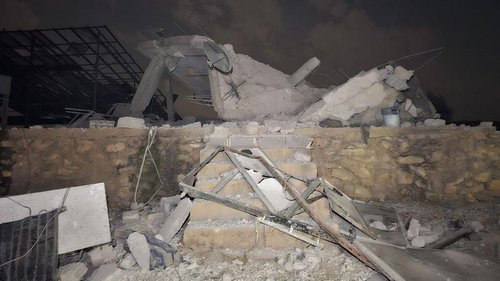
The deluge struck the provinces of Raqqa, Deir al‑Zor and Hasakah, and extended into parts of Aleppo, breaching riverbanks, flooding residential areas and severing vital transport routes. Infrastructure damage has compounded the humanitarian crisis, cutting off roads that connect isolated communities to relief centres and forcing families to abandon their homes in the face of rising waters.
Minister Raed al‑Saleh briefed the public on the scale of the emergency response: since the storm began, Syria’s civil defence units have executed more than 550 emergency operations, rescued 60 people trapped by floodwater and responded to over 900 distress calls. These operations have included the evacuation of more than 350 students from two schools and the relocation of 375 families out of camps in Raqqa province.
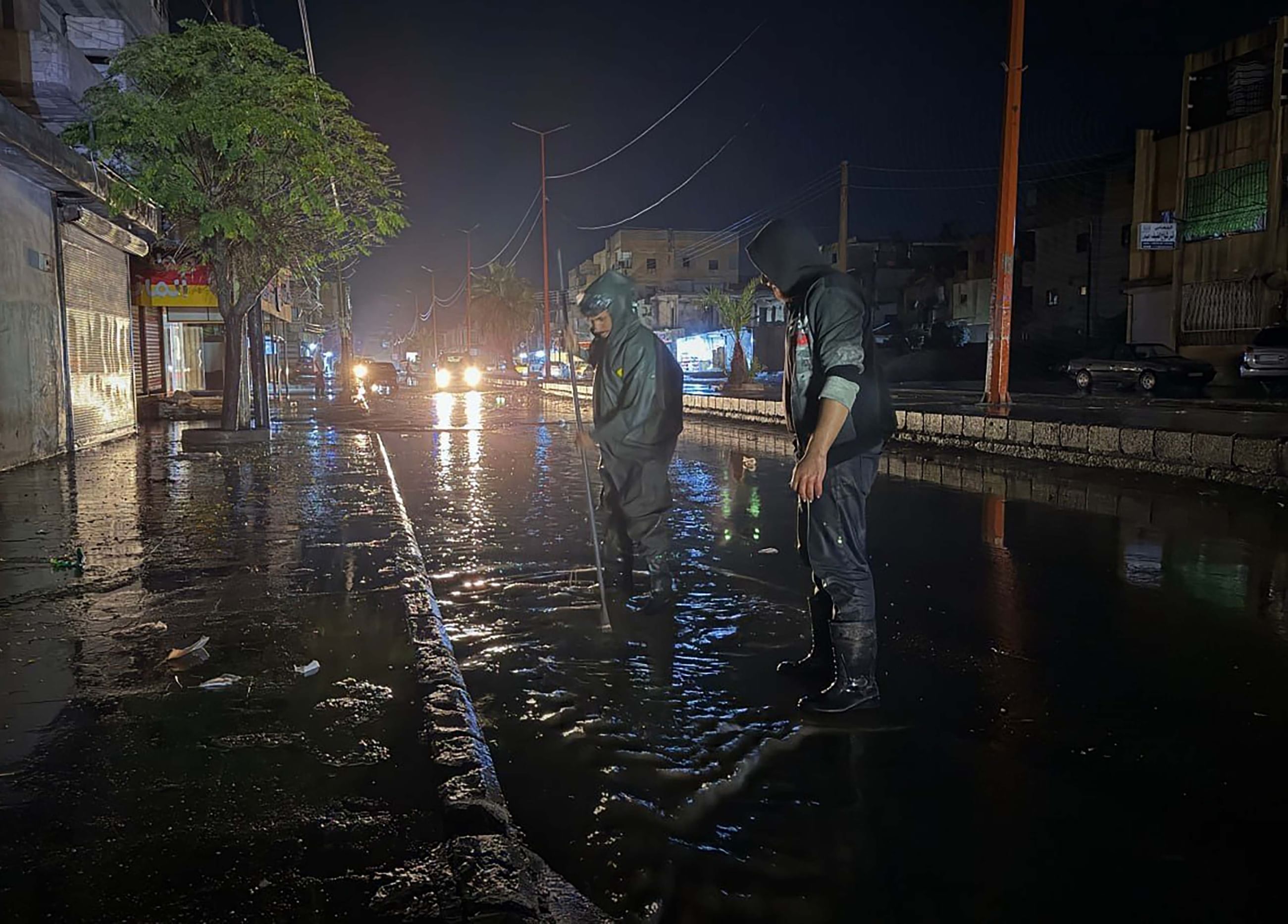
Additional sorties targeted refugee camps in rural Aleppo and Idlib, where floodwaters inundated communal shelters. Rescue teams also pumped water out of roughly 250 homes and public structures, clearing access for delivery teams and restoring basic utilities in pockets of affected villages.
While the immediate loss of life is the most visible consequence, the broader civic stakes are deeper. Families displaced from their homes face uncertainty about shelter, food security and health care, while schools that were temporarily relocated have lost several days of instruction. In rural Aleppo and Idlib, camps that previously housed seasonal refugees have been flooded, placing the vulnerable populations they shelter in further peril.
The ongoing search for the four missing persons underscores the continued danger in flood‑prone zones. Local authorities have urged residents to remain vigilant, as secondary flooding from upstream rivers threatens to widen the damaged area. Community volunteers, working alongside national civil defence, have been carrying out search-and-rescue shifts during daylight and night, illustrating an expanded role for civilian involvement in disaster mitigation.
Massive Rescue Efforts and Community Response
In the days following the disaster, coordinated efforts from the Emergency and Disaster Management Ministry and civil defence teams have led to numerous rescues and evacuations. Beyond government resources, local civic groups have mobilized to assist with logistics, including transportation of supplies and distribution of first‑aid kits, demonstrating a community‑driven response to the crisis.
Officials have highlighted the importance of maintaining clear communication channels, noting that residents can expect to receive updates on flood levels and road conditions through official postings on X and local radio broadcasts. The government’s strategy includes restoring critical infrastructure, such as bridges and drainage systems, to mitigate future flood risks.
Reports from the field suggest that the region’s meteorological patterns have become increasingly volatile, with heavy rain and super‑cell thunderstorms recorded since Tuesday, further stressing the need for long‑term adaptation measures. The heightened weather instability, combined with the heavy rains of 31 October, has underscored vulnerabilities in the province’s flood defence architecture.
Looking forward, government officials and community leaders emphasize the necessity of safeguarding residents’ livelihoods and restoring confidence in public institutions after such a disaster. As the initial emergency phase subsides, attention is turning toward reconstruction, the return of displaced families, and the strengthening of civil infrastructure to reduce the impact of similar events in the future.