In brief
With a backdrop of historical tensions from the 2008 war, Georgia faces a crucial election that could determine its future alignment between Europe and Russia. The opposition seeks to end the ruling Georgian Dream party's influence, which they claim is steering the nation back towards Moscow, while the government defends its stance as promoting peace. Many Georgians remain hopeful for EU membership despite recent legislative setbacks.
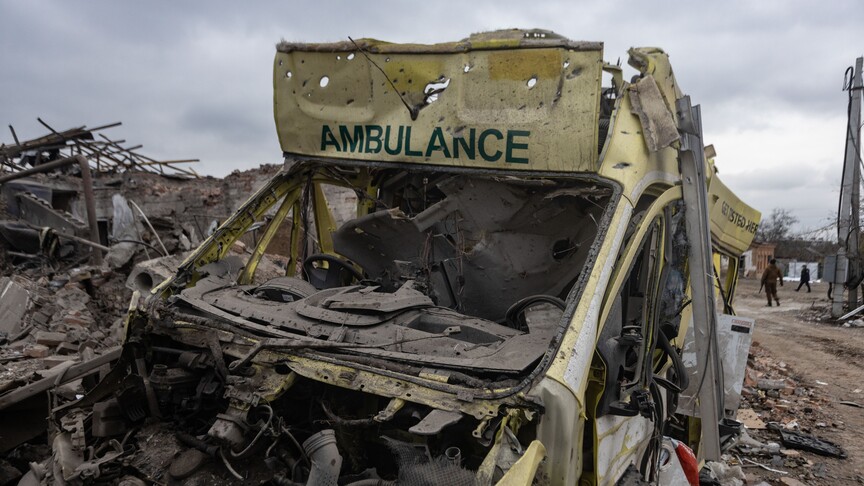
Georgia stands at a crossroads as it prepares for a significant election that could change the course of its history. The country, still haunted by memories of the 2008 war with Russia, is wrestling with a decision that some believe pits the future of the nation against the shadow of its past. Opposition groups are rallying voters, framing the election as a clear choice: the path toward European Union integration or a return to Russian influence.The ongoing conflict in Ukraine has reinvigorated discussions about national identity and foreign alliances in Georgia. As opposition leaders campaign vigorously against the incumbents from the Georgian Dream party, they assert that years of governance under this party have led to a dangerous drift towards Russia, a narrative that resonates deeply in areas like Gori, a city that suffered during past incursions.Mindia Goderdzishvili, a campaign leader for the Coalition for Change in Gori, reflects the sentiment of many locals who remember the devastation of Russian attacks. "These streets were filled with Russian troops," he explains, highlighting how the government exploits that painful history to solidify its grip on power.In contrast, the ruling Georgian Dream party, spearheaded by influential billionaire Bidzina Ivanishvili, argues against the opposition's portrayal, claiming their approach is one of peace and stability. Ivanishvili pledges continued progress toward EU membership, despite an uphill battle following the EU's decision to freeze accession talks due to controversial domestic laws targeting foreign influence and LGBT rights.Amid these competing narratives, polls suggest a significant majority of Georgians—around 80%—still favor EU integration. This widespread support is echoed by President Salome Zourabichvili, who has openly encouraged voters to rally behind the opposition.As the election day approaches, Ivanishvili’s campaign focuses on criticizing the United National Movement (UNM), Georgia’s largest opposition party, and its founder, Mikheil Saakashvili, who remains imprisoned. The ruling party’s electoral strategy seems aimed at disenfranchising opposition voices and retaining its hold on power through any means necessary.With rising concerns about election integrity and voting security, citizens are left questioning whether their voices will truly be heard on this pivotal day. The looming Russian threat and historical injustices create a powerful backdrop for voters in towns like Shindisi, where the effects of geopolitics are felt acutely.While some remnants of Soviet nostalgia exist, a growing consensus among Georgia's populace is emerging: the longing for EU integration and the rejection of Moscow’s influence could determine not only their national identity but also their place on the global stage.